Court kills Texas law labeling explicit books for schools. What now for parents? | Opinion
Many concerned Texas parents wanted a way to label inappropriate books in their kids’ school libraries or classrooms. To this parent of four, this makes sense. The Legislature devised a bill that would create such a system, but a federal appeals court just blocked Texas from enforcing it. This also makes sense.
The 5th U.S. Circuit Court of Appeals on Wednesday blocked the Texas Education Agency from enforcing the READER Act, a state law that would have required booksellers to rate books’ sexually explicit content before selling them to schools. This decision is particularly interesting because it comes from one of the most conservative courts in the country.
Several booksellers in Houston and Austin originally sued the state, saying the law violated their First Amendment rights. The appellate court was affirming a lower court’s decision.
While the Legislature may have meant well, the law was drafted poorly and really had no chance of being properly implemented. It would have required vendors to sift through every book to rate them based on explicit material, a subjective concept to be sure. Then, booksellers would have had to send those to the Texas Education Agency to be reviewed where those officials would correct them — based on more subjective measures — and post them online. The booksellers argued that the rating system violates free speech protections and is tantamount to the government compelling speech, a no-no in First Amendment law.
Parents and conservatives in Texas may not like this, but First Amendment protections apply to everyone, including people with opposing viewpoints. A controversial Supreme Court case demonstrates this well. In 2019, Jack Phillips, a baker who creates custom cakes, won a Supreme Court case. The court found that it was unconstitutional for the state of Colorado to compel Phillips to create a specific kind of cake (which the court viewed as “speech”) honoring a specific kind of wedding because of his religious convictions about celebrating same-sex weddings.
Conservatives lauded this case and similar ones with similar conclusions for years because they cemented the right against compelled speech and protections of religious conviction. The appellate court’s decision on book ratings is similar: Even though Texans want a way to identify explicit books in schools for kids, creating an undue burden on booksellers and forcing them to label their books by content does violate their First Amendment rights.
Such protections for some but not all regardless of ideology, party, or persuasion, are no rights at all. So, it’s good that even a more “conservative” court recognizes this. It means that everybody’s First Amendment rights are intact and that our laws are working this time — they don’t always, which is why the Supreme Court exists.
However, it does leave parents wondering how to handle the issue of books with explicit content in schools. Legislators need to continue listening to their constituents and working with school leaders to come to a solution that is both constitutional and practical. They can start with a renewed resolution not to make a big deal passing laws that aren’t functional or constitutional in the first place.
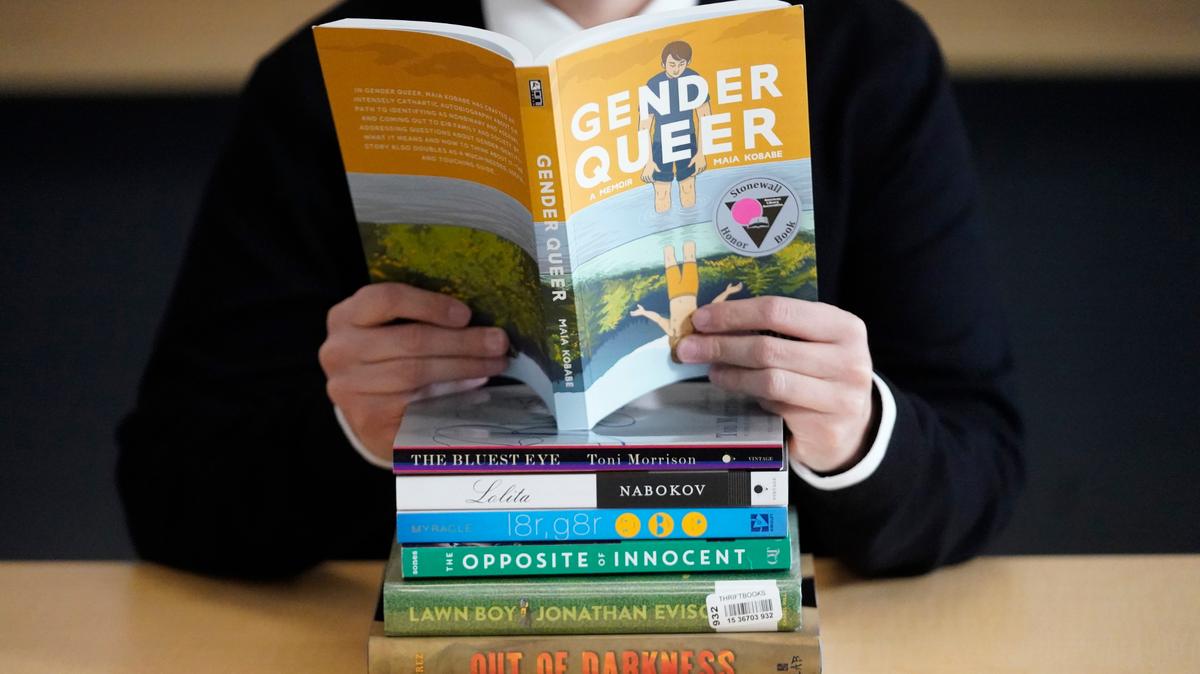
For the past few years, there’s been an ongoing debate about whether and how schools should police inappropriate content. It’s led to parents voicing concerns in school meetings and sexually explicit books being removed from school libraries. It’s even led to national media outlets saying Texas just bans all the good books. (I hate to disappoint folks, but a book is not really banned if it’s available on Amazon.)
For now, until a legislative solution — if there is one — is crafted, parents and kids might have to do things the old-fashioned way: Parents need to remain involved in their kids’ education and ask children, librarians and school administrators what’s available at school, what their kids are reading and why.