Obama’s ‘book ban’ talk ignores that some content just isn’t fit for children | Opinion
The book debate has continued in Fort Worth schools — but should it?
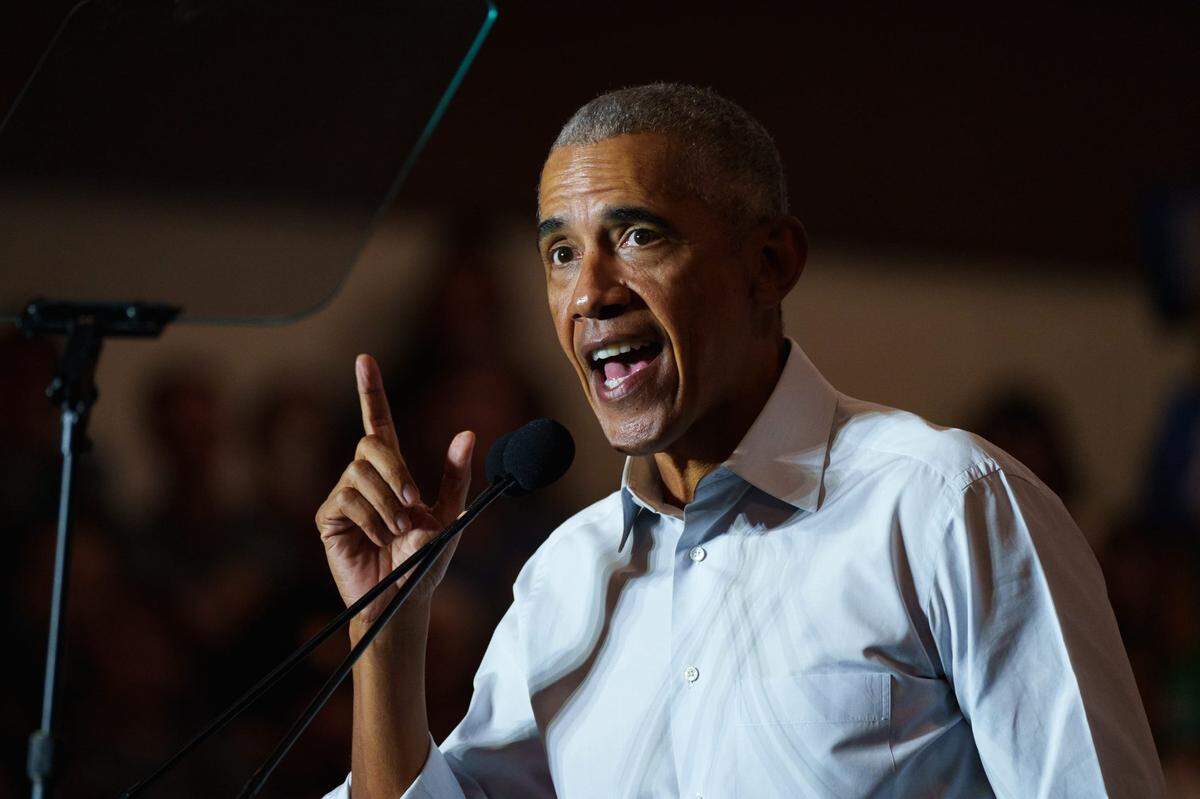
Ahead of releasing his much-anticipated summer reading list, former President Barack Obama tweeted a statement about controversial books. “Today, some of the books that shaped my life — and the lives of so many others — are being challenged by people who disagree with certain ideas or perspectives,” he said. “And librarians are on the front lines, fighting every day to make the widest possible range of viewpoints, opinions, and ideas available to everyone.
“In any democracy, the free exchange of ideas is an important part of making sure that citizens are informed, engaged, and like their perspectives matter,” the statement read.
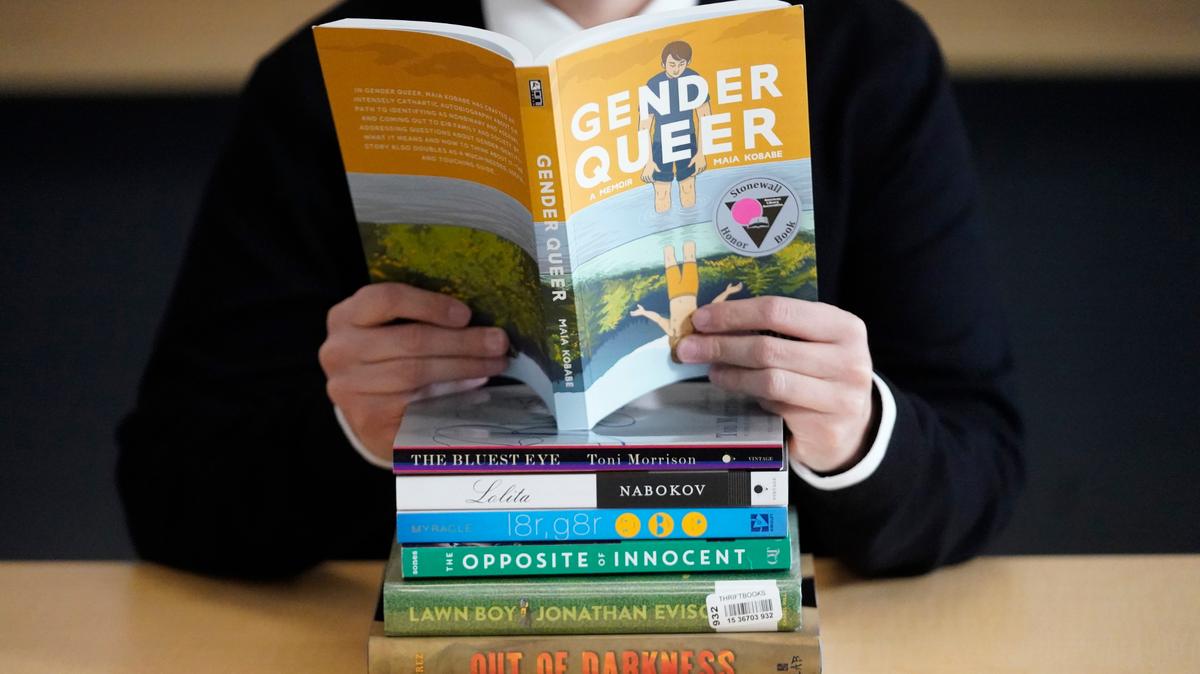
Obama’s comments are interesting in light of the debate over some books in Texas. Just last week, Fort Worth Independent School District officials announced they would remove three titles from some school libraries: “Gender Queer: A Memoir” by Maia Kobabe, “Flamer” by Mike Curato and “Wait What? A Comic Book Guide to Relationships, Bodies, and Growing Up” by Heather Corinna. At least two of the books, “Wait, What” and “Gender Queer” were available in elementary and middle schools, respectively.
All three had graphic depictions of sex or genitalia. The district will move them to a professional learning catalog, where only staff can get to them. District officials decided that the titles were not appropriate for elementary and middle school library collections.
This came as an account on social media called “Libs of TikTok” exposed the fact that the titles were available to younger kids.
The book called “It Feels Good to Be Yourself: a Book about Gender Identity,” is located in a handful of Fort Worth ISD elementary schools. Here’s a passage:
“This is Ruthie. She’s a transgender girl. That means when she was born, everyone thought she was a boy. Until she grew a little older-old enough to tell everyone that she’s actually a girl. Girl is Ruthie’s gender identity
“This is Ruthie’s brother, Xavier. Xavier is a cisgender boy. That means when Xavier was born, everyone thought he was a boy, and as he grew older, it turned out everyone was right — he is a boy. Boy is Xavier’s gender identity.”
Obama says that books are so powerful, librarians are akin to soldiers on the front lines of a battlefield. Good literature often does leave a strong, positive imprint on a young person’s malleable mind. Some adults may remember a book, or a handful of them, far better than a class they took in middle school.
But this is also why parents tend to want to safeguard the minds of their children by gatekeeping what their kids are consuming in terms of books, curriculum, entertainment, video games, films, music and more. Adults inherently know how much what we consume can affect, inform, enlighten or sadden us. So why, when it comes to children, do some shrug their shoulders?
In general, books should never be truly eradicated from the public sphere — not in America. But Obama is misinformed when it comes to who should participate in a free exchange of ideas. Not all subject matter is appropriate for kids. Do we really want small children to see books that explicitly convey — without the consent of their parents — that they can’t trust their own chromosomes and genitalia? That perhaps, maybe, because a small fraction of the population identifies as a different gender, maybe they do, too?
Most kids don’t care or think about gender and sexuality until they are pre-teens. Why are some so keen to plant these seeds with 7-year-olds learning to read?
Let’s not pull any punches and pretend literature doesn’t matter. It cannot matter when it’s about to be “banned” and then, when it’s on a school library shelf, be deemed somewhat irrelevant.
But it’s not the only discussion worth having when it comes to reading. Yes, the cultural issues represented in books are vital, but so is basic education: Reading, writing, mathematics, history, science. It should lay the foundation for the discussion on book content. Who cares what’s in books when kids can hardly read at their level?
U.S. kids have lagged on vital education scores now when compared to our global peers for years. It’s embarrassing. It’s sad. It threatens the future of the United States’ place in the world. The U.S. aims to be the wealthiest, and the most free, and boast the best military, but when it comes to education, we’re just going to accept mediocrity?
Obama was right about how powerful books are, but not all books send the right message to young, impressionable minds. Parents should know about these and act accordingly. It’s not a “book ban” if the material is readily available on Amazon or in local libraries.
But the larger discussion we should be having is about the quality of education our children receive. If they struggle to learn, then as adults, they won’t enjoy books at all,whether the message is controversial or not.