The Taliban’s human rights violations against women are an alarming message to us all
For the last year, the Taliban regime has systematically stripped Afghan women and girls of any rights, making them second-class citizens, invisible in society. The tactics offer painful lessons in abuse of power, our role in Afghanistan and even women’s rights in America.
Just this week, the Taliban announced that female students can no longer receive a university education, a brutal blow to women and girls who hope to expand their horizons. In March, the Taliban barred girls from going to secondary schools, meaning now that the highest education a female can reach in Afghanistan is primary school. Last month, women were limited from going to amusement parks in Kabul.
The Taliban’s move to ban females from high school and universities is a tragic violation of human rights and an indicator of just how important education is to an equal, just and advanced society.
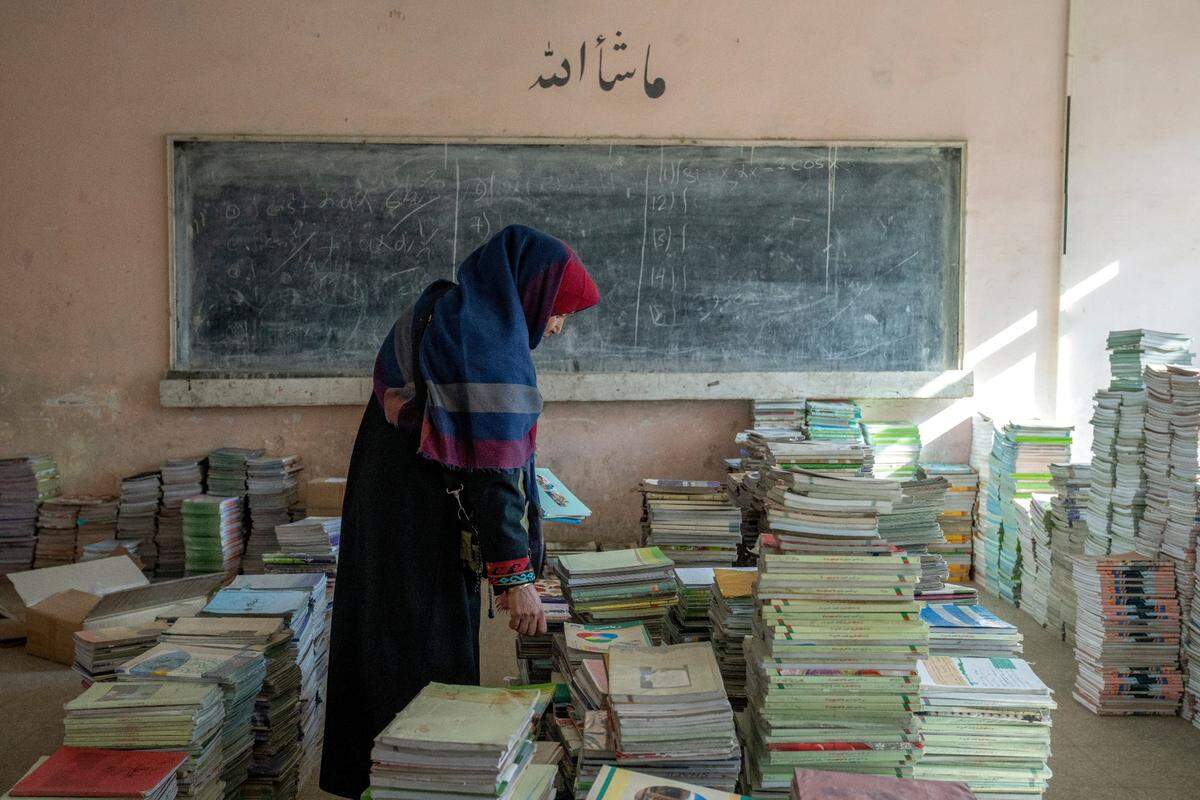
The Taliban ruled Afghanistan from 1996 until 2001. After the Sept. 11, 2001, attacks engineered by al-Qaeda, the terrorist group that enjoyed the Taliban’s protection, U.S.-led forces dismantled the regime, and for 20 years, women slowly regained their humanity. Schools and universities welcomed women again. Women returned to work. Women’s rights were enshrined in a constitution, and a 2009 law declared an effort to eliminate violence against women that had been so common.
As the Taliban regained control in 2021, the regime promised to treat women and girls better, but of course it was a lie. Women are mostly banned from working, must have a male chaperone to travel and must keep their faces covered in public, reversing two decades of progress in a matter of months. Imagine thinking so poorly of women, that women are such a threat to society. It makes America look like a fairytale.
The lesson is clear: Abuse of power and human-rights violations, especially toward women, is not an antiquated concept to everyone. Americans could perhaps not even imagine such an existence, but Afghan women have experienced this brutal societal whiplash in just over a year.
This is why it’s important to remain vigilant, aware of the impact of lawmakers and their work, even in advanced societies. Whatever Congress and the Biden administration can do to condemn this and offer a helping hand on behalf of women in Afghanistan, we must do.
The war in Afghanistan lasted a long time, too long. But it’s important to remember the environment after 9/11: It seemed best to take the fight to an enemy rather than wait for additional attacks on America. Few seemed to realize just how difficult the Taliban would be to eradicate, a fault of ignorance, or American bravado — or both.
But to the credit of the U.S. military and our allies, they did defeat the Taliban, if only briefly. To see such a damaging regime rise again, and undo the human rights secured in that time is beyond discouraging.
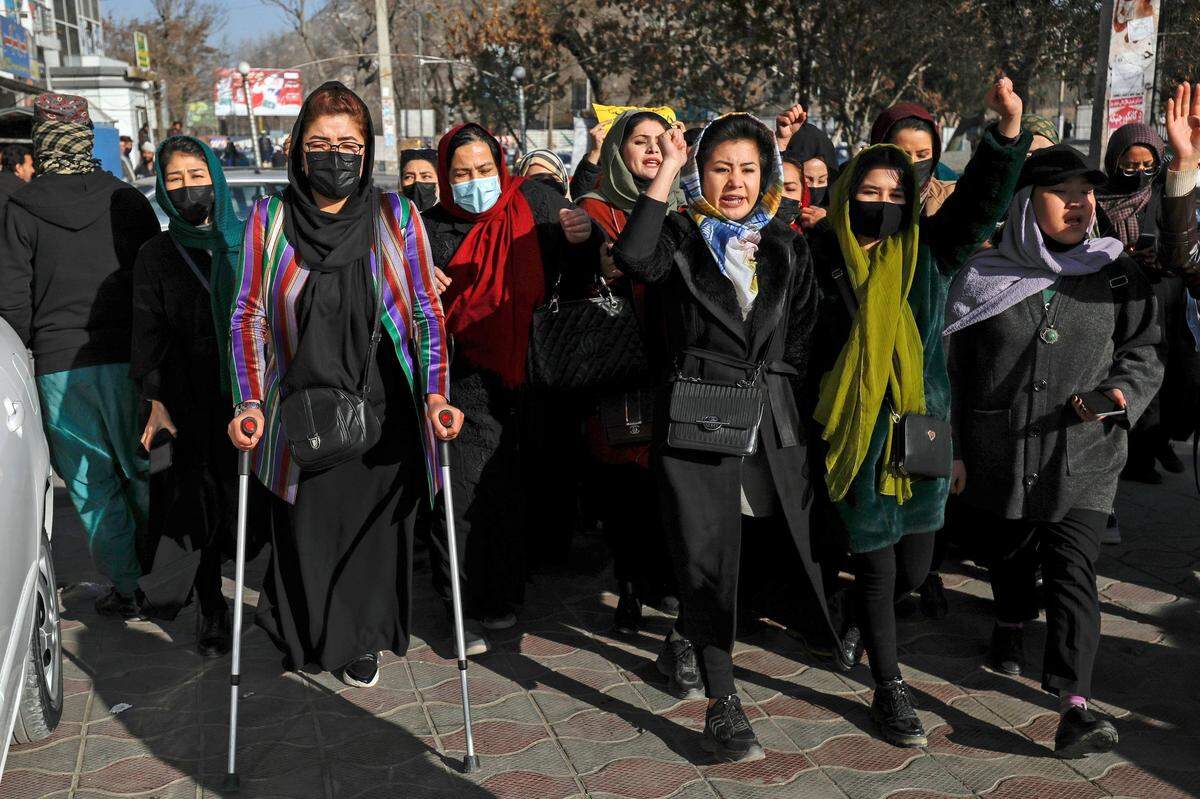
One can observe what’s happening to women and girls in Afghanistan and both be grateful and remain vigilant on behalf of American women. We have more gender parity here than most. It’s hard not to look at a woman being stripped of rights to basic education and compare it to, say, wage gaps between sexes.
That does not mean all is well, though. In several states, trans women can compete in female sports and receive applause when they win. This strips women of the right to fair competition.
Whatever the issues, none of it compares to being unable to travel without a male chaperone, to go out in public without one’s face covered, or to receive an education beyond grade school. Those Taliban “laws” are human-rights abuses, make no mistake, and we can condemn them and be grateful for our own rights in the same breath.