If you think protesting at a Supreme Court justice’s home is right or effective, think again
After a leaked opinion demonstrated that the Supreme Court may overturn Roe v. Wade, protesters first gathered outside the high court. But over the weekend, they turned to chanting and yelling outside the homes of Justice Samuel Alito, Justice Brett Kavanaugh and Chief Justice John Roberts.
All the justices have families.
People are angry and taking it out on others in a deeply personal, incredibly wrong way.
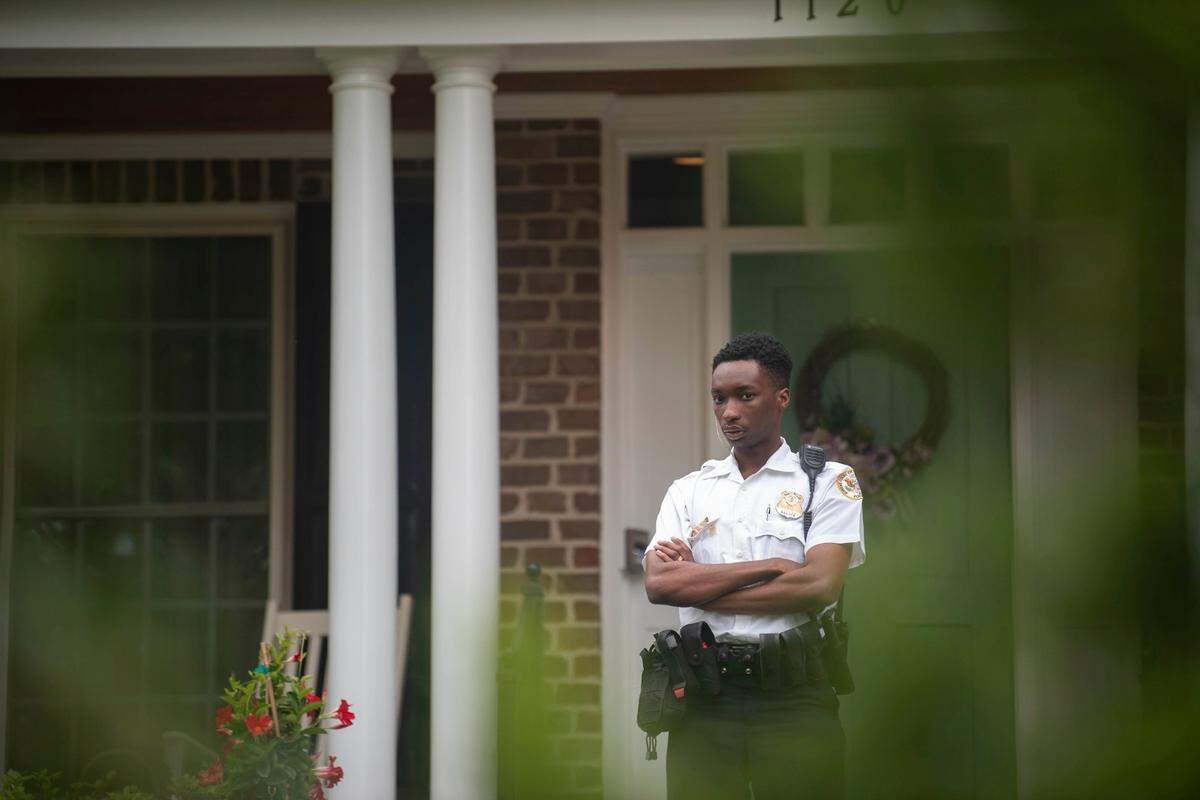
The right to protest is a fundamental one: In fact, the Founding Fathers so believed in the “right to petition the government for a redress of grievances,” they enshrined it in the First Amendment. Throughout American history especially, peaceful protests have spearheaded movements, changed minds and influenced policy.
But there is a distinct difference between peacefully marching down the National Mall from the Washington Monument towards the Capitol and gathering at the home of an influential lawmaker, public figure or Supreme Court Justice to hurl epithets and chant abortion mantras. That’s not protesting. It’s harassment. Even if it’s legal, it crosses a personal boundary and is an egregious way to communicate displeasure.
It’s also a highly ineffective way to change minds or policy.
George Bernard Shaw once said: “This is the true joy in life: Being used for a purpose recognized by yourself as a mighty one, being a force of nature instead of a feverish, selfish little clod of ailments and grievances, complaining that the world will not devote itself to making you happy.”
Not every law or policy will make a person happy. If your politics press you to harass and protest a person outside their home, you should consider that your cause may not be the mighty purpose you think it is.