
We aren’t the original ‘we the people’ anymore. Now, we need a Congress for everyone | Opinion
Who ‘we’ is
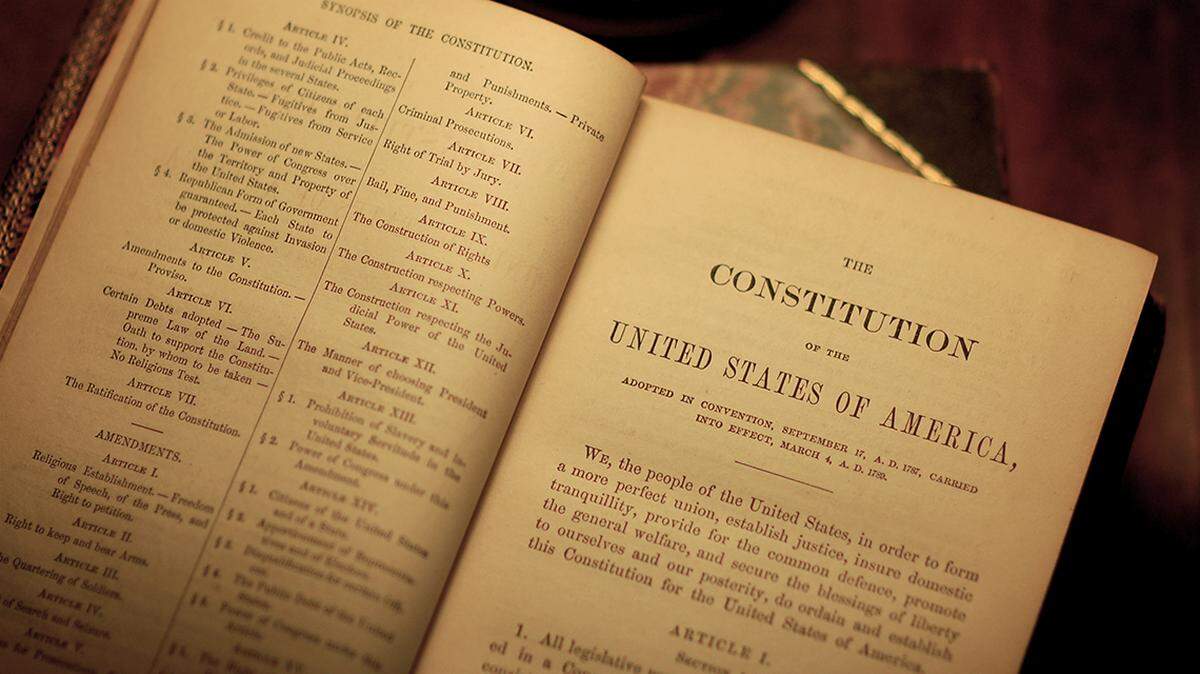
The United States has been an aspirational democracy since our founding. “We the people” didn’t include women, the enslaved or Native Americans. “Life, liberty and the pursuit of happiness” was defined by and granted to white men. Over decades, we the people fought for the fulfillment of the promise of America for all Americans.
We made things better within the system, despite roadblocks that dilute the will of the people. It’s been a tedious march, but determined leaders have made progress.
We have never before elected as president an immoral narcissist who is guided and supported by billionaires and who befriends and admires autocrats. He has duped people into believing he is their champion.
It’s unsettling at best, terrifying at worst. Good people in Congress — hopefully from both parties — are more important than ever. Will they stand up for us?
- Beth Llewellyn McLaughlin, Fort Worth
For us all
So, we’ve voted, and now we all have work to do to manage these new hires and rehires in January, monitoring the federal, state and local levels to see if these “employees” meet our expectations. Contacting these folks with feedback is important. Elected officials must listen and act on what the citizens want or explain why they couldn’t or didn’t.
Change comes with opportunity. Good government requires work, and every citizen can participate in it.
- Marilyn Kepner, Fort Worth
Listening needed
I appreciate Mark Davis’ optimism, dismissing concerns about democracy, but media freedom or policy unpredictability might overlook genuine anxieties many feel about preserving democratic norms. (Nov. 8, 9A, “Some things Democrats might like in Trump’s second term”) These fears are rooted in experiences, not just media portrayals, and acknowledging them thoughtfully can lead to healthier dialogue.
Davis mentioned that some of Trump’s policies, especially on abortion and media, are misunderstood. Misinformation is a problem, but trust in leadership goes beyond policy details — it’s also about how these issues are communicated. Bridging divides requires recognizing these nuanced concerns.
Progress on shared goals such as a strong economy and stable governance will come not by downplaying differences but by engaging in honest discussions. By recognizing shared values and legitimate concerns, we can work toward a more constructive conversation.
- Jeff Cook, Tyler
Who really votes?
While at a local voting location, I observed as a person who was obviously the parent or caretaker of an impaired adult cast that person’s ballot. The “voter” was clearly not voting; the parent or caretaker made the selections with no audible input from the “voter.”
Is being cognizant of one’s vote a requirement to vote? I felt sad for the impaired person but had to wonder about the integrity of the parent or caretaker. How often has such happened elsewhere? And are mail-in ballot addressees actually the ones doing the voting?
- Mark Swanson, Mansfield
Jolie and Sonny
Once again, Fort Worth’s blue-roofed gem, Cook Children’s Health Care System, is ahead of the curve. Reading a recent article on music as medicine, I immediately thought of our Cook Children’s Pied Pipers of musical healing, Jolie and Sonny Burgess. They are country stars in their own right — Sonny is in the Texas Country Music Hall of Fame.
Luckily for us, Sonny and Jolie have been dedicated to improving the lives and well-being of children and families at the hospital for almost 25 years. They have sung to patients, taught the ukulele and worked with children to write and record songs. More important, they have brought comfort, hope and happiness to thousands of families facing challenging times.
You don’t have to look to Harvard for innovative care. We have it right here under the blue peaks.
- Eric H. Hubli, Surgeon-in-chief, Cook Children’s Health Care System, Fort Worth