
Star-Telegram endorsement: Democrats’ best bet against Goldman for Congress

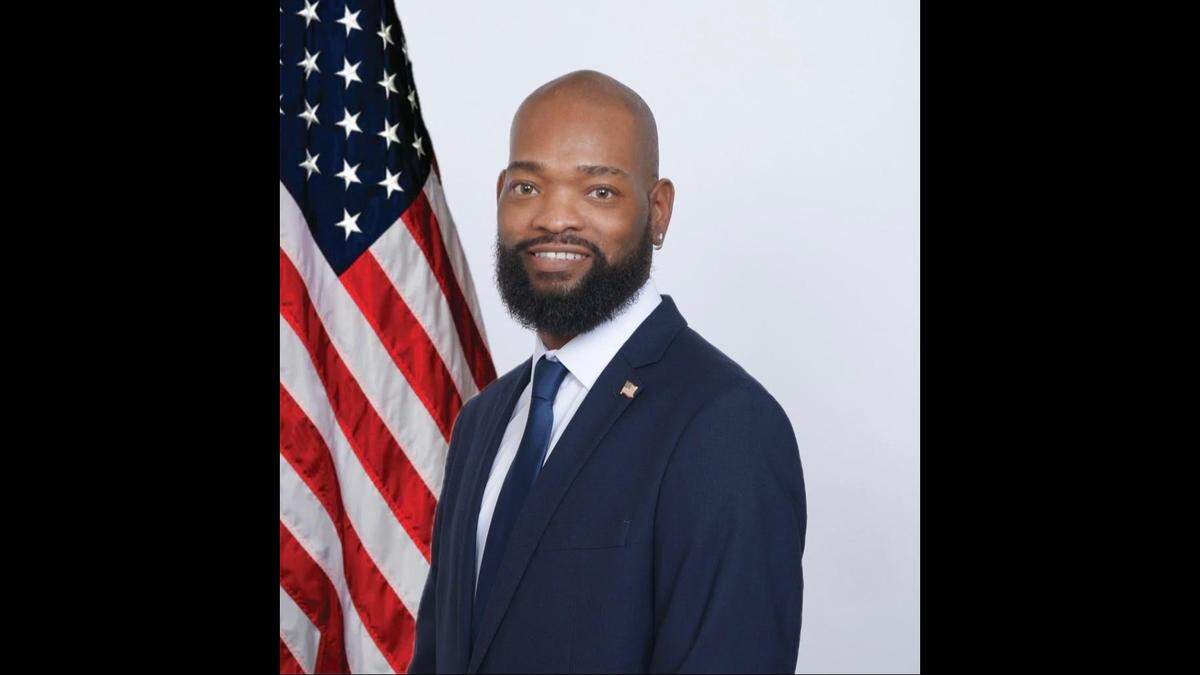
Democrats have two progressive choices to take on Rep. Craig Goldman in the 12th Congressional District. Neither probably has much chance at victory, but Kenneth Morgan-Aguilera offers the better representation for the party.
Morgan-Aguilera, a 50-year-old educator and nonprofit director who lives in Crowley, demonstrates slightly more nuance on policy and willingness to work in a bipartisan manner than his opponent, Angela “Heli” Rodriguez Prilliman. On health care, for instance, he wants to ensure government-guaranteed coverage but would allow for different levels of coverage if a taxpayer is willing to pay out of pocket. In our interview with the candidates, Prilliman would allow only for a Bernie Sanders-style plan funded by wealth taxes.
On immigration, Morgan-Aguilera advocates for sweeping reform of ICE but acknowledges the need for border enforcement and deportation of criminals. Prilliman, a former small business owner who turns 39 this month and lives in Fort Worth, wants the focus to be on prosecuting agents for recent enforcement actions.
Neither candidate offered a realistic answer on defense spending and the Lockheed-Martin F-35 program that is an important economic driver in the district and Tarrant County as a whole. Both would seek to redistribute large amounts of defense spending.
Early voting is available from Feb. 17-27, with Election Day on March 3. The winner will face Goldman, who is unopposed in the Republican primary as he seeks a second term. The district includes western Tarrant County and much of Parker. House members serve two-year terms.
ABOUT OUR CAMPAIGN ENDORSEMENTS
BEHIND THE STORY
MOREHey, who is behind these endorsements?
Members of the Editorial Board, which serves as the Fort Worth Star-Telegram’s institutional voice, decide candidates and positions to recommend to voters. The members of the board are: Cynthia M. Allen, columnist; Steve Coffman, editor and president; Bud Kennedy, columnist; and Ryan J. Rusak, opinion editor.
Read more by clicking the arrow in the upper right.
How does the process work?
The Editorial Board interviews candidates, asking about positions on issues, experience and qualifications, and how they would approach holding the office for which they are running. Board members do additional research on candidates’ backgrounds and the issues at hand. After that, members discuss the candidates and generally aim to arrive at a consensus, though not necessarily unanimity. All members contribute observations and ideas, so the resulting editorials represent the board’s view, not a particular writer.
How do partisanship and ideology factor in?
We’re not tied to one party or the other, and our positions on issues range across the ideological spectrum. We tend to prefer candidates who align with our previously stated positions, but qualifications, temperament and experience are important, too.
This story was originally published February 10, 2026 at 11:05 AM.