
Star-Telegram endorsement: Tarrant election to fill state Senate seat | Opinion
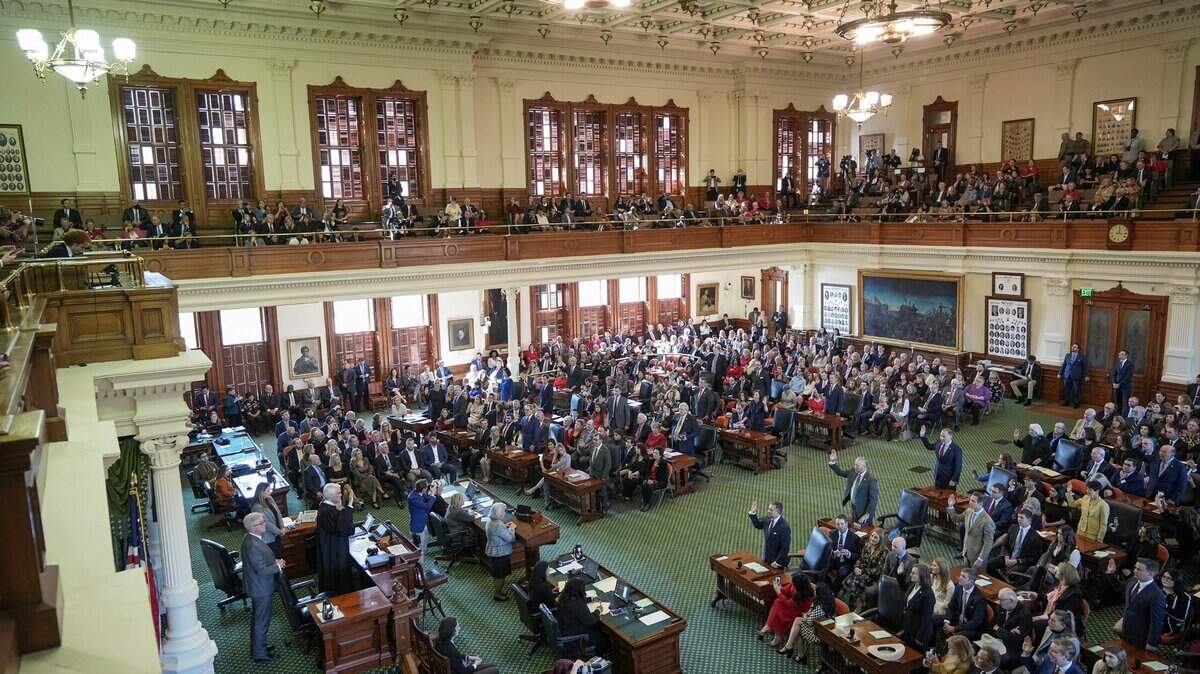
The leading candidates to replace state Sen. Kelly Hancock in a Tarrant County special election don’t differ much on the top issues of the day. So voters have to look to other factors, including experience, endorsements and demeanor.
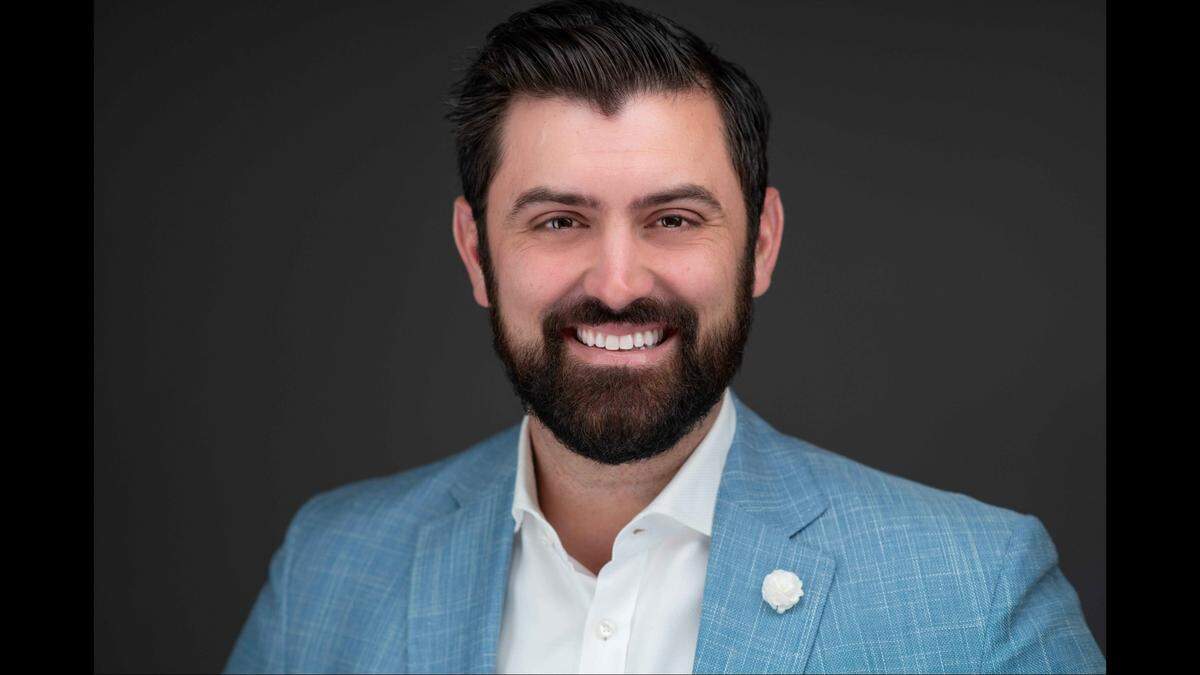
The best choice is former Southlake Mayor John Huffman, a Republican. His record is conservative, but he shows the kind of independence that Hancock brought to the office, befitting a district with widely varying communities and interests.
Huffman, 42, would put his governing experience to good use in the Legislature, where, much like on a city council, getting legislation passed requires building coalitions and compromising when needed.
Huffman’s opponents have tried to make hay of the fact that much of his campaign’s funding comes from the political committee associated with the Sands casino company, which desperately wants to change Texas law and build resort casinos in Dallas and elsewhere.
Huffman says he supports an election to let voters decide about gambling and that any expansion should be limited to casinos in specific areas. Before that could even happen, Christian conservatives such as Lt. Gov. Dan Patrick would have to acquiesce. Patrick shows no signs of moving on the issue.
The other Republican in the race, veteran conservative activist Leigh Wambsganss, is the clear choice of GOP leaders from President Donald Trump to Patrick and Tarrant County Judge Tim O’Hare.
Wambsganss would be a reliable vote for Patrick, who hardly needs firmer control of the Senate at this point. She opposes gambling expansion, but some have noted her family’s interest in a company that owned pull-tab machines, bingo games that look and play like slot machines, in Virginia. The company was sold in 2018, according to The Texan news site.
Wambsganss, 58, of Southlake is chief communications officer for the Patriot Mobile cellphone provider and also ran the political committee associated with the company. In that role, she fought cultural battles that many Republican base voters crave, and she was part of an impressive string of wins that fundamentally changed school boards in Keller and Southlake.
She has also drawn heat for her association with far-right figures such as Steve Bannon. Much of her campaign funding comes from Tim Dunn, one of the West Texas oil billionaires who have financed much of the Texas GOP’s push to the hard right in recent years.
One important difference that emerged in our interview with the candidates was their stances on whether school districts should have to conduct an election to break apart, an issue brought to the forefront in the failed attempt to divide Keller city residents from the much larger Keller ISD. Wambsganss said she doesn’t think an election is a must; Huffman supports a change in the law to require a vote of district residents.
The third candidate, aircraft machinist Taylor Rehmet, offers a stark contrast. A Democrat in a firmly Republican district, Rehmet offers positions in line with labor unions, in which he is active. Unfortunately, the 33-year-old Fort Worth resident didn’t have much more to say on policy than that.
Normally, Rehmet would stand no chance. But this is a special election to fill the term of Hancock, who resigned to become state comptroller. That means it could go to a December runoff. Democrats are outnumbered overall in the district, but if they can generate strong enough turnout, Rehmet could make the runoff while Huffman and Wambsganss split the GOP vote.
The district covers most of northern and western Tarrant County, including nearly half of Fort Worth and suburbs stretching from Benbrook around to Southlake. Early voting begins Oct. 20 and runs through Oct. 31. Election Day is Nov. 4. Any registered voter who lives in the district can cast a ballot at any county polling place.
If no candidate wins more than half the total vote, the top two finishers advance to the runoff, yet to be scheduled but probably in early February. The winner will serve through the end of 2026.
The seat is on the ballot again in 2026, so between the special election, the March 3 party primaries and the November general election, voters could be asked to weigh in as many as five times on their choice for state Senate. All three candidates told us they will run in the March primaries.
BEHIND THE STORY
MOREHey, who is behind these endorsements?
Members of the Editorial Board, which serves as the Fort Worth Star-Telegram’s institutional voice, decide candidates and positions to recommend to voters. The members of the board are: Cynthia M. Allen, columnist; Steve Coffman, editor and president; Bradford William Davis, columnist and editorial writer; Bud Kennedy, columnist; and Ryan J. Rusak, opinion editor.
Read more by clicking the arrow in the upper right.
How does the process work?
The Editorial Board interviews candidates, asking about positions on issues, experience and qualifications, and how they would approach holding the office for which they are running. Board members do additional research on candidates’ backgrounds and the issues at hand. After that, members discuss the candidates and generally aim to arrive at a consensus, though not necessarily unanimity. All members contribute observations and ideas, so the resulting editorials represent the board’s view, not a particular writer.
How do partisanship and ideology factor in?
We’re not tied to one party or the other, and our positions on issues range across the ideological spectrum. We tend to prefer candidates who align with our previously stated positions, but qualifications, temperament and experience are important, too.
This story was originally published October 17, 2025 at 4:29 AM.