
In Denton County House race, it’s incumbent vs. Paxton lawyer. Here’s our endorsement | Opinion

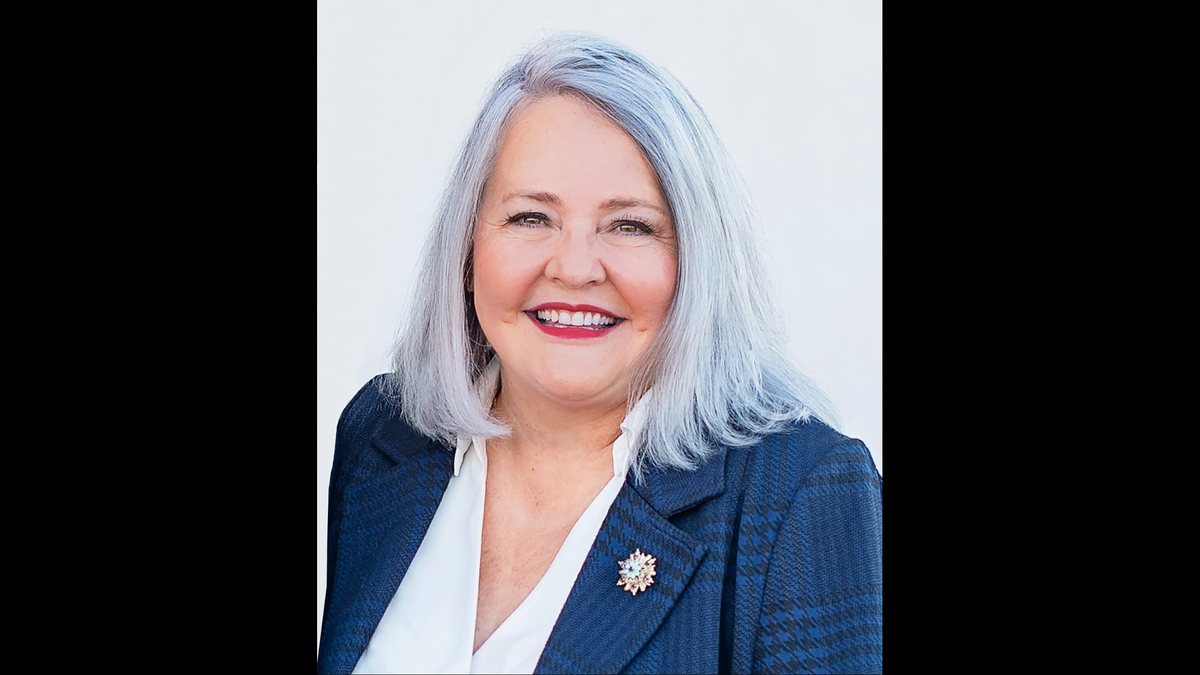
Rep. Kronda Thimesch, the incumbent Republican in Denton County’s Texas House District 65, has an unusually prominent primary opponent: one of Attorney General Ken Paxton’s impeachment lawyers.
Thimesch is a better match for this district, which includes much of Carrollton, parts of Lewisville and Flower Mound, and a sliver of north Fort Worth.
The owner of a landscaping company, Thimesch, a Lewisville resident, is seeking a second term. Thimesch, 56, said she wants to continue to secure the border, reduce property appraisal caps and expand infrastructure to accommodate people moving to Texas.
In the state House, Thimesch holds a powerful post on the Appropriations Committee, which writes the state budget. She leads the sub-panel on education, overseeing more than a third of overall state spending. She co-authored HB 6, a bill that opens up the ability for law enforcement to press murder charges if someone provides a person with a dose of fentanyl that kills them.
Mitch Little, 45, is an attorney who resides in Lewisville. He gained attention in conservative circles for being on Paxton’s legal team. But he’s running on a broad agenda, including more property tax relief and border concerns.
Little also said he is worried about the “vast amount” of special interest and PAC money he believes legislators are collecting. Republican efforts to advance casino gambling are also on his radar. Still, Little could use experience in public office, and his views seem out of step with the district.
Early voting starts Feb. 20 and runs until March 1. The primary is March 5. The winner of this primary will face Democrat Detrick Deburr, who is unopposed in his primary.
BEHIND THE STORY
MOREHey, who is behind these endorsements?
Members of the Editorial Board, which serves as the Fort Worth Star-Telegram’s institutional voice, decide candidates and positions to recommend to voters. The members of the board are: Cynthia M. Allen, columnist; Steve Coffman, editor and president; Bud Kennedy, columnist; Ryan J. Rusak, opinion editor; and Nicole Russell, opinion writer.
Read more by clicking the arrow in the upper right.
How does the process work?
The Editorial Board interviews candidates, asking about positions on issues, experience and qualifications, and how they would approach holding the office for which they are running. Board members do additional research on candidates’ backgrounds and the issues at hand. After that, members discuss the candidates and generally aim to arrive at a consensus, though not necessarily unanimity. All members contribute observations and ideas, so the resulting editorials represent the board’s view, not a particular writer.
How do partisanship and ideology factor in?
We’re not tied to one party or the other, and our positions on issues range across the ideological spectrum. We tend to prefer candidates who align with our previously stated positions, but qualifications, temperament and experience are important, too.
This story was originally published February 16, 2024 at 5:18 AM.