
This Texas office is vital for school funding, veterans services. Here’s our recommendation
Most Texans don’t think about the General Land Office much, if at all. But when they need it — or when they want to take advantage of the fruits of its longer-term responsibilities — they’ll be glad it’s run efficiently and with deep knowledge.
Democrat Jay Kleberg would do so. As land commissioner, he can leverage decades of experience on the issues at hand and sensible managerial experience for the office’s varied and diverse tasks.
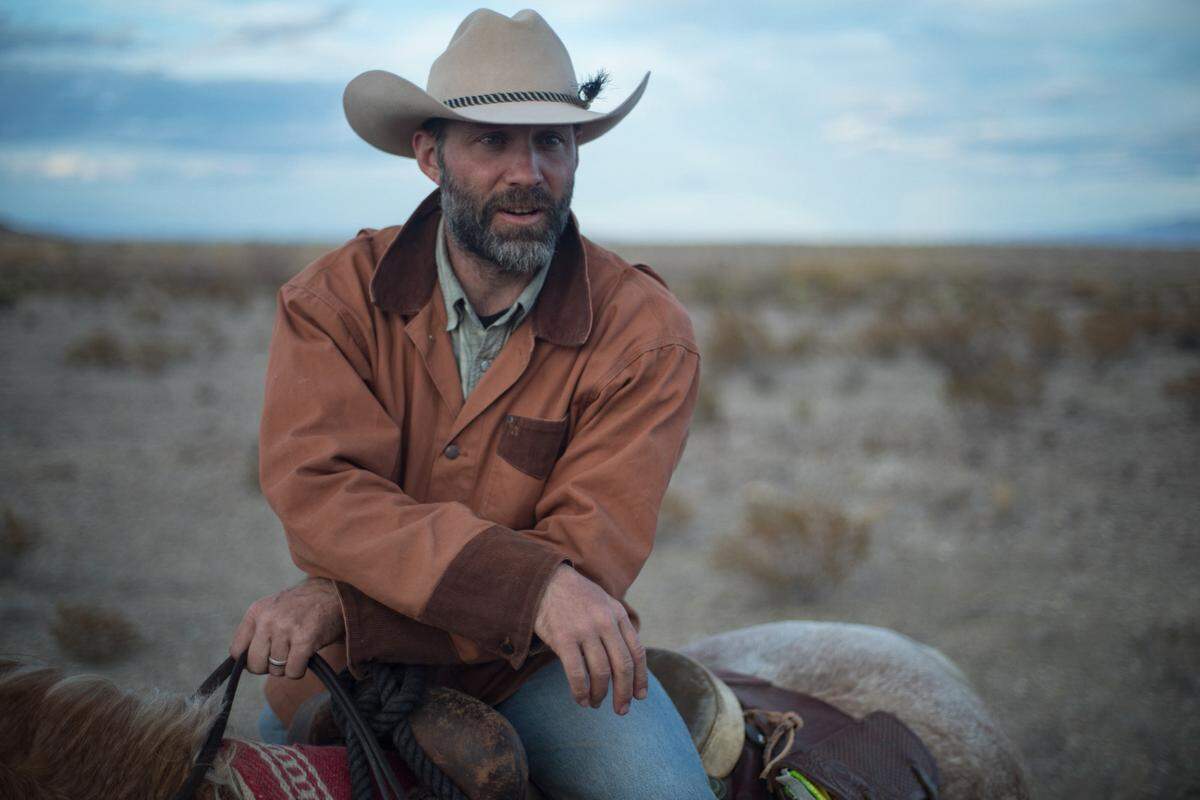
Kleberg, an Austin resident who turns 45 this month, is a scion of the family that owns the famed King Ranch in South Texas. He’s worked in land management from both the private and public sectors, including a stint as an administrator in the Texas Parks and Wildlife Foundation.
The land commissioner touches a wide array of topics, including coastal disaster relief, some veterans’ benefits, and even oversight of the Alamo. Each task needs a steady hand, but most important is the management of resources that help fund public schools and leading the board that handles oil and gas leases to benefit the two largest state university systems.
Climate change and energy prices create constant political tension over harvesting oil and gas. Kleberg, in an interview with the Editorial Board, showed an understanding of the need to maximize the state’s resources while pivoting to cleaner alternatives for the future.
His opponent is Republican Dawn Buckingham, who is in her second term in the state Senate from a Central Texas district. Buckingham, 54, of Lakeway would be a competent replacement for departing Commissioner George P. Bush. But she’s an eye surgeon by trade and is campaigning primarily on national issues such as inflation and border security. She can’t match Kleberg’s experience and knowledge for the job at hand.
The next commissioner must sort out long delays and disparities in hurricane relief for coastal communities and improve services for veterans, including at a new Tarrant County veteran home opening this week. Kleberg is the better bet to get it right.
The election is for a four-year term. Early voting starts Monday and ends Nov. 4. Election Day is Nov. 8.
BEHIND THE STORY
MOREHey, who is behind these endorsements?
Members of the Editorial Board, which serves as the Fort Worth Star-Telegram’s institutional voice, decide candidates and positions to recommend to voters. The members of the board are: Cynthia M. Allen, columnist; Steve Coffman, editor and president; Bud Kennedy, columnist; Ryan J. Rusak, opinion editor; and Nicole Russell, opinion writer.
Members of our Community Advisory Board may also participate in candidate interviews and offer their views, but they do not vote on which candidate to recommend.
Read more by clicking the arrow in the upper right.
How does the process work?
The Editorial Board interviews candidates, asking about positions on issues, experience and qualifications, and how they would approach holding the office for which they are running. Board members do additional research on candidates’ backgrounds and the issues at hand. After that, members discuss the candidates and generally aim to arrive at a consensus, though not necessarily unanimity. All members contribute observations and ideas, so the resulting editorials represent the board’s view, not a particular writer.
How do partisanship and ideology factor in?
We’re not tied to one party or the other, and our positions on issues range across the ideological spectrum. We tend to prefer candidates who align with our previously stated positions, but qualifications, temperament and experience are important, too.