
Hands off the F-35, Elon Musk. America, allies need the Fort Worth-built weapons | Opinion
Two recent developments offer a window into the state of Fort Worth’s important contributions to the national defense.
On Dec. 17, Gov. Greg Abbott was in town to herald a huge Bell Textron Inc. development in north Fort Worth. Buoyed by a massive Army contract for the V-280 Valor helicopter, Bell will add more than 500 good-paying jobs in its hometown. Mayor Mattie Parker and other local leaders, who worked to entice Bell to do the work here, took a well-deserved victory lap, too.
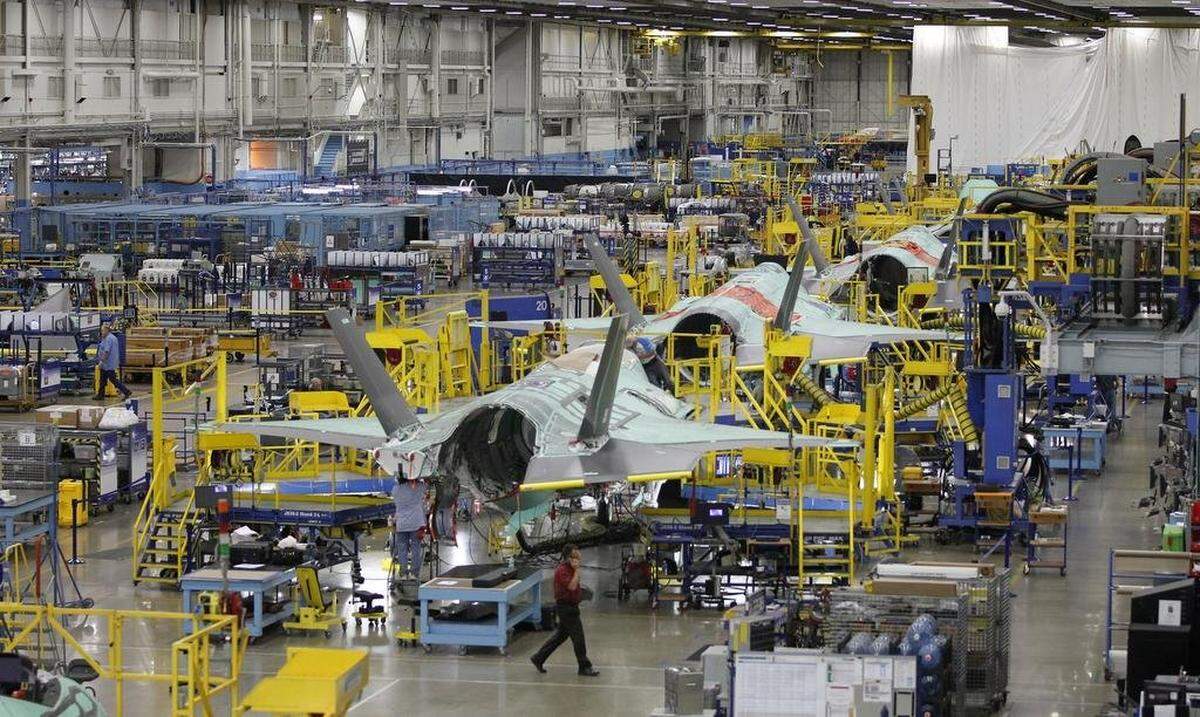
Then, there’s been days of chatter about the future of the F-35 fighter program, built substantially at Lockheed Martin’s venerable Fort Worth facility. Elon Musk, the electric car/tech magnate advising President-elect Donald Trump on reductions to federal spending, singled out the fighter project as wasteful on his X platform.
We’re tempted to say that one represents the real world and the other virtual blather. But any threat to Fort Worth’s vital defense programs (and jobs) must be met forcefully with facts and, well, a strong defense. The F-35, according to Lockheed, supports nearly 50,000 jobs in the area.
The program has had its problems, including cost overruns and development disappointments. If there’s waste or ineptitude, taxpayers deserve to have it addressed. But Musk and other critics fail to appreciate the F-35’s vital role in projecting American power and helping allies maintain robust military operations of their own.
Those still matter, even in the MAGA-era of looking more inward. From Taiwan to the Middle East, dangerous conflicts threaten to metastasize. And if Russia intends to continue to threaten Europe, the prospect of a powerful American response is a crucial deterrent.
Musk is one of the most important futurists in American history. He is wrong, however, that American air power can be turned entirely over to unmanned flight, at least in the short term. Fighters matter.
Something must be said, too, about Musk’s and Vivek Ramaswamy’s Department of Government Efficiency. First, it doesn’t actually exist. The president can’t create a government agency by press release. Second, the name is apparently derived backwards from the name for a crypto currency that Musk backs, so let’s properly calibrate how much it’s a serious effort and how much it’s a vanity project.
With Trump’s backing and allies and Congress, the effort might lead to some cuts, many of which could be welcome. But so far, it’s largely for show.
It would be odd, too, for Trump to harm American defense jobs when he’s positioning himself as the champion of more lucrative blue-collar work. Does a president who is willing to oppose cost-saving automation to protect union port jobs really want massive cuts in a sector vital to national security?
That said, defense cuts are probably coming, particularly in the long-term. The Pentagon budget, as currently constructed, is as unsustainable as much of the rest of federal spending.
Defenders of the F-35 will also have to reckon with the fact that Musk has access to Trump and influence that they may not be able to match. They must redouble their efforts, particularly with the program’s most effective champion gone.
Rep. Kay Granger’s retirement leaves a gap in the Texas delegation’s clout. Her replacement, Rep. Craig Goldman, has committed to protecting the F-35, but as a freshman, he’ll need time to accumulate seniority. Rep. Marc Veasey will also champion the program, but the Fort Worth veteran is a Democrat, with limited impact in a Republican-controlled government.
We were heartened to see Sen. Ted Cruz defend the F-35, telling WFAA-TV’s “Inside Texas Politics” that the fighter gives us an advantage over every one of our enemies across the globe.” Let’s hope both he and Sen. John Cornyn are discussing the matter in meetings with Pete Hegseth, Trump’s nominee for secretary of defense.
The Bell project indicates that local leaders are making a compelling case for the area’s skilled workers. They must follow through with support, including roads and other infrastructure. And they should hunt for opportunities to attract other industries. The Dallas-Fort Worth area’s growth in recent decades is partly due to an ability to pivot to post-Cold War defense realities.
We’ll see if the F-35 truly is in the crosshairs or if Musk’s many other obsessions overshadow it. When the time comes to make tough decisions, the need for versatile fighters must be considered — and Texas officials should not be shy about making the case.
This story was originally published December 20, 2024 at 5:28 AM.