
Texas needs to air-condition prisons before a federal court turns up the heat again | Opinion

It often takes a federal court’s involvement to get Texas to do right by the vulnerable or underserved. From appalling prison conditions and segregated schools to shameful care for foster children, judges have made the state pay dearly for its intransigence.
It might be happening again, over an entirely avoidable problem: the lack of air conditioning in Texas’ prisons.
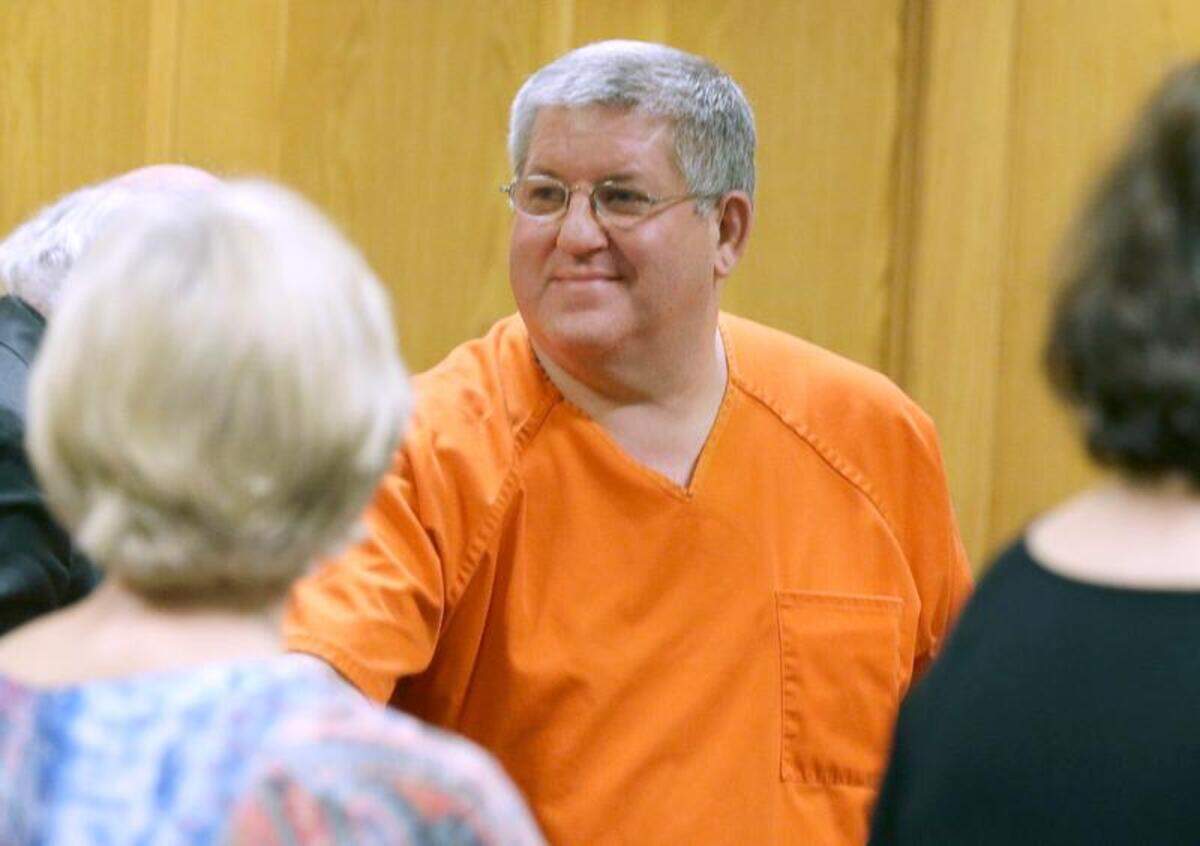
Several nonprofit groups recently joined a lawsuit against the state over the issue, bringing all 130,000 of Texas’ inmates into the case. The suit, originally brought by Bernie Tiede, the infamous killer played by Jack Black in a movie, contends that prisoners have faced temperatures in excess of 110 degrees.
We understand the impulse to be tough on criminals, especially as horrific random violence from around the nation splashes on our TVs and social media feeds. And, hey, if they can’t stand the heat, they should have thought about that before breaking the law, right?
But tough is one thing. Cruel is another. It’s wrong, it’s unconstitutional — and it’s potentially expensive. If the court imposes the fix, it could cost more, all at once, than if the state for once takes the initiative.
About two-thirds of the state’s 87 prison and jail facilities have no or partial air conditioning, Texas Department of Criminal Justice officials said last year.
The state has reported no deaths from heat in prisons since 2012, but that’s almost assuredly creative bookkeeping. Plenty of prisoners have underlying health conditions and heat deaths can show up as other causes. The Texas Tribune found 41 deaths in prisons during the brutal 2023 summer, including among young and otherwise healthy inmates.
Remember, too, that it’s not just the inmates sweltering in there. It’s also corrections officers and the staff and contractors that make the place run. They have more access to air conditioning and other respite, but it’s hard enough to hire and keep personnel in Texas’ far-flung prisons. Asking them to risk their health in unreasonable heat doesn’t help.
And no one is suggesting that prisons need to be kept as cold as a Texas mall entrance, where a 40-degree swing can hit you as soon as you walk in the door. The suggestion is to set a maximum of 85 degrees — an indoor temperature that would have most Texans throwing cash at an AC repairman. It’s not comfortable, but it is survivable.
The state has defended itself by noting that it is gradually adding more air conditioning to various units. And the Legislature allocated $85 million last year for delayed repairs at Texas Department of Criminal Justice facilities, much of which, officials indicated, would go to more cooling areas.
So the argument of whether it’s necessary is essentially settled. Now, it’s a question of how aggressively to do it. The House overwhelmingly passed a bill last year that would have added AC at 16 prisons for $226 million. But the bill died in the Senate.
As the old saying goes, pay now or pay more later. Texas has the money. It just needs the political will to acknowledge that while no one wants to coddle prisoners, when they are in state custody, we must provide them a minimum standard of care.
It’s time for the Legislature to do so — and do it, for once, before a court demands it.
BEHIND THE STORY
MOREHey, who writes these editorials?
Editorials are the positions of the Editorial Board, which serves as the Fort Worth Star-Telegram’s institutional voice. The members of the board are: Cynthia M. Allen, columnist; Steve Coffman, editor and president; Bud Kennedy, columnist; and Ryan J. Rusak, opinion editor. Most editorials are written by Rusak. Editorials are unsigned because they represent the board’s consensus positions, not the views of individual writers.
Read more by clicking the arrow in the upper right.
How are topics and positions chosen?
The Editorial Board meets regularly to discuss issues in the news and what points should be made in editorials. We strive to build a consensus to produce the strongest editorials possible, but when we differ, we put matters to a vote.
The board aims to be consistent with stances it has taken in the past but usually engages in a fresh discussion based on new developments and different perspectives.
We focus on local and state news, though we will also weigh in on national issues with an eye toward their impact on Texas or the Dallas-Fort Worth area.
How are these different from news articles or signed columns?
News reporters strive to keep their opinions out of what they write. They have no input on the Editorial Board’s stances. The board consults their reporting and expertise but does its own research for editorials.
Signed columns by writers such as Allen, Kennedy and Rusak contain the writer’s personal opinions.
How can I respond to an editorial, suggest a topic or ask a question?
We invite readers to write letters to be considered for publication. The preferred method is an email to letters@star-telegram.com. To suggest a topic or ask a question, please email Rusak directly at rrusak@star-telegram.com.
This story was originally published April 30, 2024 at 5:28 AM.