
Texas AG Paxton may have settled fraud case, but he is hardly off the hook | Opinion
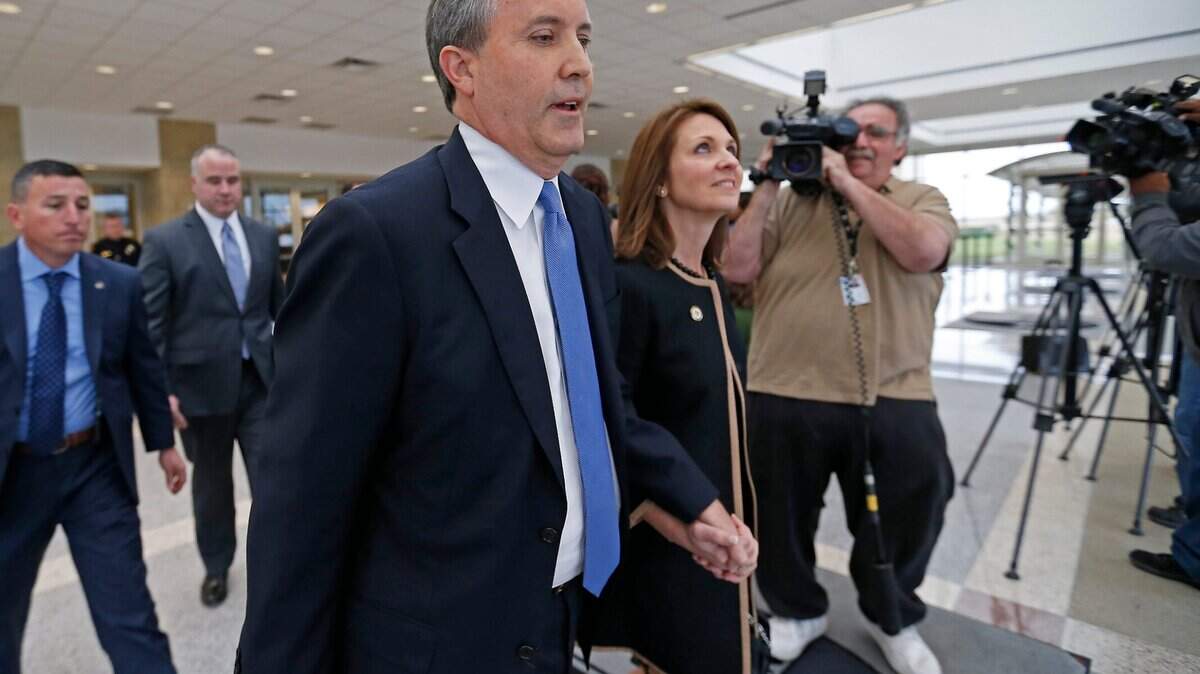
There are two important things to know about the long-delayed resolution of Attorney General Ken Paxton’s securities fraud case.
First, it’s the right outcome, especially after so many years. The activity at the center of it, while inappropriate, was never worth the attention it drew.
Second, Paxton is far from off the hook. The Republican AG and his political allies will try to persuade you that Paxton is cleared of wrongdoing and any remaining legal peril is the work of political enemies. Not so.
The fraud case is the original sin of Paxton’s political and legal misdeeds. The event that launched it predates his time in statewide office, and Paxton is in his third term as AG. Paxton has since taken on so many blemishes that it’s hard to remember what the case was about: his failure to disclose to some friends whom he recruited into an investment that he was paid by a company to do so.
That’s not nothing. But Paxton had already paid a civil fine in another case. Elevating what he did to a crime with possible prison time almost never happens. In an era when reducing unnecessary incarceration is a good public policy goal, the idea of jailing Paxton never made sense, except to his most ardent political enemies (who are often the very people arguing for fewer prison sentences).
Paxton does not admit wrongdoing under the deal consecrated Tuesday in a Houston courtroom. He’ll pay nearly $300,000 in damages and undertake community service and legal ethics training, which he sorely needs.
The case never needed to take this long. It should have made voters question Paxton’s fitness for higher office. But voters have rendered a verdict on that in no fewer than eight statewide elections, and Paxton remains attorney general.
In an ideal world, voters would have noticed the sins of Paxton the candidate and concluded that he would bring similar sloppiness, lax ethics and political influence to high office. Because that’s exactly what he’s done. Over nearly a decade, he has degraded the capabilities of the Office of Attorney General, crushing morale and harming operations of an agency that Texans rely on.
He has targeted appeals court judges, first with wild conspiracy theories that they were aligned to help ensure voter fraud would go unpunished. Then, he included several in his vendetta campaign in this year’s Republican primaries, leading voters to oust three incumbents largely for the sin of crossing Paxton.
He has inserted Texas taxpayers into all manner of politically charged cases. And we’re not talking about suing the Biden administration over illegal immigration or other public policy issues. We’re referring, for example, to his use of your resources to interfere on behalf of conservative media companies fighting what should be their own battle against federal speech-policing. A worthy cause, perhaps, but not one Texans need to finance.
Then, there are the big ones. First, Paxton brazenly tried to interfere with other states’ election results on behalf of former President Donald Trump, a gambit rejected by the Supreme Court. It’s not for Texas to say how other states should conduct their elections, just as we don’t want, say, California sticking its nose into ours. The fact that Paxton acted over Trump’s mendacious claims about fraud deepens the offense. For this, Paxton still faces state bar proceedings.
And finally, there are accusations of bribery and abuse of office to help a friend and donor, developer Nate Paul. These were the heart of the impeachment case against Paxton, and yes, the Texas Senate rejected removing him. That doesn’t mean, however, that Paxton did nothing wrong. An active federal investigation could yet land him in court, and such a prosecution would not be so easily swept aside.
Considering all that, it’s understandable that many will lament that Paxton got off easily in the securities fraud case. It just wasn’t what it was cracked up to be.
But those who want to convince you that the AG has slain every dragon aren’t quite right, either. When it comes to Ken Paxton, there’s always something else hanging in the air.
BEHIND THE STORY
MOREHey, who writes these editorials?
Editorials are the positions of the Editorial Board, which serves as the Fort Worth Star-Telegram’s institutional voice. The members of the board are: Cynthia M. Allen, columnist; Steve Coffman, editor and president; Bud Kennedy, columnist; Ryan J. Rusak, opinion editor; and Nicole Russell, editorial writer and columnist. Most editorials are written by Rusak or Russell. Editorials are unsigned because they represent the board’s consensus positions, not the views of individual writers.
Read more by clicking the arrow in the upper right.
How are topics and positions chosen?
The Editorial Board meets regularly to discuss issues in the news and what points should be made in editorials. We strive to build a consensus to produce the strongest editorials possible, but when we differ, we put matters to a vote.
The board aims to be consistent with stances it has taken in the past but usually engages in a fresh discussion based on new developments and different perspectives.
We focus on local and state news, though we will also weigh in on national issues with an eye toward their impact on Texas or the Dallas-Fort Worth area.
How are these different from news articles or signed columns?
News reporters strive to keep their opinions out of what they write. They have no input on the Editorial Board’s stances. The board consults their reporting and expertise but does its own research for editorials.
Signed columns by writers such as Allen, Kennedy and Rusak contain the writer’s personal opinions.
How can I respond to an editorial, suggest a topic or ask a question?
We invite readers to write letters to be considered for publication. The preferred method is an email to letters@star-telegram.com. To suggest a topic or ask a question, please email Rusak directly at rrusak@star-telegram.com.