
State ineptitude cost us Fairfield Lake park. Here’s how Texas can make good on it | Opinion
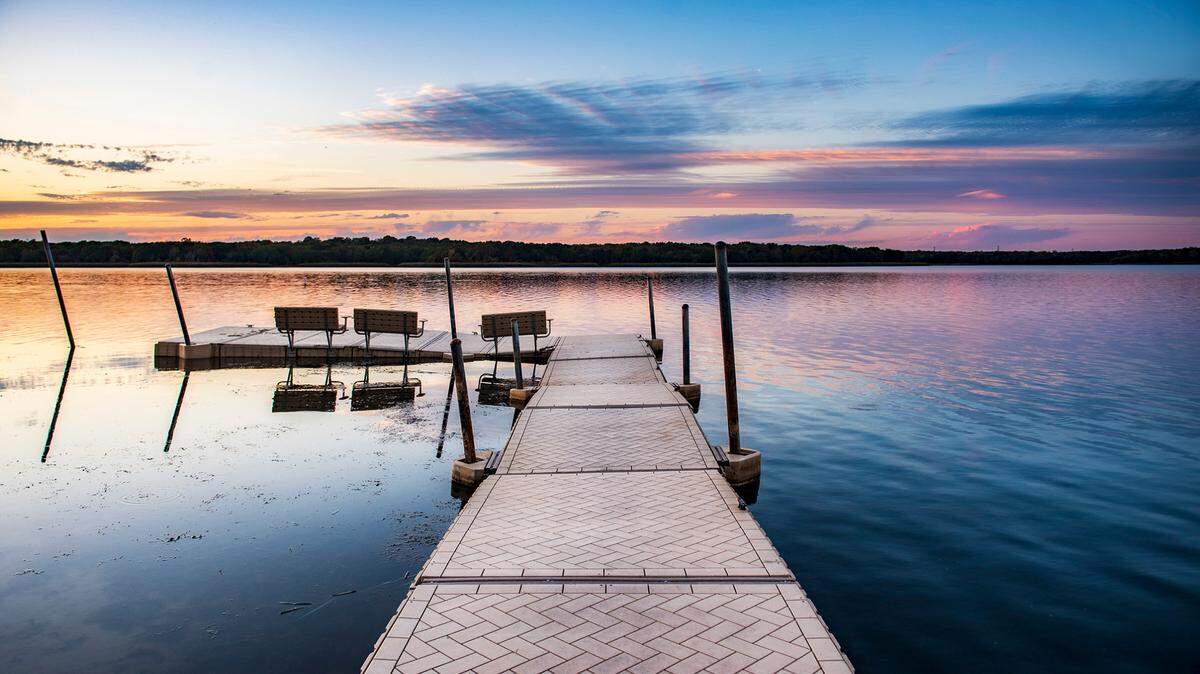
Texans are losing a state park. Blame 50 years’ worth of missteps by public officials.
The saga of Fairfield Lake State Park, which came to an abrupt, surprising end Tuesday, had all the hallmarks of government ineptitude: poor planning, lack of foresight, inertia and a clumsy scramble to please a disappointed public — or at least make the mess look a little better.
Fairfield Lake is the state park that lies on borrowed land about halfway between Dallas and Houston. The energy company that owned the land, Vistra Corp., decided to sell. A Dallas developer stepped in months ago with an ambitious plan for a swanky private community. The state Parks and Wildlife Commission, unable to compete in the market, exercised property-seizure powers to take the land, after five decades in which it never occurred to any elected official or hired bureaucrat to secure it.
There was just one problem: This is still America, and taking the land requires fairly compensating the owner. State officials underestimated the land’s value by about a factor of five, and can’t afford the $418 million that a panel of local property owners ruled it would have to pay the development company, Todd Interests.
So, staring down the barrel of a long, expensive legal battle, the Parks and Wildlife Department folded, announcing with Todd Interests on Tuesday that the eminent domain fight would cease. Fairfield Lake State Park is a goner.
In retrospect, it’s far-fetched that state officials believed the land was worth just $85 million, the amount they proposed in compensation. The more likely scenario is that eminent domain was a gambit designed to convince the public that the state had done everything it could, which is pretty laughable after so many years of inaction.
And if not, if the offer was legitimate, let’s get some better property assessors over there, pronto.
After all, plenty of local officials and residents in Freestone County saw the value of developer Shawn Todd’s proposal for a gated community. They saw increased property values, growth and business opportunities, and they wanted it.
Setting those against the intangible losses of a popular recreation spot is not easy. You can’t put a dollar value on the benefits of the hiking, fishing and enjoyment of nature that so many Texans experienced at Fairfield Lake. That’s why the state needs to make sure this never happens again.
First, the Parks Department — or if necessary, the Legislature — should review every arrangement in which Texas depends on borrowed or leased land. Most of them are with other governments, federal or local, but no chances should be taken. If there’s any risk of losing another park, the state should seriously consider making an offer to buy the property. If not, it should secure a right of first refusal if the land is ever placed up for sale.
More importantly, though, Texas must be smart, yet still aggressive, about acquiring additional parkland, as well as expanding and improving current sites. Our available recreational choices have not kept pace with population growth, which isn’t slowing anytime soon. And we are increasingly recognizing, especially in an era of ever-present technology and urbanization, that people need time outdoors in nature. It’s a boon for mental and physical health.
Voters made clear their strong support for this last month. A proposed amendment to the Texas Constitution to create a $1 billion trust fund to buy parkland passed with nearly 77% of the vote.
In other words, state leaders and parks officials have a mandate for more and better parks and the money to make it happen. Let’s not wait another five decades for a crisis to develop.
BEHIND THE STORY
MOREHey, who writes these editorials?
Editorials are the positions of the Editorial Board, which serves as the Fort Worth Star-Telegram’s institutional voice. The members of the board are: Cynthia M. Allen, columnist; Steve Coffman, editor and president; Bud Kennedy, columnist; Ryan J. Rusak, opinion editor; and Nicole Russell, editorial writer and columnist. Most editorials are written by Rusak or Russell. Editorials are unsigned because they represent the board’s consensus positions, not the views of individual writers.
Read more by clicking the arrow in the upper right.
How are topics and positions chosen?
The Editorial Board meets regularly to discuss issues in the news and what points should be made in editorials. We strive to build a consensus to produce the strongest editorials possible, but when we differ, we put matters to a vote.
The board aims to be consistent with stances it has taken in the past but usually engages in a fresh discussion based on new developments and different perspectives.
We focus on local and state news, though we will also weigh in on national issues with an eye toward their impact on Texas or the Dallas-Fort Worth area.
How are these different from news articles or signed columns?
News reporters strive to keep their opinions out of what they write. They have no input on the Editorial Board’s stances. The board consults their reporting and expertise but does its own research for editorials.
Signed columns by writers such as Allen, Kennedy and Rusak contain the writer’s personal opinions.
How can I respond to an editorial, suggest a topic or ask a question?
We invite readers to write letters to be considered for publication. The preferred method is an email to letters@star-telegram.com. To suggest a topic or ask a question, please email Rusak directly at rrusak@star-telegram.com.