
Why did Texas let troubled Fort Worth children’s clinic reopen so soon? | Opinion
Our city’s kids are our next generation — we need to take better care of them. Unfortunately, that’s not always happening in some vital facilities around the area, specifically Fort Behavioral Health, a residential treatment center for adolescents who have experienced severe trauma or have special mental health needs.
Texas regulators temporarily shut down the privately owned facility in January following allegations of sexual abuse by staff, children harming one another, fights, lack of supervision, and other concerns about staffing and care. The state let Fort Behavioral reopen after 30 days under a one-year probation agreement but never explained thoroughly to the public what prompted the shutdown. . The fact that the facility was allowed to reopen after such serious allegations demonstrates a serious need for transparency and accountability.
A Star-Telegram investigation found that state regulators had cited Fort Behavioral with scores of violations in the two years before the shutdown, many involving the safety of both foster children housed there and adolescents whose families admitted them for treatment.
Days before the January shutdown, the Texas Department of Family and Protective Services began removing the 23 foster kids from Fort Behavioral. Our Community Our Kids, the organization that oversees foster care in the Fort Worth area, no longer places any children at Fort Behavioral, even since the facility reopened. You know it’s bad when the state foster care system, always desperate need for beds, passes on a facility.
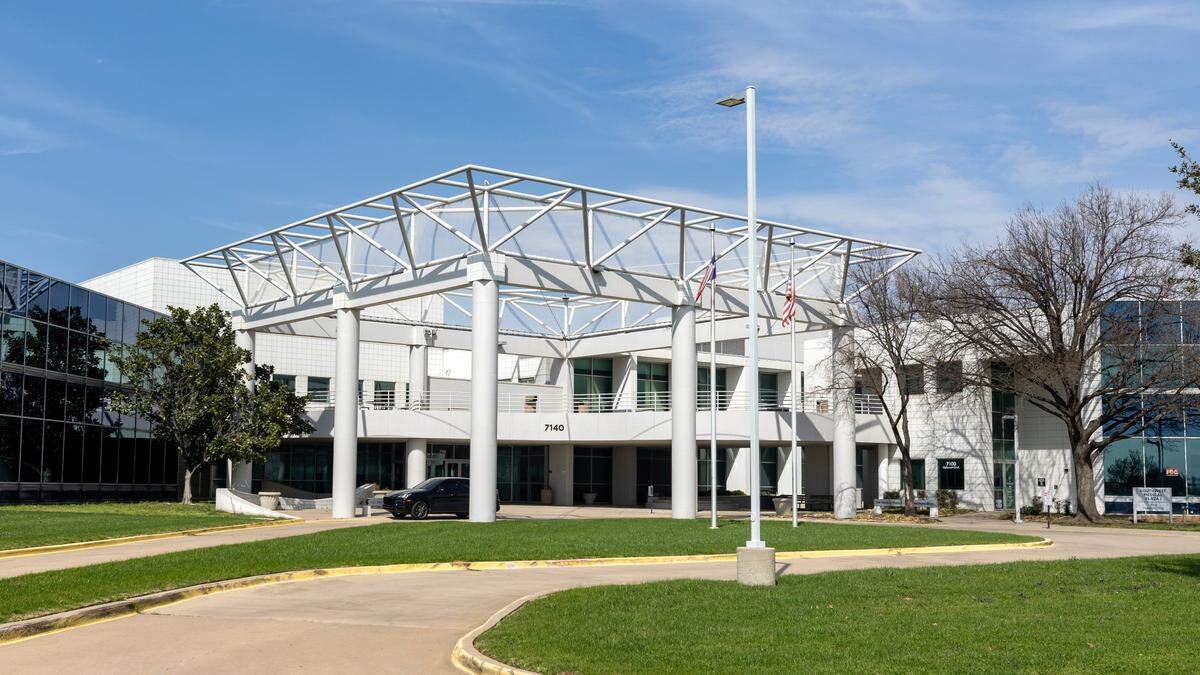
One would hope, upon reopening and especially because it’s on probation, Fort Behavioral would have shown signs of improvement. But since Fort Behavioral reopened in February, the state has cited the facility at least 30 times for a number of violations. So much for a restorative probationary period.
Fort Behavioral’s management appears to struggle with transparency, accountability and authority. Our reporter’s investigation, poring over thousands of state documents, police records and several wrongful termination lawsuits, demonstrated that the rot started at the top. From understaffing to under-reporting, Fort Behavioral’s administration seemed obsessed with the bottom line rather than helping kids.
During training, staff was encouraged to be cynical of state regulators, rather than to welcome the oversight that might correct misdeeds or mistakes, and prevent so many citations and complaints. This sounds like one of the driving factors that encouraged a lack of transparency, something this industry desperately needs, when their primary clients are struggling children who often cannot advocate for themselves.
In addition to the abuse, which is bad enough, several former employees said there often isn’t any actual programming there, so they’re essentially expensive babysitters. A lackadaisical, boring environment would make a healthy child eventually act out. Children dealing with trauma and other issues need routine and structure for their days.
Fort Behavioral’s administration appears to shun attempts to be held accountable, instead treating the investigations as if they are a normal part of a residential treatment center. If they are, they shouldn’t be. And no one, including anyone in this industry, the state or struggling parents, should normalize this. People make mistakes, but ongoing safety violations must be rooted out.
It sounds as if children continue to be at risk, and the fault lies with regulators who acted too quickly to allow the reopening. The state needs to shut it down as long as necessary to get it right and work with other organizations and parents to re-home the children in need.
Most important, parents have entrusted their children — children with vital needs — to this facility for care they are unable to give themselves. To discover, after trusting Fort Behavioral with their children, that some haven’t received adequate treatment or have been subjected to additional trauma, must be a nightmare.
Our children, especially those dealing with trauma and special needs, are some of the most vulnerable members of our society. They cannot advocate for themselves, and so we must. Here, there is more work to be done and quickly, before more children are put in harm’s way.
BEHIND THE STORY
MOREHey, who writes these editorials?
Editorials are the positions of the Editorial Board, which serves as the Fort Worth Star-Telegram’s institutional voice. The members of the board are: Cynthia M. Allen, columnist; Steve Coffman, editor and president; Bud Kennedy, columnist; Ryan J. Rusak, opinion editor; and Nicole Russell, editorial writer and columnist. Most editorials are written by Rusak or Russell. Editorials are unsigned because they represent the board’s consensus positions, not the views of individual writers.
Read more by clicking the arrow in the upper right.
How are topics and positions chosen?
The Editorial Board meets regularly to discuss issues in the news and what points should be made in editorials. We strive to build a consensus to produce the strongest editorials possible, but when we differ, we put matters to a vote.
The board aims to be consistent with stances it has taken in the past but usually engages in a fresh discussion based on new developments and different perspectives.
We focus on local and state news, though we will also weigh in on national issues with an eye toward their impact on Texas or the Dallas-Fort Worth area.
How are these different from news articles or signed columns?
News reporters strive to keep their opinions out of what they write. They have no input on the Editorial Board’s stances. The board consults their reporting and expertise but does its own research for editorials.
Signed columns by writers such as Allen, Kennedy and Rusak contain the writer’s personal opinions.
How can I respond to an editorial, suggest a topic or ask a question?
We invite readers to write letters to be considered for publication. The preferred method is an email to letters@star-telegram.com. To suggest a topic or ask a question, please email Rusak directly at rrusak@star-telegram.com.