
What went wrong with weather service’s warnings on Texas tornadoes? | Opinion
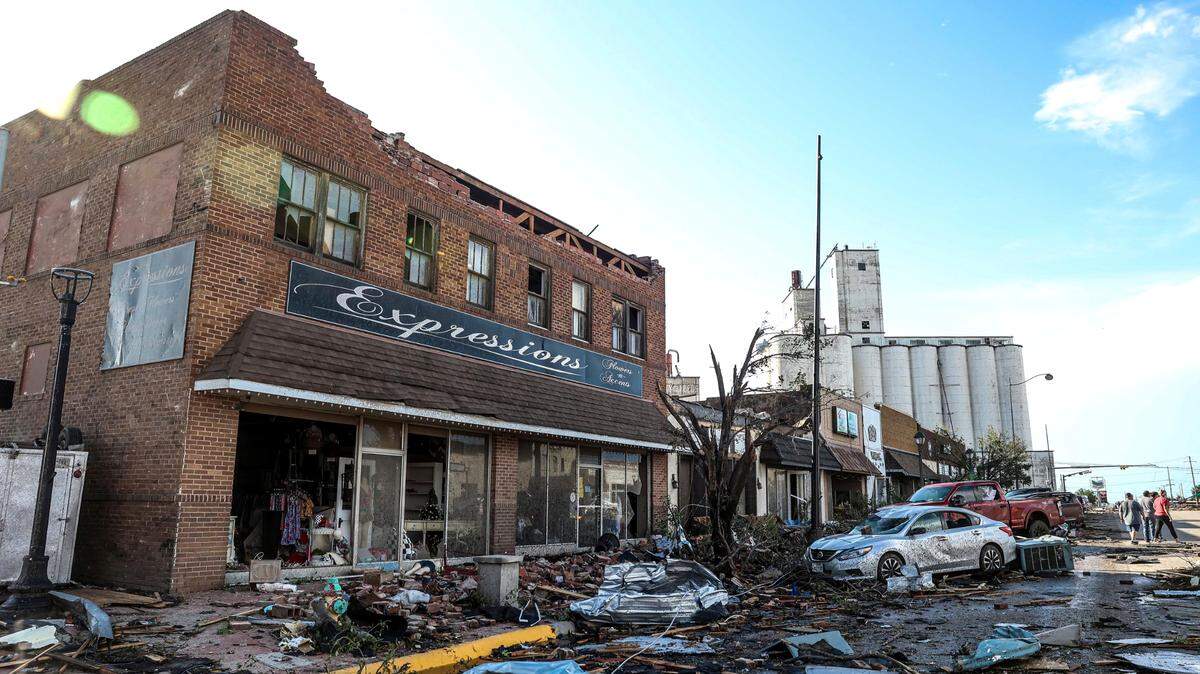
Three deadly twisters in the last two months have hit parts of Texas with very little notice from the National Weather Service , the federally funded organization that keeps an eye on the weather through national, regional, and local weather forecast offices. Eight people died in those storms.
Due to its landscape and weather patterns, Texas is a prime target for deadly tornadoes — about 120 occur per year — and the lack of warning time for people to seek shelter could cause severe injury or deaths. Technically, tornado “season” for Texas ended in June, but they can happen any time of year.
Tornadoes do not discriminate, either. Even though these tornadoes didn’t land in Fort Worth or surrounding areas does not mean the next one won’t.
The NWS distributes warnings through the local weather office and in these cases, it did not meet its own guidelines for timely warnings, which is about 13 minutes before the tornado touches the ground. Statistics show that this last year, the NWS averaged about 11.5 minutes of lead time for weaker tornadoes and almost double that for stronger ones.
Of course, tornado watching is somewhat subjective. It’s often difficult to know when to issue a tornado warning. Forecasters use a variety of materials to determine when to issue the most crucial of all warnings, which communicate to people in the area to immediately seek shelter. Radar is used alongside reports from storm chasers. Tornadoes can also move around unpredictably, touching down in different areas within a short span of time.
We have learned that NWS tries to switch its radars into SAILS mode, a feature that produces radar scans every 120 seconds so that updates are more frequent and it’s easier to know when to issue a warning. However, in the case of the June 21 tornado that tore through Matador, Texas, about 265 miles west of Fort Worth, NWS issued its warning just six minutes before the storm hit.
SAILS had been switched on, but it was scanning only once every three minutes. In tornado time, every minute, every second matters. That tornado wound up being about 2,000 feet wide for nine miles, with wind speeds of 165 mph. It dropped massive hail chunks for almost 20 minutes.
We aren’t meteorologists, but it seems like when it comes to severe weather, like tornadoes, more information is better. Why isn’t SAILS mode switched on immediately after a tornado watch, and scanning every 2 minutes or less? Setting available tools to scan more frequently, however difficult that might be, seems like a better alternative — especially when a tornado can do incredible amounts of property damage and cause deaths — in such a small amount of time.
Just before that tornado hit Matador, another one hit Perryton, a town in the Texas panhandle. It tore through mobile homes, wreaking havoc, and ultimately killed three people and injured more than a hundred, according to local news reports.
Although NWS did issue a tornado watch two and a half hours before the tornado touched down, residents received a warning only when the twister had already made an impact on the ground. The local NWS office chalked the lack of warning up to the spontaneous nature of tornadoes, which touch down sporadically but within the same area. Still, NWS’ radar is technologically advanced, and a warning issued far too early, even if it turned out to be unnecessary, seems better than one issued too late.
Aside from severe heat and tornadoes, North Texas suffers from few ailments caused by Mother Nature. But tornadoes can be some of the worst — deadly, sporadic, hard to spot. That’s why it’s imperative we use all the technological advances we have and that the people operating them are communicating on the better-safe-than-sorry side of things, rather than five minutes too late.
Perhaps an independent review of a handful of local NWS offices around Texas is necessary to determine that equipment is top of the line and that everyone trained to handle it is up to speed on the best practices to warn residents as early as possible that it’s imperative to take shelter. Lives just might depend on it.
BEHIND THE STORY
MOREHey, who writes these editorials?
Editorials are the positions of the Editorial Board, which serves as the Fort Worth Star-Telegram’s institutional voice. The members of the board are: Cynthia M. Allen, columnist; Steve Coffman, editor and president; Bud Kennedy, columnist; Ryan J. Rusak, opinion editor; and Nicole Russell, editorial writer and columnist. Most editorials are written by Rusak or Russell. Editorials are unsigned because they represent the board’s consensus positions, not the views of individual writers.
Read more by clicking the arrow in the upper right.
How are topics and positions chosen?
The Editorial Board meets regularly to discuss issues in the news and what points should be made in editorials. We strive to build a consensus to produce the strongest editorials possible, but when we differ, we put matters to a vote.
The board aims to be consistent with stances it has taken in the past but usually engages in a fresh discussion based on new developments and different perspectives.
We focus on local and state news, though we will also weigh in on national issues with an eye toward their impact on Texas or the Dallas-Fort Worth area.
How are these different from news articles or signed columns?
News reporters strive to keep their opinions out of what they write. They have no input on the Editorial Board’s stances. The board consults their reporting and expertise but does its own research for editorials.
Signed columns by writers such as Allen, Kennedy and Rusak contain the writer’s personal opinions.
How can I respond to an editorial, suggest a topic or ask a question?
We invite readers to write letters to be considered for publication. The preferred method is an email to letters@star-telegram.com. To suggest a topic or ask a question, please email Rusak directly at rrusak@star-telegram.com.