
Texas can do much more to fight hate, racist terror. And after Allen shooting, it must | Opinion
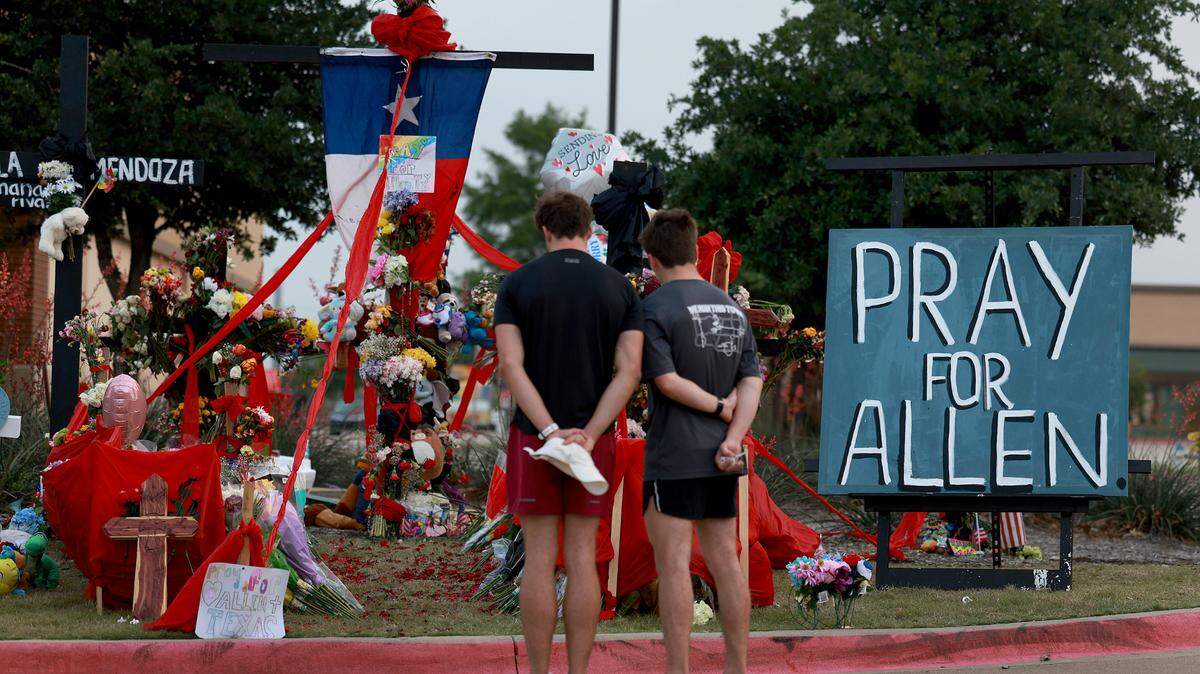
The massacre at an Allen outlet mall presents many challenges, and one of the most difficult will be confronting the extremism that appeared to help drive the shooter to his heinous act.
Mauricio Garcia was apparently eaten alive with hate for those not like him. Online accounts linked to him are littered with disgusting comments about Jewish, Asian and LGBTQ people. He embraced neo-Nazi ideology and symbols, even tattooing them on his body. He wore a slogan common to a violent far-right group. He appeared at least sympathetic to white supremacy, if not involved in any organized group.
It’s hard for most people to fathom such devotion to hate, so it’s tough to imagine how to confront it. For law enforcement, the situation is complicated by free-speech rights, the growth and spread of these sentiments across the internet and limited resources to investigate it.
But our leaders have to do more to confront it. The denunciations must be loud and repeated. Words aren’t enough: They need to provide resources and guidance for law enforcement about how to deal with this threat.
And make no mistake, it’s real: The Anti-Defamation League found, in a February report, that extremism-motivated mass killings have been on the rise for decades. Most attacks are motivated by far-right ideology, though far-left and Islamic extremist killers are part of the problem, too.
Investigation of such crimes is typically left to the FBI, which has the reach and resources to connect more dots. But state and local law enforcement should do more. The Legislature has poured resources into the Department of Public Safety in recent years, mostly in reaction to border security. Perhaps it’s time to divert more attention to threats from inside rather than outside.
DPS produced a domestic terror threat assessment in 2020. It acknowledged that white racist extremism is the most serious threat of violence. It also noted that one challenge for law enforcement is the lack of federal or state domestic terrorism laws.
The state Senate has approved a bill from Sen. Phil King, R-Weatherford, that would create such a law. That would give law enforcement more power to investigate terroristic threats, and it would create a registry of those convicted of terror crimes, similar to the state sex-offender registry but accessible only to law enforcement. The bill is awaiting consideration in the House.
Even with such tools, no one should pretend that deterring attack plots or shootings will be easy. There’s no sign that Garcia explicitly advertised his intentions, except perhaps in some vague online posts. Tracking internet extremism is a digital rabbit chase. There are too many sites and while some monitoring may be appropriate, we do not want the FBI or DPS turning into the internet speech police.
For police to act, it takes more than expressions of hate. Beyond the difficulty of catching lone wolves, though, law enforcement can step up its investigation of organized hate groups that may encourage or even cultivate potential attackers.
There’s a role for the rest of us, too. Aren’t we all tired of hearing after a shooting about how the killer made threats, stockpiled weapons, maybe even harmed animals? Garcia may have been an exception, but there are almost always signs that trouble was brewing. People are rightfully hesitant to call the cops on a neighbor without direct cause, but perhaps family or friends can be alerted and they can intervene.
These are difficult issues in a big, diverse country and state that value individual liberty and a live-and-let-live attitude. But we can do more, starting with a better grasp on the hate in our midst. The souls of eight lost Texans deserve at least that much.
BEHIND THE STORY
MOREHey, who writes these editorials?
Editorials are the positions of the Editorial Board, which serves as the Fort Worth Star-Telegram’s institutional voice. The members of the board are: Cynthia M. Allen, columnist; Steve Coffman, editor and president; Bud Kennedy, columnist; Ryan J. Rusak, opinion editor; and Nicole Russell, editorial writer and columnist. Most editorials are written by Rusak or Russell. Editorials are unsigned because they represent the board’s consensus positions, not the views of individual writers.
Read more by clicking the arrow in the upper right.
How are topics and positions chosen?
The Editorial Board meets regularly to discuss issues in the news and what points should be made in editorials. We strive to build a consensus to produce the strongest editorials possible, but when we differ, we put matters to a vote.
The board aims to be consistent with stances it has taken in the past but usually engages in a fresh discussion based on new developments and different perspectives.
We focus on local and state news, though we will also weigh in on national issues with an eye toward their impact on Texas or the Dallas-Fort Worth area.
How are these different from news articles or signed columns?
News reporters strive to keep their opinions out of what they write. They have no input on the Editorial Board’s stances. The board consults their reporting and expertise but does its own research for editorials.
Signed columns by writers such as Allen, Kennedy and Rusak contain the writer’s personal opinions.
How can I respond to an editorial, suggest a topic or ask a question?
We invite readers to write letters to be considered for publication. The preferred method is an email to letters@star-telegram.com. To suggest a topic or ask a question, please email Rusak directly at rrusak@star-telegram.com.