
Texans shouldn’t have to lose a state park. Here’s how to keep it from happening again | Opinion
If the saga of Fairfield Lake State Park were a Hollywood tear-jerker, the cold property developer determined to turn a longtime natural refuge into a community of multimillion-dollar homes would have a last-minute change of heart and sell — no, donate! — the park southeast of Dallas to the state.
But that’s not the ending of this tale, so some want to turn it into a courtroom drama that turns on the use of eminent domain. It’s the wrong approach, and Texas taxpayers would be better off turning their attention to another story.
Texans have enjoyed the park, with its hiking trails and good fishing, since 1976. But they never owned it. A private company, now Vistra Corp., provided a lease free of charge. Now, the valuable land is set to be sold, and the state parks agency’s efforts to buy it are too little, too late.
It’s a loss, no question, in a state without enough parkland to meet the demands of an increasing population. Some lawmakers want to swoop in at the last minute and authorize the use of eminent domain, the government power to seize land in the public interest. But that would be a mistake: Texas had 50 years to avoid this mess and failed, and a lengthy legal battle isn’t the answer.
Instead, the Legislature and parks officials should learn the lessons of Fairfield Lake, assess Texas’ parks needs long term and take advantage of the state’s record budget surplus to plan for future needs of a growing population that increasingly wants — and needs — opportunities to be outside.
At least Fairfield Lake appears to be a unique problem. The state leases 14 other parks, but those lands (with one exception) are owned by other governments, such as counties or, in many cases, the U.S. Army Corps of Engineers. Conflicts with those entities are possible, of course, but they are unlikely to decide to sell public land for housing developments.
Texans have made clear to their leaders that they want ample, affordable natural areas to explore. In 2019, voters approved a constitutional amendment to devote certain sales tax revenue to parks and historical projects, finally guaranteeing a stream of revenue that isn’t subject to the Legislature’s whims. That vote helped give parks officials the wherewithal to bid on Fairfield Lake — but far too late.
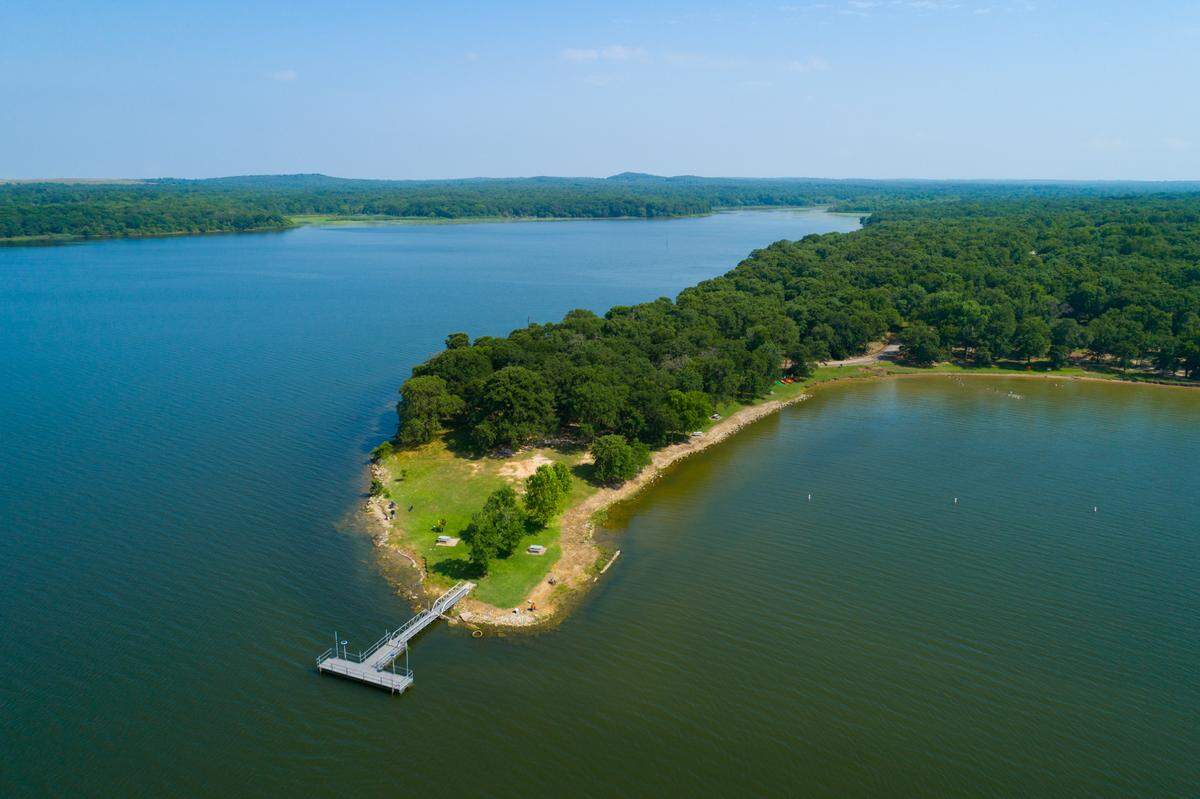
But Texans have also voted with their feet. Use of state parks is on the rise, with a record 9.94 million visitors in 2021.
“Looking forward, state parks are more valued, especially post-COVID,” said Anne Brown, executive director of the Texas Parks and Wildlife Foundation, which helps raise money to conserve land. “People really do value parks.”
The lesson of Fairfield Lake is to plan ahead. The state must recognize that Texas needs more parks, which means more money to acquire land. Expanding current parks is also a priority. And it must be done before land is spoiled or sold off.
Texas also should have a master plan for its long-term need for natural respites, much as lawmakers aggressively planned for water demand in decades to come. That means ensuring a new source of funding to acquire more land. The budget surplus of $32.7 billion is already weighed down with a lot of requests, but this is the kind of long-term planning in which wise use of money now will benefit Texans long after current officeholders are gone. It’s the stuff of legacies.
No one relishes losing a state park, especially when we know we need more than we have. But eminent domain — the government’s power to seize land for projects in the public interest, while fairly compensating property owners — is a heavy weapon that should be sparingly deployed. Parks can qualify, of course, but eminent domain should be reserved for necessities that cannot be met any other way, such as transportation projects.
Seizing Fairfield Lake, as a bill offered by Hill County Republican Rep. Angelia Orr would authorize, could mean years of expensive litigation. And frankly, the private landowners don’t bear the brunt of the blame here. Owners have a sacred right to profit from their land, and the parkland’s owners have been more than generous with it.
State officials have had five decades to think about securing Fairfield Lake and never took the need seriously. Five decades from now, Texans should be able to look back on a tough lesson learned and see it as the moment policymakers took seriously the need to secure parkland, protected access to the soul-soothing sights and sounds of undeveloped land and invested for the needs of millions of new Texans, as well as the state’s wildlife.
BEHIND THE STORY
MOREHey, who writes these editorials?
Editorials are the positions of the Editorial Board, which serves as the Fort Worth Star-Telegram’s institutional voice. The members of the board are: Cynthia M. Allen, columnist; Steve Coffman, editor and president; Bud Kennedy, columnist; Ryan J. Rusak, opinion editor; and Nicole Russell, editorial writer and columnist. Most editorials are written by Rusak or Russell. Editorials are unsigned because they represent the board’s consensus positions, not the views of individual writers.
Read more by clicking the arrow in the upper right.
How are topics and positions chosen?
The Editorial Board meets regularly to discuss issues in the news and what points should be made in editorials. We strive to build a consensus to produce the strongest editorials possible, but when we differ, we put matters to a vote.
The board aims to be consistent with stances it has taken in the past but usually engages in a fresh discussion based on new developments and different perspectives.
We focus on local and state news, though we will also weigh in on national issues with an eye toward their impact on Texas or the Dallas-Fort Worth area.
How are these different from news articles or signed columns?
News reporters strive to keep their opinions out of what they write. They have no input on the Editorial Board’s stances. The board consults their reporting and expertise but does its own research for editorials.
Signed columns by writers such as Allen, Kennedy and Rusak contain the writer’s personal opinions.
How can I respond to an editorial, suggest a topic or ask a question?
We invite readers to write letters to be considered for publication. The preferred method is an email to letters@star-telegram.com. To suggest a topic or ask a question, please email Rusak directly at rrusak@star-telegram.com.
This story was originally published February 17, 2023 at 11:05 AM.