
Texas needs an attorney general to focus on the basics of the job. Here’s our recommendation
While the midterm elections give us a chance to vote on important down-ballot races, they also give the people a chance to vote on a few positions that greatly influence the state. One is the attorney general’s office.
Ken Paxton’s name is practically synonymous with Texas’ at this point, and not in a good way.
As attorney general, Paxton, 59, of McKinney, has failed Texans repeatedly: He’s been under indictment for seven years, is reportedly the subject of a federal bribery investigation, tried to interfere in other states’ elections and seems ambivalent about what Texans really need from his office — unless it’s a chance to see himself in the national spotlight again.
Every time he’s in the headlines, it’s not because he’s heralding a great Texas cause or has done something effective for residents. It’s because he has said or done something stupid or argued against the rule of law. Paxton is ineffective at working on behalf of Texans and a distraction to an office that should be making lives better through child support collection, consumer protection and strong steps against menaces such as human trafficking.
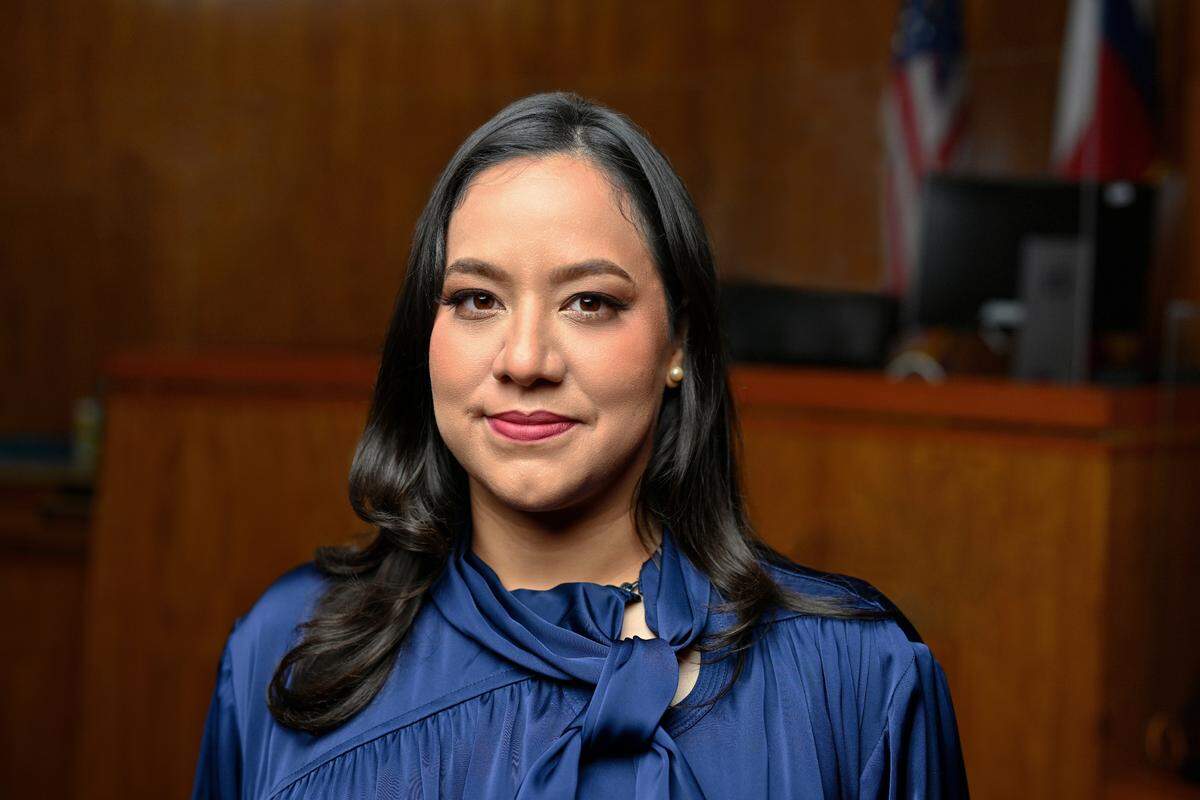
We recommend Texans vote for Democrat Rochelle Garza for AG.
Garza, 37, a Brownsville resident, is a civil rights attorney. She understands the important functions of the office, though she’ll need to dig into details on staffing and the budget to clean up Paxton’s messes.
She’ll also need to temper some zealous progressive views. In our interview, she focused intently on fighting the state’s abortion ban, such as by protecting women’s rights to travel to get the procedure. Nothing wrong with that, but she would have to refrain from bogging down on that or any other cause.
Even those who disagree with her on some issues should embrace the chance to bring integrity back to such a vital office. And on core issues such as child support and protecting the public’s right to government information, Garza would be a vast improvement.
“I want to bring transparency back to the office,” Garza said, a welcome contrast to the way Paxton has subverted open records requests.
The attorney general is elected to a four-year term. Early voting runs Oct. 24-Nov. 4. Election Day is Nov. 8.
BEHIND THE STORY
MOREHey, who is behind these endorsements?
Members of the Editorial Board, which serves as the Fort Worth Star-Telegram’s institutional voice, decide candidates and positions to recommend to voters. The members of the board are: Cynthia M. Allen, columnist; Steve Coffman, editor and president; Bud Kennedy, columnist; Ryan J. Rusak, opinion editor; and Nicole Russell, opinion writer.
Members of our Community Advisory Board may also participate in candidate interviews and offer their views, but they do not vote on which candidate to recommend.
Read more by clicking the arrow in the upper right.
How does the process work?
The Editorial Board interviews candidates, asking about positions on issues, experience and qualifications, and how they would approach holding the office for which they are running. Board members do additional research on candidates’ backgrounds and the issues at hand. After that, members discuss the candidates and generally aim to arrive at a consensus, though not necessarily unanimity. All members contribute observations and ideas, so the resulting editorials represent the board’s view, not a particular writer.
How do partisanship and ideology factor in?
We’re not tied to one party or the other, and our positions on issues range across the ideological spectrum. We tend to prefer candidates who align with our previously stated positions, but qualifications, temperament and experience are important, too.
This story was originally published October 21, 2022 at 5:31 AM.