
Step 1 for Tarrant’s awful juvenile justice system: How about judges show up for work?
You’ve probably heard the old saw that you can judge a society based on how it treats its prisoners.
So, what does Tarrant County’s treatment of its youngest offenders say about us?
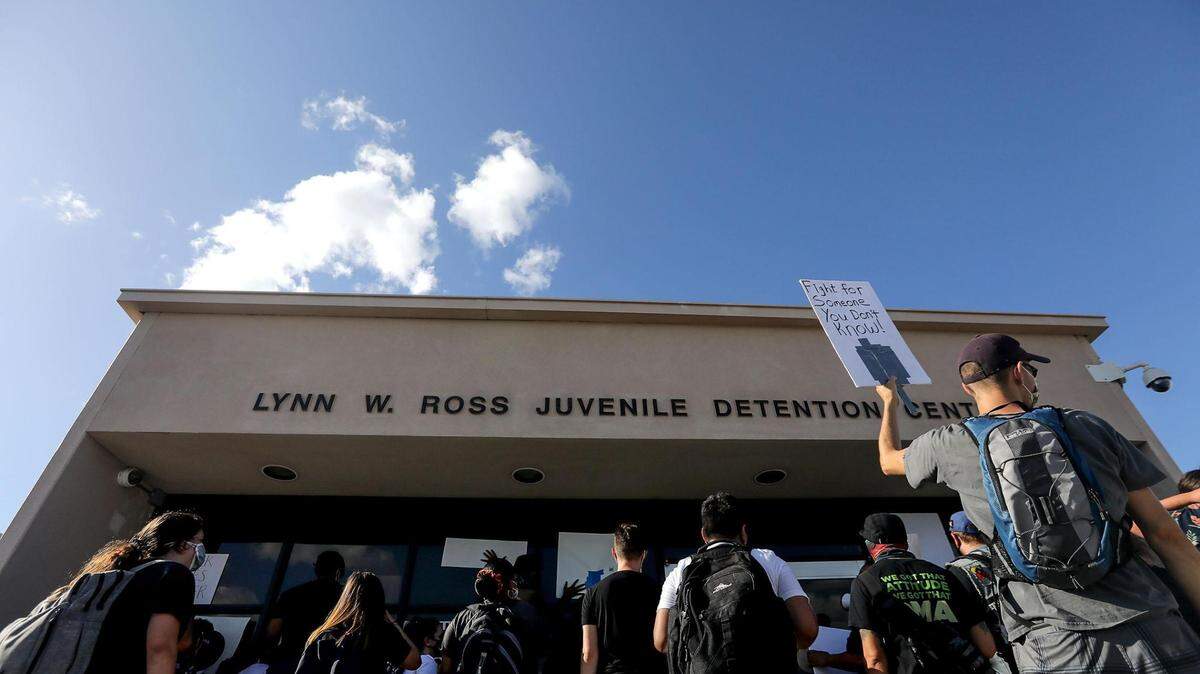
A new audit, launched as an inquiry into why the county juvenile detention center houses more children than intended, has revealed sweeping problems throughout the administration of juvenile justice. It cries out for immediate action at several levels, if not state intervention.
More children are being detained and for longer periods, some approaching a year, the audit found. Justice is so slow that insiders refer to two associate juvenile judges’ operations as “ghost” courts. More than 30 17-year-old detainees were sent to the Tarrant County Jail — and they were placed among the general population.
This is an all-too-common problem in Texas. One contributing factor to the crowded state of the Lynn W. Ross Juvenile Detention Center has been the state juvenile-justice system’s inability to accept more youths. Staffing in state facilities is so low, teenagers are living in a state of near-total lockdown. Round after round of attempted reform has fallen short.
The same is true of Texas’ foster care system, which a federal judge has held to be constitutionally inadequate. Texas continually fails troubled children, refusing to invest enough resources and attention to overcome the accumulated effects of child neglect and abuse.
In Tarrant County, the statistical oddity of having more detainees as overall cases drop, and keeping them longer, may suggest misguided attempts to be “tough” on juvenile crime. But the most maddening part of the audit, performed by longtime county and state juvenile justice official Carey Cockerell at the request of county commissioners, is the sheer incompetence it portrays.
Two associate judges under 323rd District Court Judge Alex Kim postponed or canceled more than six out of every 10 scheduled hearings in a random sampling of schedule days that Cockerell examined. Kim suggested to the county Juvenile Board that a COVID surge was to blame, an argument that the director of Juvenile Services strongly rejected.
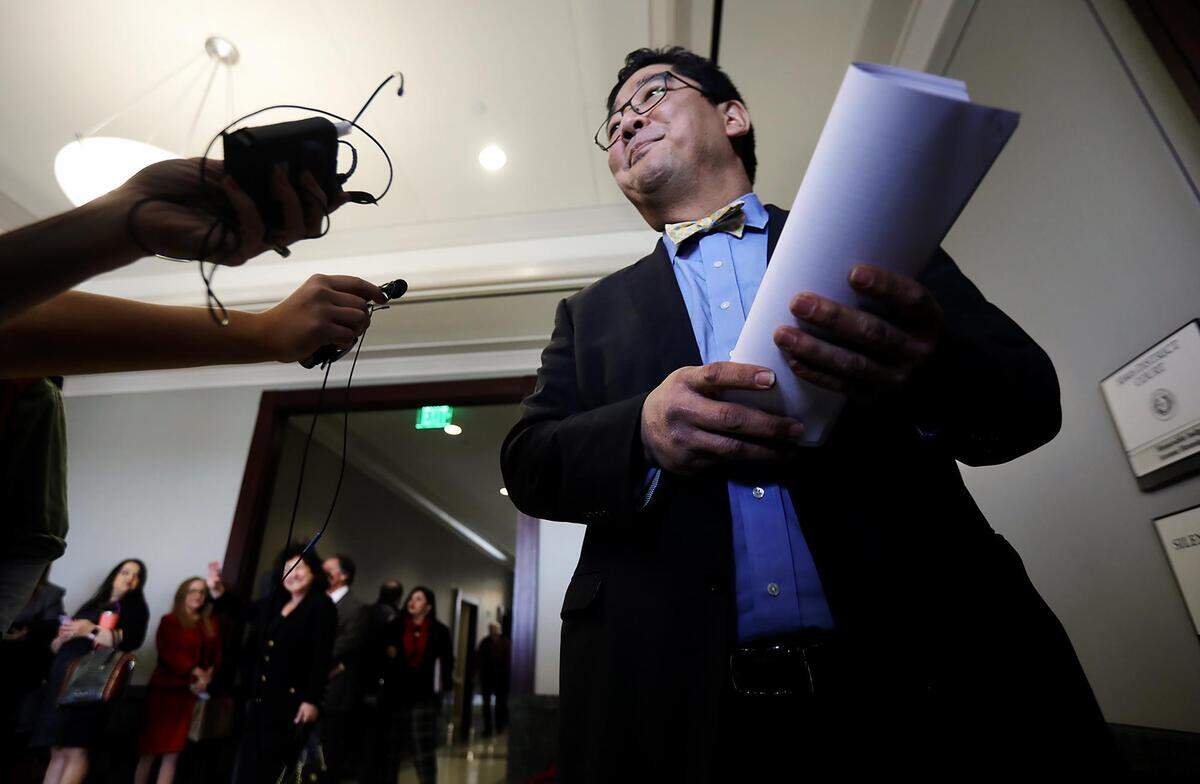
Taxpayers have come to expect a certain level of inefficiency in government, but this is beyond the pale. The associate judges, Andy Porter and Cynthia Terry, are appointed, but both are running for elected judicial positions this fall. County Judge Glen Whitley noted a dearth of court activity in February, prime campaigning time for the party primaries.
Voters should consider whether judges willing to contribute to the violation of youths’ constitutional rights and endanger the important work of rehabilitation are truly qualified for the bench.
Kim is up for re-election as well, and the list of problems in his tenure is long, including missteps that prompted judges to remove Child Protective Services cases from his court. Now, it appears Kim can’t ensure the basic operations that he’s hired to perform get done.
It will take a broad effort to fix the problems in the Tarrant juvenile justice system. Whitley and the Commissioners Court tried to move quickly by targeting the associate judges for removal, but it’ll take sustained attention to address the audit’s findings.
It must also include a review of the role played by the sheriff’s and district attorney’s offices. Each has tried to point the finger elsewhere; a spokesman for Sheriff Bill Waybourn said judges and the DA should answer for how 17-year-olds ended up at the jail. District Attorney Sharen Wilson, in a letter to the juvenile oversight board, blamed the court and rebuffed the audit’s questions about her office’s role in case delays.
Initial attempts to pass the buck are to be expected. But who’s willing to dig in and really address these issues on behalf of vulnerable children? If county officials don’t, voters will need to make this incompetence a high priority for fixing in November.
BEHIND THE STORY
MOREHey, who writes these editorials?
Editorials are the positions of the Editorial Board, which serves as the Fort Worth Star-Telegram’s institutional voice. The members of the board are: Cynthia M. Allen, columnist; Steve Coffman, editor and president; Bud Kennedy, columnist; Ryan J. Rusak, opinion editor; and Nicole Russell, editorial writer and columnist. Most editorials are written by Rusak or Russell. Editorials are unsigned because they represent the board’s consensus positions, not the views of individual writers.
Read more by clicking the arrow in the upper right.
How are topics and positions chosen?
The Editorial Board meets regularly to discuss issues in the news and what points should be made in editorials. We strive to build a consensus to produce the strongest editorials possible, but when we differ, we put matters to a vote.
The board aims to be consistent with stances it has taken in the past but usually engages in a fresh discussion based on new developments and different perspectives.
We focus on local and state news, though we will also weigh in on national issues with an eye toward their impact on Texas or the Dallas-Fort Worth area.
How are these different from news articles or signed columns?
News reporters strive to keep their opinions out of what they write. They have no input on the Editorial Board’s stances. The board consults their reporting and expertise but does its own research for editorials.
Signed columns by writers such as Allen, Kennedy and Rusak contain the writer’s personal opinions.
How can I respond to an editorial, suggest a topic or ask a question?
We invite readers to write letters to be considered for publication. The preferred method is an email to letters@star-telegram.com. To suggest a topic or ask a question, please email Rusak directly at rrusak@star-telegram.com.
This story was originally published August 19, 2022 at 2:27 PM.