
Is this awful summer heat the new normal? Here’s how Texas should prepare for the worst
This is already a sweltering summer, even for Texas. Based on the long-term projections of climate change’s effects, we’ll see more like it. It’s time for Fort Worth and Texas to better prepare.
Heat waves cause myriad problems for residents, food and the land. In the last 20 years, Texas trails only Arizona in heat-related deaths.
We need more aggressive water-conservation strategies. Construction plans should factor in even greater energy efficiency and heat deflection. Governments need to anticipate more people needing help to stay cool and afford their utilities. We demand better fire prevention strategies.
And yes, there’s work to be done to ensure our power grid can keep up.
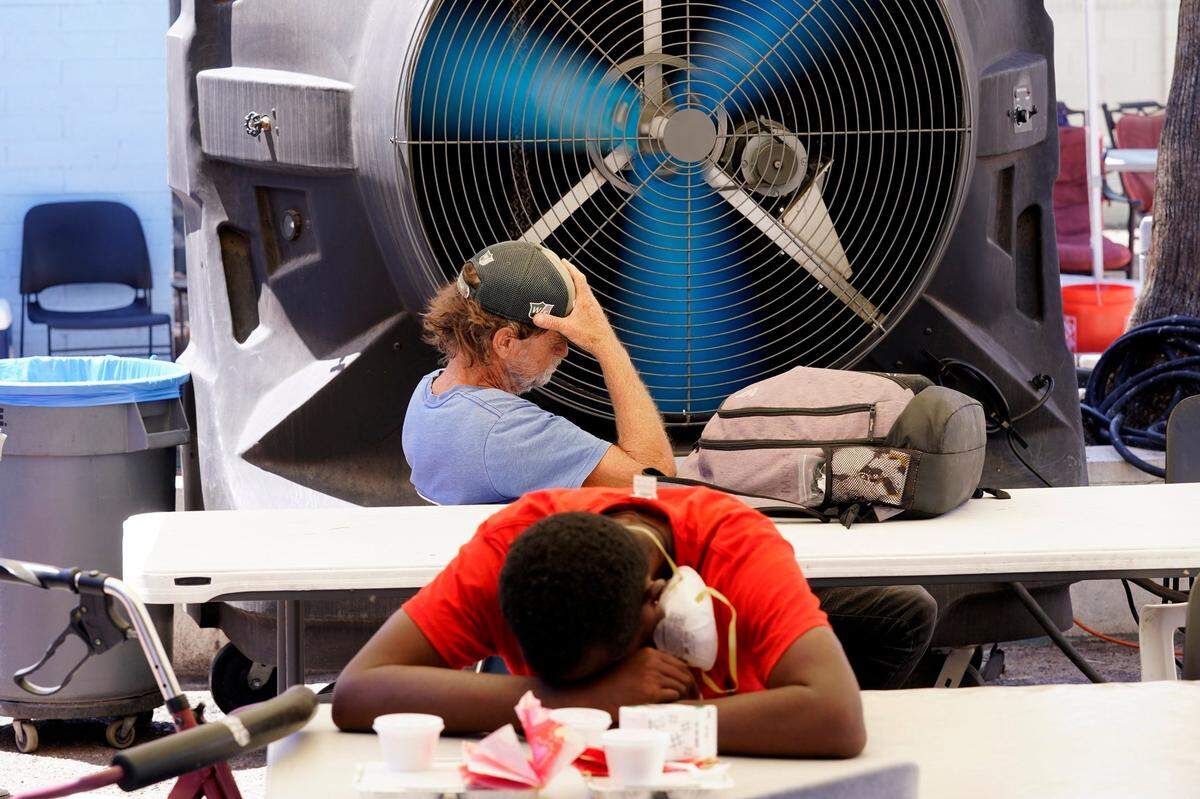
It’s slightly hotter in Phoenix, Arizona — we might consider learning from folks there. The mayor appointed a director of heat response and mitigation, someone who focuses solely on ways to handle extreme heat.
The position focuses on shielding residents from heat and developing long-term strategies to cool the city — two goals we undoubtedly share in the Dallas-Fort Worth area.
One is redesigning the city’s heat-trapping concrete landscape by planting more trees — a simple, cost-effective way to provide more shade. Phoenix also started implementing Cool Pavement in a handful of neighborhoods in 2020. It’s an asphalt coating, often applied to areas that already need preservation, that reflects more sunlight than normal so it absorbs less heat and offsets increasingly high nighttime temperatures.
So far, it’s going well. Cities here should consider a similar program, especially downtown and near parks.
In Las Vegas, another scorching city, residents take a few extra steps to summer-proof their homes. One thing often recommended there and rarely seen here is installation of energy-efficient window attachments, such as low-E films that block certain rays, tints and UV blockers. Such treatments keep some sunlight from entering, lowering temperatures inside your home and keeping that energy bill down.
Texans who work outside face the most heat exposure. At least 53 people have died working in the Texas heat since 2010. Regulations regarding temperature and work hours may help, but employers need to recognize the need for workers to rehydrate, seek shade and, if possible, shuffle hours to avoid the day’s worst heat.
Sadly there have already been at least two instances of children dying in hot cars in Texas this year, a common, tragic occurrence. The Texas Heatstroke Task Force communicates ways parents can avoid this fate. The biggest tip is for parents driving with small children in the backseat to place something vital they need with the child, such as a purse or wallet, to jog their memory that their child is with them — or to place something of the child’s up front with them, like a stuffed animal or water bottle.
According to the Texas Department of Public Safety’s 2018 Hazard Mitigation Plan, this extreme heat will cost agricultural workers an hour of daily productivity and reduce the yield of both cotton and corn. The annual losses could total about $400 million. The agricultural sector remains vital to Texas’ economy, and losses there will only contribute to our vexatious inflation.
When the power grid failed last year, among ERCOT’s many excuses was that the power grid wasn’t equipped to handle the cold; it was only designed for heat.
Now, in the middle of a Texas summer — one that’s hotter much earlier, true — the grid is still struggling. As long as heat drives record demand, we’re at risk of rolling blackouts. Power plants are struggling in the heat, skipping maintenance because they have been running nonstop. This can’t continue if temperatures remain the same. And if enough break down, there won’t be enough juice to satisfy demand.
Governments and businesses will need to plan for higher utility costs in the long term. And we’ll need to get creative and consider ideas that may have seemed silly before. Here’s one: Does Texas need more closed-in sports facilities? No one wants to pay for a domed football palace, but teams currently play nearly half the season in high heat.
If October increasingly becomes a summer month, athletes and fans alike may need the protection.
The school calendar, too, might need adjusting. Starting in August could be a huge strain if future summers match this one.
Heat is so common in Texas, we’ve learned to live with it and to relish the cooler months. But that may not be enough. We need to prepare ahead of time for increasingly blistering summers. No one in Texas should have to worry about going without air conditioning or dying of heat-related illness on their job.
BEHIND THE STORY
MOREHey, who writes these editorials?
Editorials are the positions of the Editorial Board, which serves as the Fort Worth Star-Telegram’s institutional voice. The members of the board are: Cynthia M. Allen, columnist; Steve Coffman, editor and president; Bud Kennedy, columnist; Ryan J. Rusak, opinion editor; and Nicole Russell, editorial writer and columnist. Most editorials are written by Rusak or Russell. Editorials are unsigned because they represent the board’s consensus positions, not the views of individual writers.
Read more by clicking the arrow in the upper right.
How are topics and positions chosen?
The Editorial Board meets regularly to discuss issues in the news and what points should be made in editorials. We strive to build a consensus to produce the strongest editorials possible, but when we differ, we put matters to a vote.
The board aims to be consistent with stances it has taken in the past but usually engages in a fresh discussion based on new developments and different perspectives.
We focus on local and state news, though we will also weigh in on national issues with an eye toward their impact on Texas or the Dallas-Fort Worth area.
How are these different from news articles or signed columns?
News reporters strive to keep their opinions out of what they write. They have no input on the Editorial Board’s stances. The board consults their reporting and expertise but does its own research for editorials.
Signed columns by writers such as Allen, Kennedy and Rusak contain the writer’s personal opinions.
How can I respond to an editorial, suggest a topic or ask a question?
We invite readers to write letters to be considered for publication. The preferred method is an email to letters@star-telegram.com. To suggest a topic or ask a question, please email Rusak directly at rrusak@star-telegram.com.
This story was originally published July 21, 2022 at 3:04 PM.