
Disabled woman’s treatment is another awful Tarrant jail story. Will anyone step up to fix it?
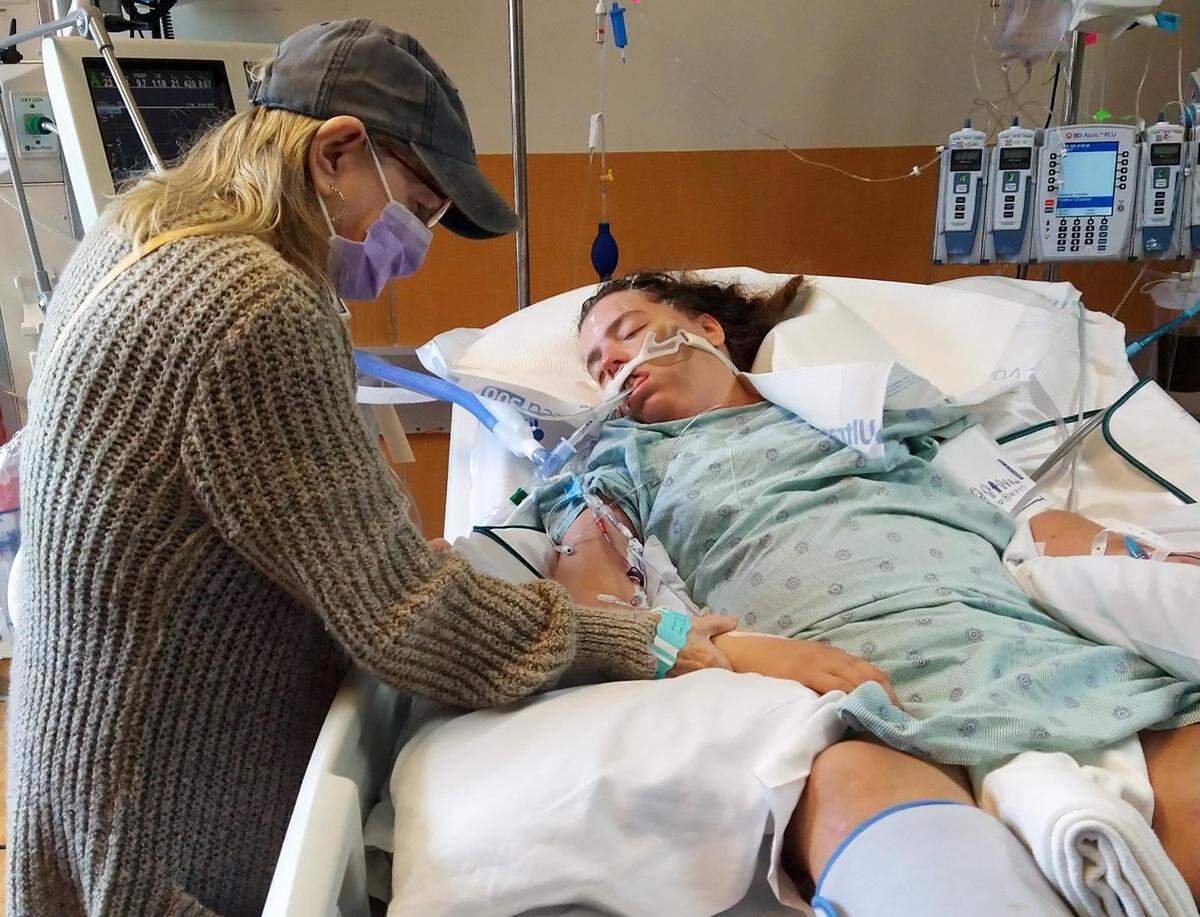
Instead of being home with her family, Kelly Masten is lying in a hospital bed in a coma, covered in bruises and suffering from a black eye and bleeding lip after 10 days at the Tarrant County Jail.
Masten, who is 38 but has the mental capacity of a 6-year-old and cannot communicate, was admitted to the jail April 11 after her grandmother, her legal guardian, called 911 when Masten bit her. She says officers promised her that Masten would be immediately transferred to John Peter Smith Hospital after a medical evaluation.
But she ended up in jail, untreated for a condition that causes violent seizures. Now, she’s fighting for her life.
Nothing about this tragic event makes sense. It represents broad failure by Fort Worth police and an escalation of the crisis at the jail that no one appears to be taking seriously enough.
Masten should never have been near the jail. Officers could have taken her to the hospital directly or involved protective agencies.
It should have been obvious to all involved that a domestic violence charge was preposterous.
Once at the jail, though, she was in danger of neglect and not being able to get the seizure medication her grandmother warned officers she would need.
Tarrant County’s jail has been troubled for months. More inmates have died here than in similar counties with larger jail populations. And Sheriff Bill Waybourn’s office consistently fails to be accountable and transparent to the public about what’s happening in the taxpayers’ jail.
It’s unclear exactly what happened to Masten, but her case was mishandled from start to finish.
She refused her medications and staff went along. An investigator from the Tarrant County Sheriff’s Office told Masten’s sister that state law prevents jails from forcing inmates to take medications. If that’s the case, jail officials should have promptly handed her over to medical professionals at JPS.
While in jail, she had at least one seizure that her father observed when he visited but could only communicate via webcam. Her family believes, due to the number of bruises that cover her entire body, she had multiple seizures and was at times held down and, at other times, left to her own devices.
By sheer incompetence, Masten’s name and birth date were wrong in the jail system, which complicated her medical needs even after she got to the hospital, her father said.
No doubt, Masten’s case is complicated. The fact that the situation devolved to the point that her grandmother sought law enforcement help shows the stress and fatigue that caregivers encounter, and possibly holes in the state’s system for helping such families.
Jail officers have a tough job, dealing with a disproportionate share of people with mental illness, addiction and delicate health conditions.
But once Masten was brought to them, they were responsible for her. And questions about what happened to her must be answered.
When Masten was taken to the hospital, briefly, after two days in jail, why didn’t she remain there? Records indicate she was housed alone and checked on, the sheriff’s office says, but how did medical professionals miss her obviously serious condition?
If everyone involved from the beginning, from patrol officers to jail officials and hospital employees, could not tell the best place for Masten was under constant medical supervision at a hospital or back home with her family, we hate to think what they will do when the circumstances aren’t so clear.
And fitting a pattern, none of this was disclosed by Waybourn’s office. Star-Telegram investigative reporter Nichole Manna dug into the case, and if not for that work, would taxpayers and county officials even know about it?
We’ve said repeatedly that county leadership needs to take a deep dive into the jail. Perhaps it’s happening behind the scenes. Or perhaps it’s too politically difficult to publicly question Waybourn, an increasingly popular Republican other GOP candidates seek out for support.
But if county commissioners don’t ask the right questions and demand transparency and accountability, state and federal officials will. And that will make what must ultimately happen — fixing the jail — more complicated and expensive.