
Why is Panther Island's price tag soaring?
After years of seemingly going nowhere, Panther Island is starting to take off.
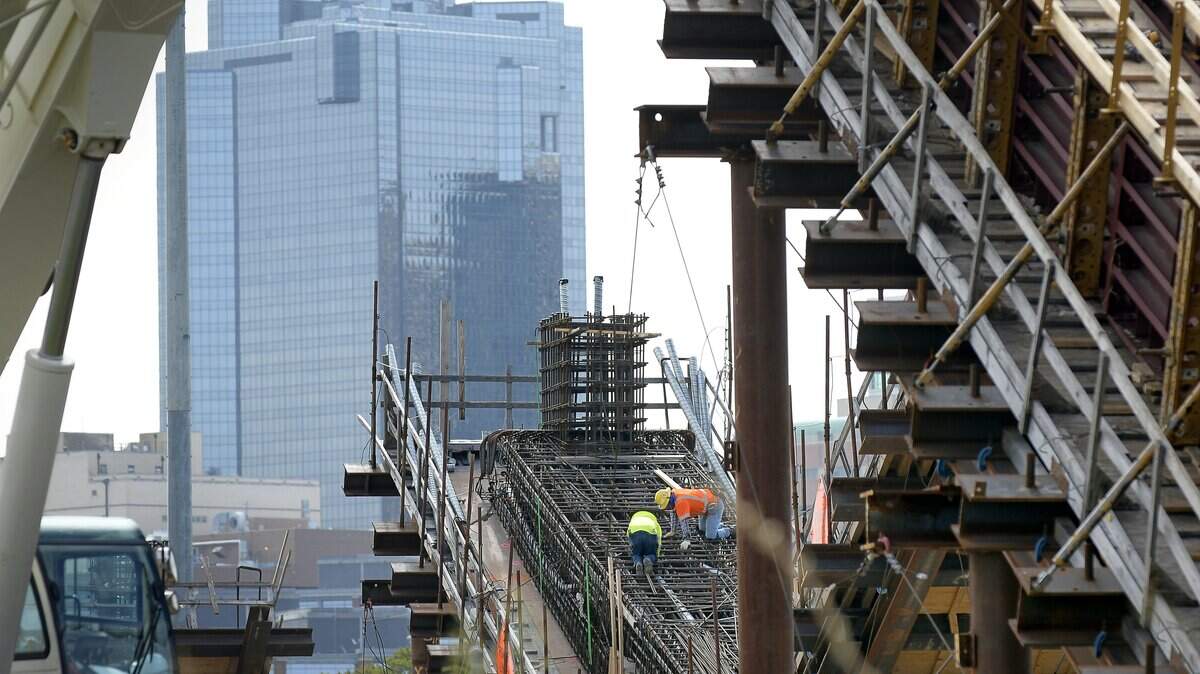
Construction on its three signature bridges is underway. It’s first major private development will break ground later this year. Work on the first canal will soon begin. It is an admittedly cool, transformational project designed to create new waterfront property and an attraction similar to San Antonio’s Riverwalk.
But a nagging question has always been how to pay for this 1,800-acre, sweeping flood control and economic development project. Its cost has climbed from $435 million in 2005 to the whopping $1.16 billion price tag announced in recent weeks.
To raise the money the Tarrant Regional Water District Board will decide Thursday whether to ask voters in May to approve a $250 million bond package on the May ballot. District officials say raising the money by taking out a long-term loan in the form of bonds would avoid a possible 6-cent property tax increase needed to keep the project on track.
This editorial board believes the project is good for Fort Worth, but we want more assurances about this funding approach. Show taxpayers why you believe these bonds can be paid back on time, and why they won’t be stuck with rate or tax increases to pay for them. And explain to all of us why the price tag keeps escalating.
Here’s what we know.
The district has been working once on the project originally called Trinity Uptown for more than a decade. It's being built with U.S. Army Corps of Engineers dollars and matching local funds.
The price jumped over the $1 billion mark after the water district discovered that post-Hurricane Katrina levee protection regulations require it to bore tunnels for utilities. Local officials also underestimated by $38 million the cost of new water, sewer and stormwater lines. The corps said no to another $95 million in other costs.
Then, there is the $87 million in natural gas lease money that the district planned to spend on Panther Island. That revenue stream has dropped from $30 million to $10 million a year because of lower natural gas prices.
Since Panther Island property owners would directly benefit from improvements made with bond money, they would be responsible for paying back the bonds through a tax-increment financing district (TIF). As property becomes more valuable within TIF boundaries, the increased tax revenue would be used to cover the loan and pay for new infrastructure.
Water district officials say there is more than enough money being generated to repay the $250 million in new bonds as well as a $200 million loan the district has already made for the project. Land that was selling for 50 cents a square foot several years ago is now going for $21 and more.
The alternative to finding new money is to slow down a half-completed project, something that would make Panther Island even more expensive.
The water district has been aware of Panther Island’s escalating bottom line for some time but the strategy of using bonds was only recently disclosed. This only inflames development critics who like to call this the boondoggle of all boondoggles.
As Panther Island takes shape water district board members must be more transparent about how much the project is really going to cost and how they plan to pay for it. And the board has to give taxpayers and voters assurance they aren’t gambling with public money.
This story was originally published February 14, 2018 at 4:04 PM with the headline "Why is Panther Island's price tag soaring?."