Bidens honoring Texas woman who fought to get abortion. Here’s a better idea | Opinion
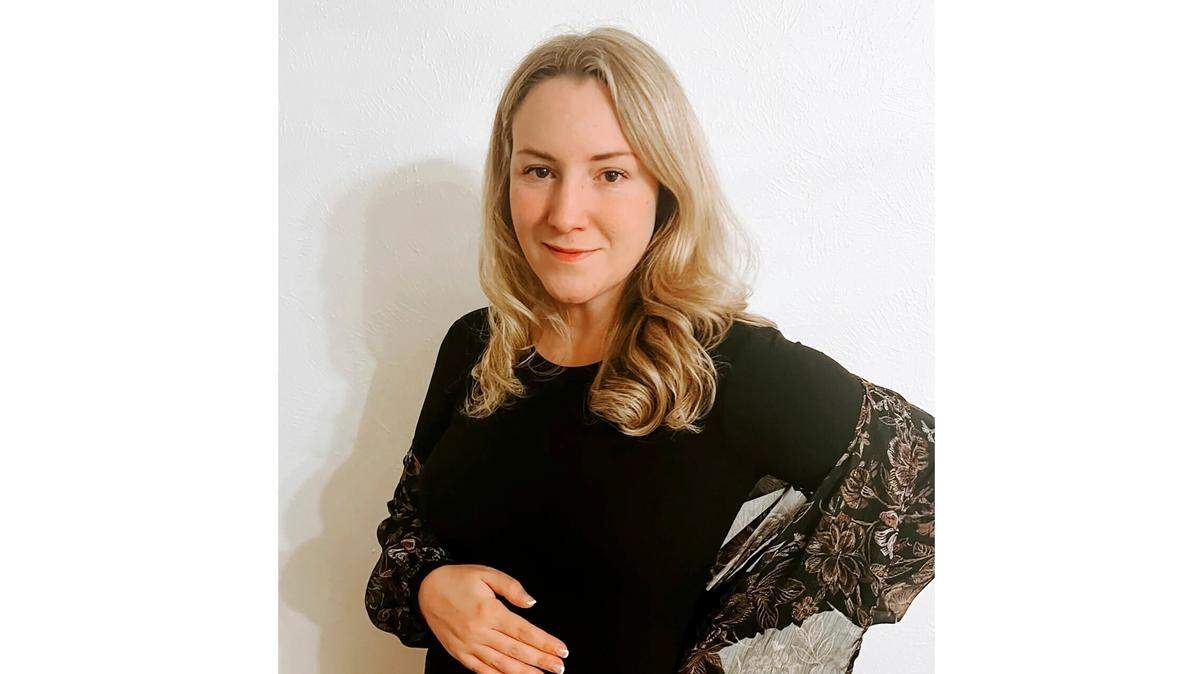
Last week, the White House announced that the president and first lady had invited Kate Cox of Dallas to join them as a guest during the State of the Union address.
Cox, of course, is the woman who challenged the state’s abortion law after her unborn child, at 20-week’s gestation, was diagnosed with Trisomy 18, a severe and usually fatal genetic abnormality.
The pregnancy was planned and wanted, Cox said, but because of previous cesarean deliveries and other complicating factors, it was also high-risk — something Cox surely understood before conceiving.
That risk, which according to her legal filings included premature cramping, leaking fluid and ultimately the possibility of uterine rupture during birth. But it was not further complicated by her child’s condition.
But after learning that the child would probably die either in utero or shortly after birth, Cox determined the risk was no longer worth it.
With the help of the Center for Reproductive Rights, she challenged the Texas abortion law on the grounds that her ruined pregnancy threatened her future health and fertility.
While a lower court ordered that she be able to receive an abortion in- state, the Texas Supreme Court ultimately ruled that her case did not meet the medical exception in the law.
Cox then left the state to receive an abortion, which at 20-weeks gestation is effectively dismemberment of a fully-formed baby.
In some ways, Cox is a very sympathetic figure.
Receiving a devastating diagnosis about one’s child is something many people can relate to, because countless have endured such tragedy themselves.
But Cox was not invited by the White House to honor her child’s tragically short existence or to bring awareness to rare genetic disorders. She will be there because she publicly sought to end her child’s life because the risk it posed to her own life (which was real but small) was, in her estimation, not worth it.
White House spokesperson Karine Jean-Pierre said that the Bidens agreed. Jean-Pierre explained how they were impressed by Cox’s courage in telling her story.
“It is important for Americans to hear the horror stories that we’re hearing from women of their experiences across the country,” she continued, referring to the legal barriers women face to the imagined right to end the lives of their undesirable progeny.
How strange and interminably sad.
Each day, thousands of women such as Cox face difficult fetal diagnoses and health challenges related to high-risk pregnancies.
And each day, thousands of those women courageously endure whatever heartache and adversity they are dealt — even threats to their own health — for the dignity of their unborn children.
What does it say about our society that we aren’t, instead, recognizing them?