Why did Dallas Mayor Johnson switch parties? What it says about big cities’ needs | Opinion
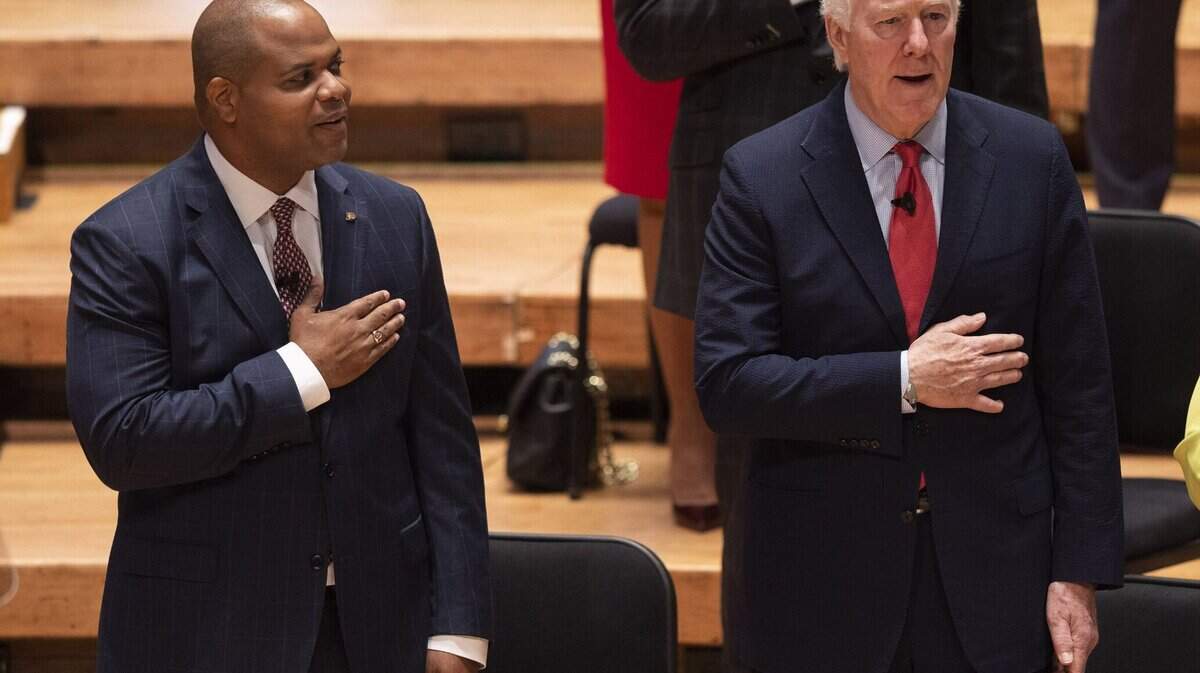
Fort Worth lost one of its most notable political distinctions Friday: it is no longer the nation’s largest urban center with a Republican mayor.
In what might come as a bit of a surprise, that title now goes to Dallas, Fort Worth’s slightly more flashy and traditionally more progressive sister to the east.
Announcing his political conversion in a column written for The Wall Street Journal, Dallas Mayor Eric Johnson was blunt about his reasons.
“The future of America’s great urban centers depends on the willingness of the nation’s mayors to champion law and order and practice fiscal conservatism,” not the poll-driven politics and virtue-signaling that Johnson attributes to Democratic leaders.
“In other words,” he continued, “American cities need Republicans, and Republicans need American cities.”
Those are astonishing words from a man who drew no major opponent for re-election and won more than 90% of the vote in Dallas County, where President Joe Biden won by more than 30 points less than three years prior.
Still, a close watcher of Johnson might have seen this coming — or at least not find his political change of heart so shocking.
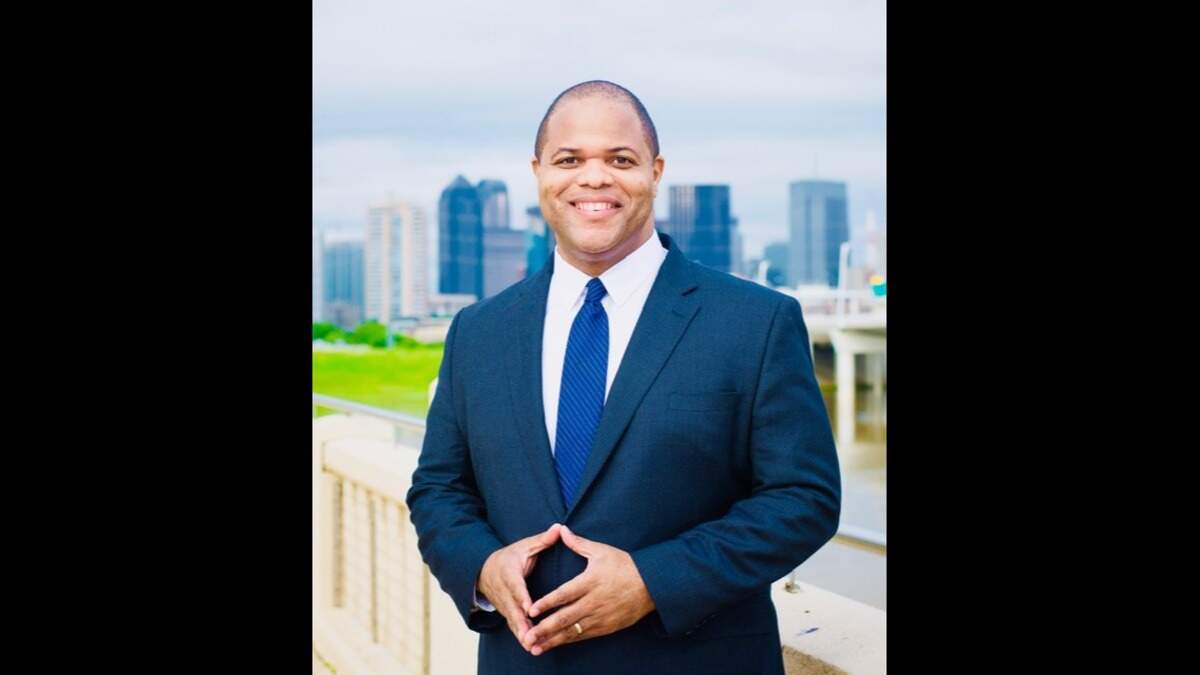
Johnson has solid Democratic bona fides — he served as a Democratic member of the Texas Legislature, albeit a moderate one, for almost a decade. He has strong ties with storied constituencies such as the NAACP. But Johnson has spent his tenure as mayor championing causes more commonly associated with conservatives.
Like Fort Worth, Dallas has a city council/city manager form of government. But Johnson has been effective in setting priorities and using the bully pulpit to direct policy.
For example, reducing the crime rate, which peaked in 2019 as Johnson began his first term, has been a major priority for Johnson.
Johnson is no fan of the “defund the police” movement, popular among many of his progressive peers. Instead, he’s supported smarter policing, and under his leadership, the city has made substantial progress.
His Task Force on Safe Communities has employed a data-driven approach to identifying and targeting high-crime areas, addressing crime-drivers, like poverty and failing infrastructure, and practicing “focused deterrence.”
According to an analysis in D Magazine, the approach has reduced both crime and arrests, the latter down 19 percent since 2020.
Perhaps as important is the public perception of safety. That, too, has improved. A recent Gallup poll found a whopping 74 percent of those polled said Dallas is safe; they even ranked it the safest of America’s 16 largest cities.
Most surprising is the finding that more Republicans (75 percent) than Democrats (74 percent) said Dallas was safe.
Crime and safety aren’t the only issues on which Johnson appears more conservative than his past party affiliation would suggest. He’s also been a huge proponent of increasing business investment, reducing city spending and cutting taxes.
Johnson fought (unsuccessfully) to reduce Dallas’ high property tax burden, which he argued would most benefit lower-income Black and Latino residents.
Whether that recent policy battle lost is what ultimately drove Johnson to cross the political Rubicon, only he can say.
But it’s clear that America’s big cities are floundering after decades of progressive policies, and their urban leaders are being forced to concede the limits of continuing down the same path.
To wit, with New York City’s budget buckling under the pressure of a migrant surge, mayor Eric Adams sounds more and more like his conservative peers when it comes to immigration.
San Francisco mayor London Breed has taken a conservative-sounding tough-on-crime approach to city safety in the wake of her re-election battle.
Houston mayor Sylvester Turner told The New York Times he didn’t perceive Johnson’s change as the start of any movement by urban leaders, particularly African American leaders, to jump to the GOP. (Both Johnson and Turner are Black.)
Maybe not, but in a political climate as wacky as the one we’re in, stranger things could certainly happen.
And it remains to be seen what flavor of Republican Johnson will be.
He’s a no-go on issues like abortion. During his time in the Legislature, he consistently received 100 percent approval ratings from abortion rights groups. There has been no indication of a change of heart on that front.
But the Texas GOP is big and diverse, and its demographics are shifting. The party has its share of problems, not the least of which is the internal divide caused by the impeachment trial and acquittal of Attorney General Ken Paxton.
If Johnson is seeking higher office in Texas, he’s surely going to navigate that morass and pick a faction sooner or later. That will, no doubt, be interesting to watch.
Party affiliation aside, it should be a great encouragement for Texas conservatives to see their values applied successfully to policymaking endeavors in big, traditionally progressive cities like Dallas. And it’ll be even more encouraging to have urban leaders such as Johnson defend them.
This story was originally published September 25, 2023 at 12:02 PM.