Justice, then radical forgiveness are what Fort Worth needs after Aaron Dean trial
It would be cliche to say the morning after the manslaughter conviction of former Fort Worth police officer Aaron Dean was a new day, especially for those who loved his victim.
Atatiana Jefferson is still gone.
The trauma her family and community experienced is still raw and real. And their relationship with the police, still fragile and tenuous.
But some measure of justice has been achieved, even if it does not satisfy everyone’s hoped for outcome.
Some measure of accountability has occurred, even if more is needed.
Some level of healing must now begin.
Dean, whose sentencing is likely to come Monday, will probably serve prison time for his actions. Indeed, he should.
In a community where the broader pro-police sentiment is strong, that outcome is nothing to shrug about.
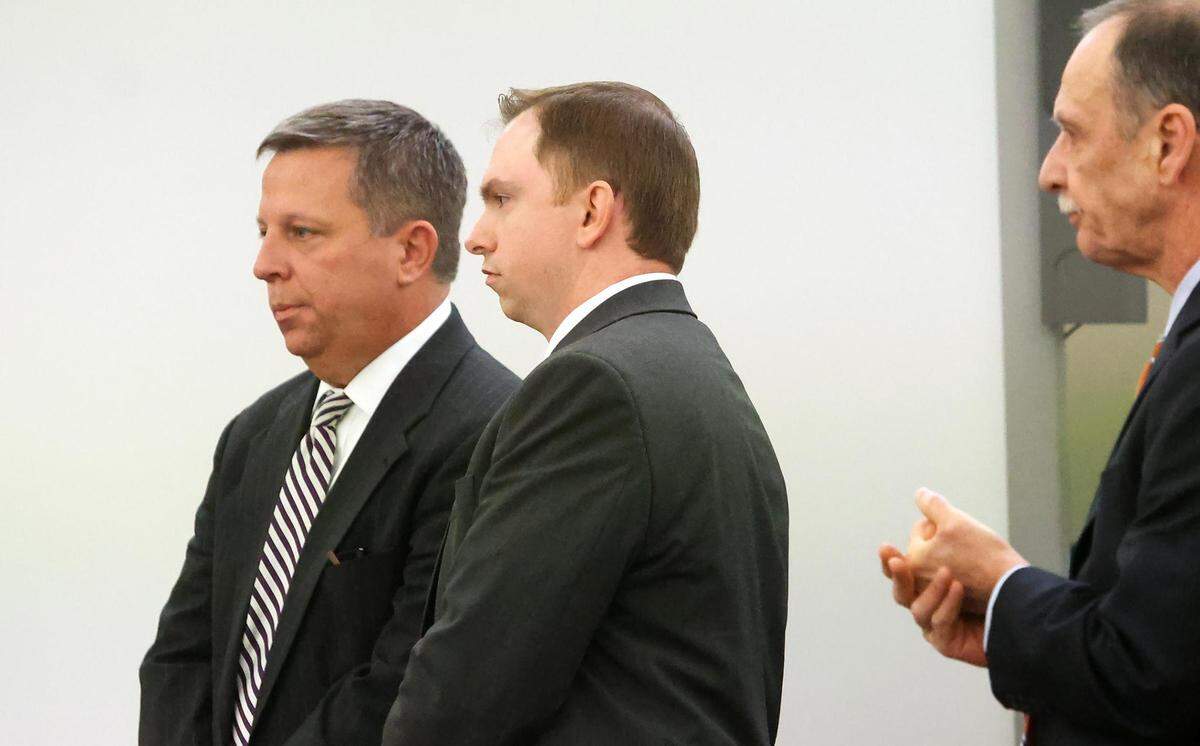
Unlike other high-profile police-involved killings from around the nation (most notably the death of George Floyd), Dean did not appear to be motivated by animus.
He testified at his trial that when he shot Jefferson through the window of her own home in October 2019, it was because he was in fear of his own life.
It was an insufficient defense given his training, what we understood about the circumstances at the time and what we have since learned about that night.
Dean and his partner were responding to a call at Jefferson’s home from a concerned neighbor who observed open doors at the house. Dean said he mistook Jefferson for a burglar when he saw her, through a window, point a gun at him.
Jefferson, of course, had every right to do so, particularly since Dean did not announce himself before discharging his weapon.
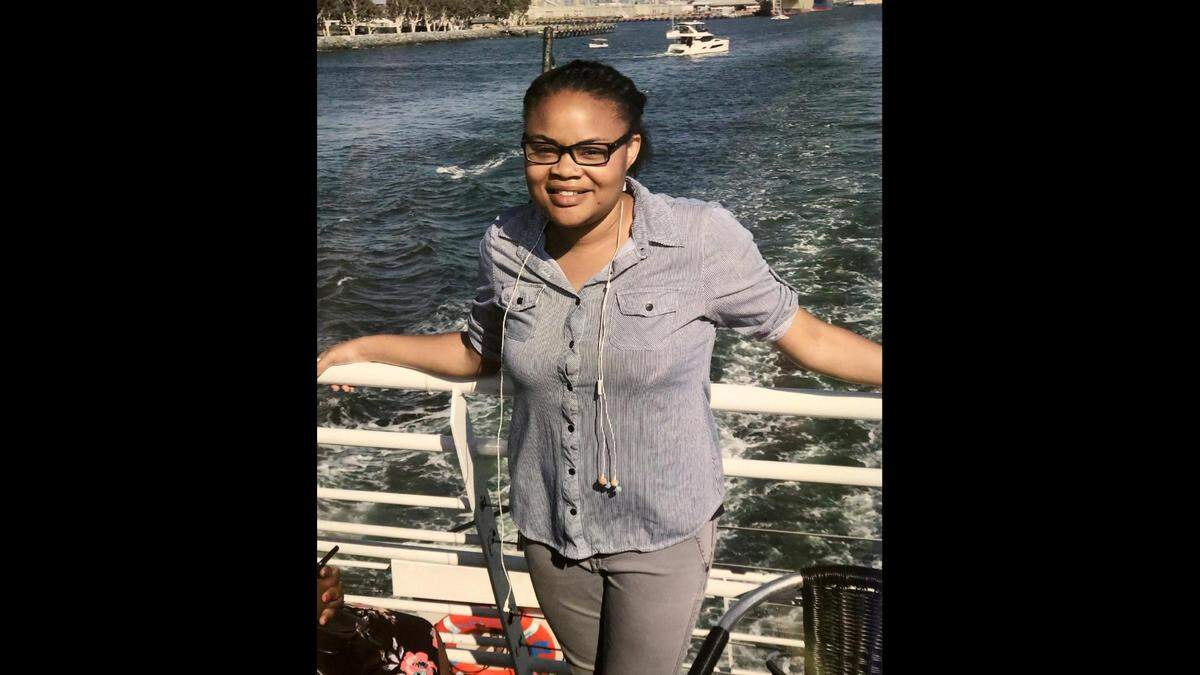
It’s not lost on anyone that Jefferson probably assumed the same thing Dean did: that she was in danger.
Yet, acting as a mama-bear to the nephew in her charge that night, she possessed more wisdom and self-restraint in her final moments than the trained law enforcement officer charged with the community’s protection.
Indeed, Jefferson is the most relatable of victims, especially to other women.
Young and ambitious, she was shot to death in her own home, doing what any mom, grandma, aunt or sister would have done — trying to protect herself and the child in her charge.
She was not only innocent in her actions, she was justified: acting in her own self-defense in a place where we all assume we’re safe from harm, most especially from the deadly force of a police officer’s gun.
The facts of the case were somewhat reminiscent of the shooting death of Botham Jean by off-duty Dallas cop Amber Guyger.
Jean was shot in his apartment by Guyger, who said she had mistakenly entered the wrong apartment, thinking it was hers and believing Jean to be an intruder.
Jean, however, was unarmed and Guyger was not responding to a call, important differences that probably account for the difference in the case outcomes.
Guyger was convicted of murder and is serving a 10-year sentence. The conviction was upheld on appeal this year.
Her conviction as a police officer was significant. The same is true in Dean’s case.
And Guyger’s sentence is likely to serve as a guide for Dean’s.
But there is something greater to be learned from the outcome of Guyger’s trial, particularly as we move forward after Dean’s.
During her sentencing, Jean’s brother forgave Guyger for the murder and embraced her in a moment that stunned and moved the courtroom.
It may be cliche to suggest, especially in the immediate aftermath of Dean’s trial, but that kind of radical forgiveness will be necessary in the weeks, months and years ahead.
It will not come easy, and it will need to be combined with increased accountability.
But our community will not heal without it.