Most Fort Worth churches are not super-spreaders of COVID-19. Let’s keep them open.
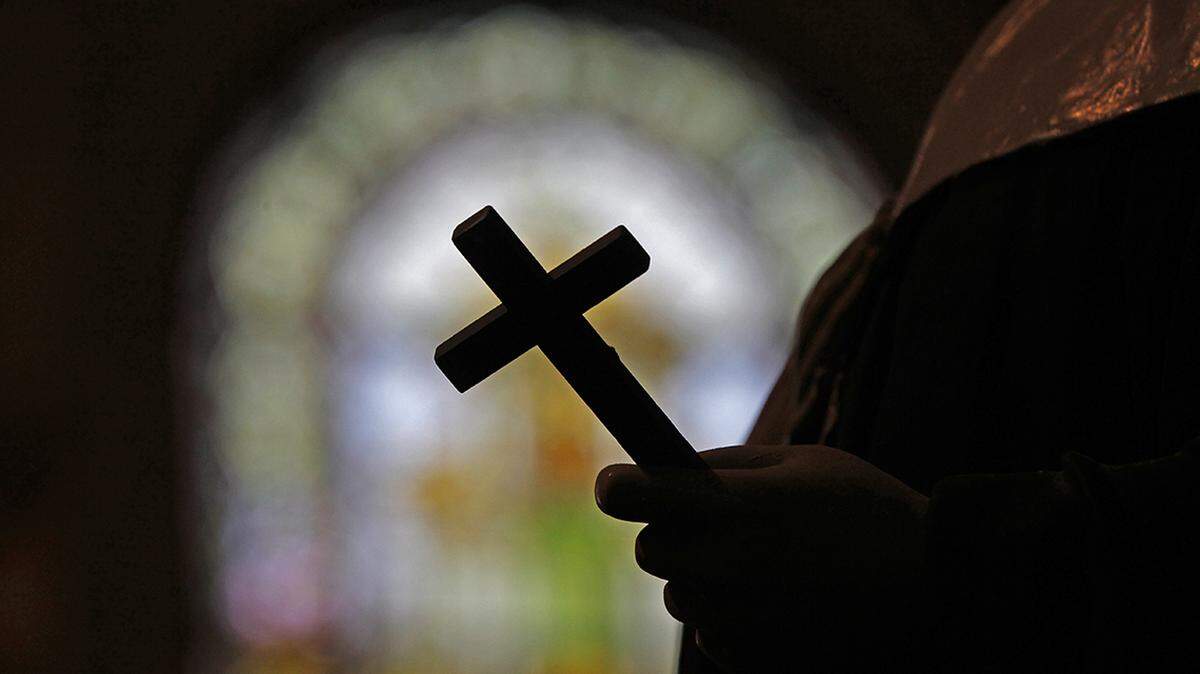
Since the beginning of the pandemic, churches and other houses of worship have had the tough job of keeping people faithful, hopeful and spiritually connected in a time of unprecedented physical isolation.
And since the pandemic began, they have been a particular target of public ire and in some cases government regulations, that have singled them out as being dangerous sources of community spread.
Much like the early fears about children being vectors of disease, the sense that churches would play an outsize role in spreading COVID had some merit.
Reports of a Washington state church choir rehearsal that resulted in about 60 COVID cases back in March sowed early fears.
And the defiance of some churches, albeit few and far between, to adhere to public health guidelines, in some cases causing outbreaks, fed convenient media narratives about the dangers of religious zealotry.
But almost a year into the pandemic, the thinking that churches, more than other institutions, businesses or events, are causing spread seems more borne out of fear and prejudice than fact.
A July New York Times story called churches a significant source of spread, identifying more than 650 cases linked to churches nationwide. But by that time, there were nearly 3 million reported cases in the U.S., rendering 650 demonstrably and statistically insignificant.
Indeed, many religious leaders recognize the importance of taking the virus seriously, and view the health and safety of their flocks as a personal responsibility.
That has been true from the get-go with one of Tarrant County’s largest church communities, Christ Chapel.
“I can’t speak for all churches,” said Executive Pastor Dr. Bill Egner, “but we have not been the source of any super spread for sure.”
In March, his church’s leadership commissioned a task force that included a physician and a public health expert to develop a safety plan and protocols for Christ Chapel’s three campuses and substantial congregation.
Since re-opening their facilities to limited-capacity in-person services in June, they have followed all guidelines recommended by the CDC, including distancing, mask requirements and frequent surface cleaning.
And since Christ Chapel utilizes digital ticketing for services, it has been able to quickly and efficiently notify service attendees of possible exposure, in the remarkably few cases they have encountered.
“We encourage people to follow the rules,” said Egner who added that they have found virtually 100 percent compliance on campuses.
The Roman Catholic Diocese of Fort Worth has seen a similar rate of compliance with its stringent safety protocols practiced at the diocese’s 91 parishes and 19 schools.
According to spokesman Pat Svacina, there have been no cluster outbreaks within any parish community and only 106 positive cases documented within the church community since July 4, 2020 — none of which resulted in a known transmission of the virus during mass.
The successful management of COVID risk for large religious congregations probably has a lot to do with approach — not just in terms of what church leaders request of congregants, but of what the government requests of churches.
Egner said that early during the pandemic, Gov. Greg Abbott sent a letter to church leaders asking them to help slow the spread by going virtual. The board of elders gladly agreed until they could get safety protocols in place.
But Abbott’s approach, requesting instead of demanding, was a factor in that decision.
Indeed, Texas has successfully avoided the kind of government encroachment on religious practices that led the Supreme Court to ban New York from unfairly singling out religious communities with heightened restrictions.
With a vaccine still months away from mass distribution and cases on the rise, let’s hope the Texas approach to religious institutions doesn’t change.
Because there is plenty of evidence that churches can and are keeping congregants safe. Keep them open.