This Fort Worth charity helps people get out of poverty even amid COVID-19 recession
The COVID-19 era has been one in which numbers and data loom large in our daily lives, and many of them are discouraging or downright depressing.
The number of COVID-19 fatalities.
The number of jobs lost due to lockdowns.
The number of students who are failing in a virtual learning environment.
But here’s a number that offers some hope: 99.
That’s how many families Catholic Charities Fort Worth has helped get out of poverty this year.
Those families have newly met the organization’s “out of poverty” benchmarks: a job with a living-wage income; adequate savings; no inappropriate debt; and freedom from all government assistance. And they did so despite the economic and personal hardships the pandemic has caused.
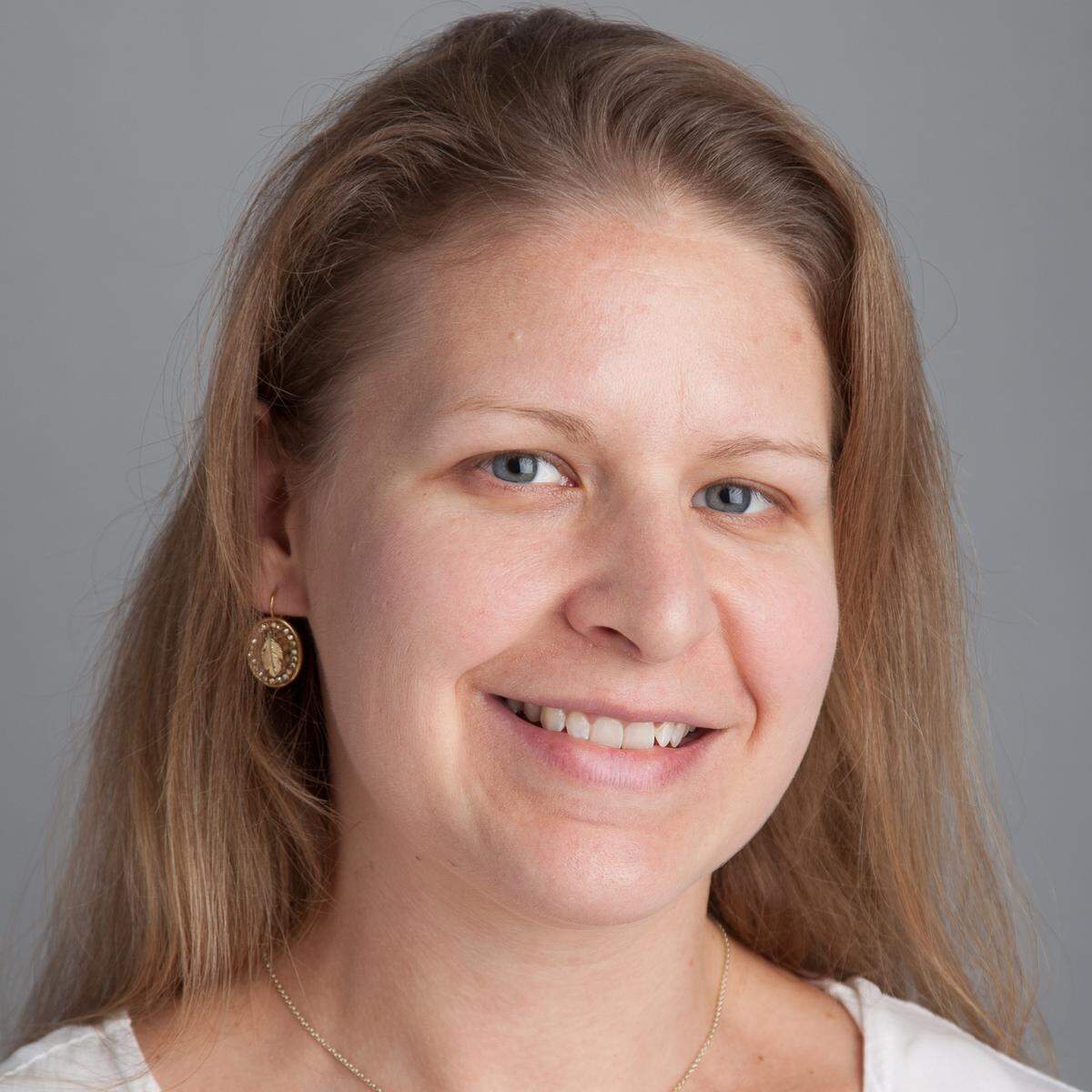
That’s nothing short of remarkable, but it’s all in a day’s work for Director of Client Navigation Judith Alexander Priest and Director of Client Services Cindy Casey, who manage the short and long-term programs that make financial independence possible.
Of course, Priest and Casey are the first to acknowledge that the pandemic has created a lot more work for Catholic Charities.
Since April, its call center has experienced a dramatic increase in people seeking emergency assistance.
According to Priest, pre-pandemic call volume was about 70-80 per week. Now, the organization averages 280-300 calls per week, mostly from people seeking housing assistance, though food and employment services run a close second.
“We definitely see more barriers for clients,” Priest said. “Many people calling for help are folks who have never called in before.”
Sometimes clients don’t know what they need, and further problems are discovered once the intake process begins, she added.
But staff is more determined than ever to help clients — and help they have.
In the last eight months, through its community care center Catholic Charities has served more than 7,746 individuals and families.
To that end, the nonprofit launched a short-term case management program to support emergency clients for up to six-months, providing service referrals, temporary financial assistance, transportation and childcare services and budgeting assistance to help them through the economic crisis.
So far, 490 clients have been served, with about 20 new referrals coming in each week.
But the organization’s mission runs much deeper than providing emergency aid. Its long-term case management programs, such as Stay the Course and the Padua Project, holistic and transformative in nature, support clients in all areas of life — emotional, social, education, parenting — to increase their chances of beating poverty for good.
These programs require a significant commitment from clients, usually two to four years, although Casey says one client just “graduated” in eight months, a timeframe she called “extraordinary, especially during a pandemic.
At least 86 clients from short-term case management have opted into one of the long-term programs since April, a circumstance that Casey says is one of the predictors of success.
One of the bigger surprises has been that during the pandemic, fewer participants have left the programs before achieving their goals.
“This time has allowed people to focus in more intentionally on what they want,” said Casey, who added that the move to virtual client meetings has reduced hurdles for some clients already juggling busy schedules.
Casey and Priest both know that until the virus subsides, the schools remain open and the economy recovers, Catholic Charities will see increased need in the months and years ahead.
But they said their organization is prepared to meet the challenges and further increase the number of Fort Worth families who have conquered poverty.
For information about how you can support Catholic Charities Fort Worth, please visit www.catholiccharitiesfortworth.org.
This story was originally published November 24, 2020 at 1:08 PM.