How Tejano heroes and Corona beer made all of America celebrate Cinco De Mayo
Cinco de Mayo is about a third-generation Texan’s heroism.
Not about beer.
Or that’s how it was until 1989, when Texas entrepreneurs took hold.
Today, Texans are in the middle of the debate over whether Mexico’s 1862 battlefield victory over the French should be remembered with solemn reverence or drunken revelry.
If nothing else, we can agree that Cinco de Mayo is truly a Texas import.
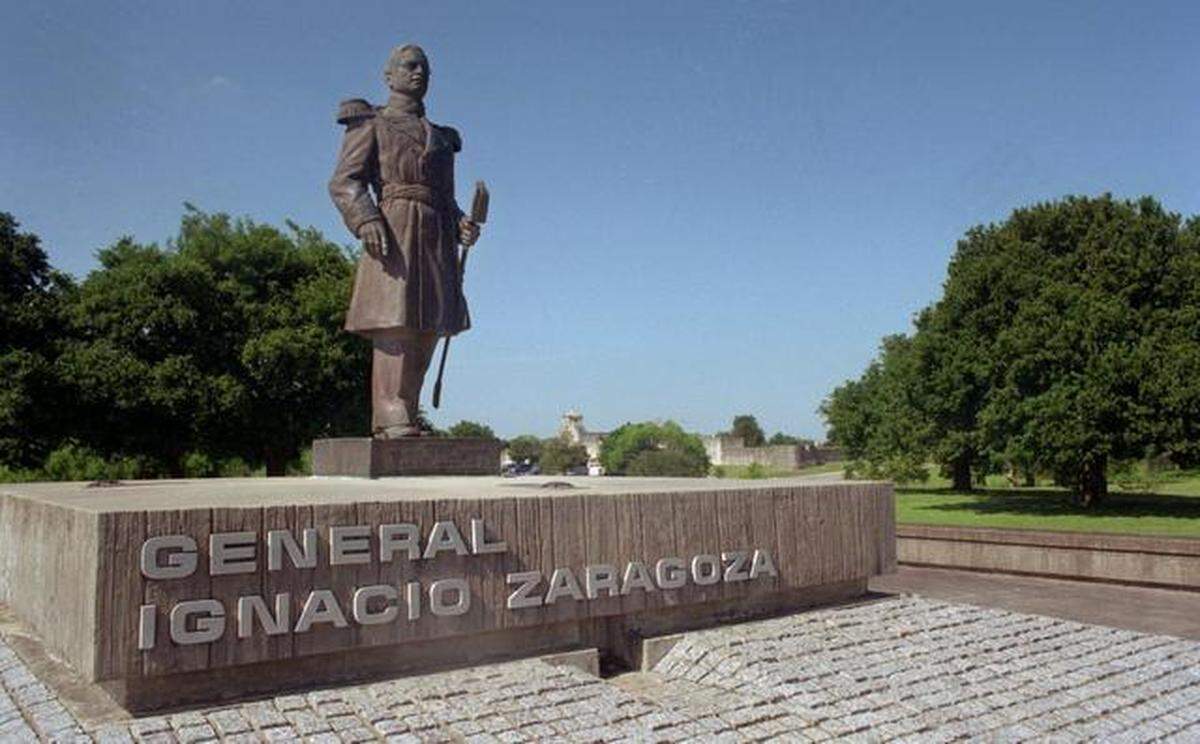
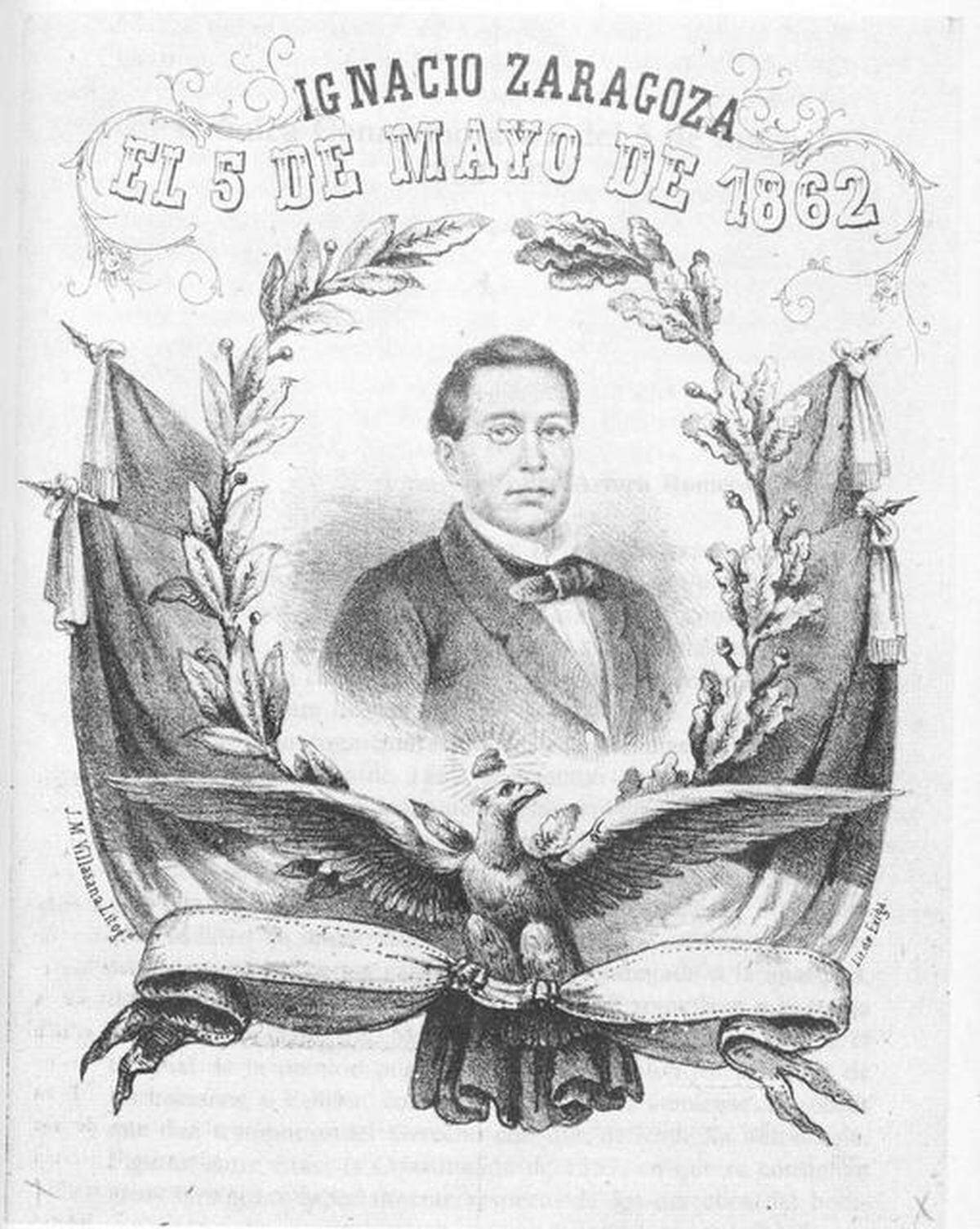
Texas-born Gen. Ignacio Zaragoza and Texas Revolution hero Juan Seguín commanded an outmanned army of Mexicans and Tejanos to chase the invading French away from Puebla, Mexico, forever giving underdogs hope and beer a marketing campaign.
In 2014, a San Antonio student at Dartmouth College in New Hampshire objected to a fraternity-sorority Cinco party called a “Phi-esta.” She was objecting to the whole idea of “drinko of Cinco” and a holiday where foam washes away heritage and Zaragoza’s heroism.
Turns out Texans were behind that, too.
The San Antonio-based Gambrinus Co., then regional importers of Corona and other Grupo Modelo beers, launched an ad theme in 1989 that flourished with TV commercials from the Dallas-based Richards Group.
In 1993, Gambrinus marketing director Ron Christesson told Modern Brewery Age magazine that Cinco is “becoming one of the beer industry’s biggest promotions.”
By 2006, Gambrinus marketing manager Don Mann said, “Corona is the first thing that comes to mind when customers think Cinco de Mayo.”
That’s exactly what Dartmouth student Daniela Hernández of San Antonio was concerned about when she complained about an Alpha Phi-Phi Delta Alpha “Phi-esta” with burritos, daiquiris and guacamole.
A university of privilege like Dartmouth should not allow the “cultural appropriation” of Cinco as a drinking holiday and the “exploitation of groups of people and cultures for the sake of business opportunities,” she wrote.
The sorority and fraternity presidents canceled the event, sparking nationwide complaints after some news channels falsely described Hernández’s complaint as involving the fiesta pun instead of the caricatured drinking party.
In the Texas town now named Goliad, where Zaragoza was born in the old Presidio La Bahía, the Fiesta Zaragoza includes a bike ride and run, a scholarship barbecue cook-off, Ballet Folklórico performances and a visiting delegation from sister city Hidalgo, Mexico.
“Most people hear ‘Cinco’ and all they think is ‘party,’ ” said Sherry García of the General Zaragoza Society.
Zaragoza’s family was already in San Antonio during the American Revolution. At Puebla, he commanded a force that included Seguín and a brigade of Tejanos, helping Mexico fight the French and indirectly lifting Union hopes in the middle of the Civil War against Texas and the Confederacy.
“People don’t really know the history of it,” García said.
“For us, it’s about building community. But we have no problem with anybody enjoying a good time.”
California writer Gustavo Arellano, author of the syndicated “¡Ask a Mexican!” column and the book Taco USA: How Mexican Food Conquered America, has laughed off the holiday as “Gringo de Mayo” and joked that since the French later occupied Mexico for four years, there’s cause to drink.
Arellano joked by email Friday that he appreciates Hernández’s vigilance against “Mexploitation.”
But trying to stop Anglos from getting silly over Cinco de Mayo “is like trying to stop a Mexican from eating more than one taco,” he wrote.
Or a Texan.
This story was originally published May 3, 2014 at 4:01 PM with the headline "How Tejano heroes and Corona beer made all of America celebrate Cinco De Mayo."