World Cup crowds love ‘Dallas’ Stadium. Now, fix Collins Street | Opinion
AI-generated summary reviewed by our newsroom.
- Visitors are mostly staying in the stadium area around Texas Live!, 7-Eleven and Walmart.
- North Collins Street is Farm Road 157, a five-lane, dilapidated highway gateway.
- Downtown businesses, like Rocketbelly, report empty streets and falling sales.
Arlington calls itself the American Dream City, and it’s living one.
The city that 26-year Mayor Tom Vandergriff described as the “center” of North Texas is just that, at least for the month-long FIFA World Cup.
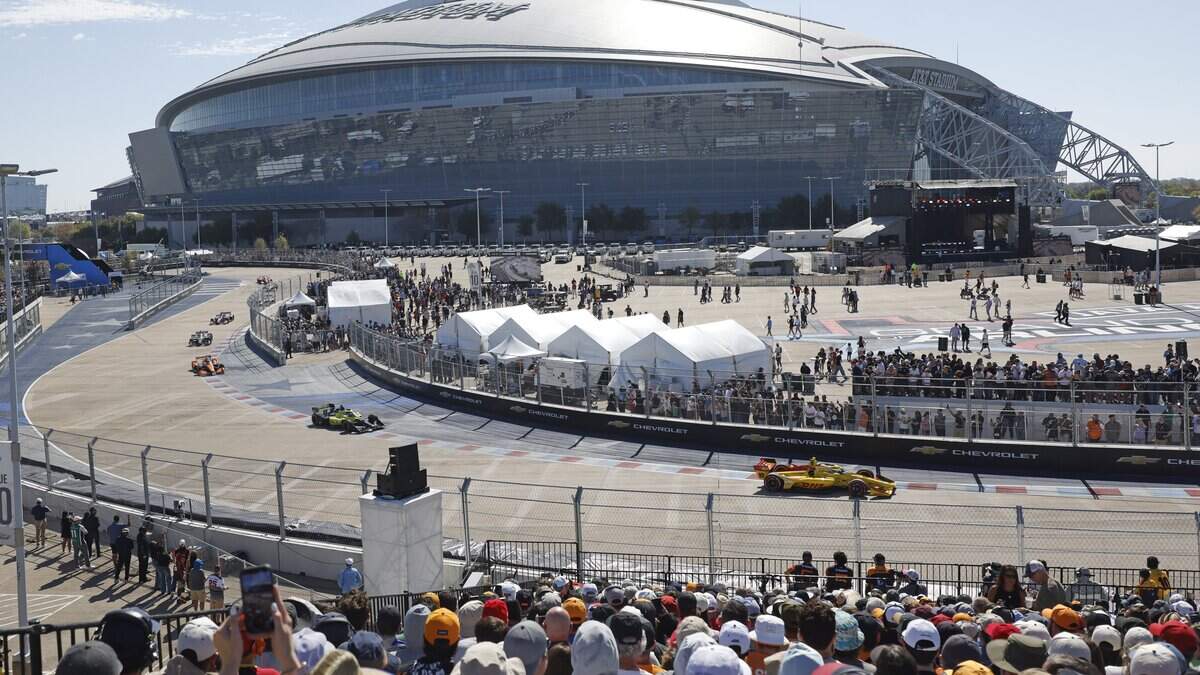
AT&T Stadium — “Dallas Stadium” in soccer — is the most praised venue by worldwide fans and press. Texas Live!, a giant sports bar that often seems like a Lone Star State-sized concession stand, is the region’s “town square,” just the way former Mayor Jeff Williams promised.
Now Arlington needs to figure out how to keep stadiumgoers at home, not lose them to hotels and restaurants in Fort Worth or Dallas.
Step one: Fix the ugly.
North Collins Street is a gateway to the stadium and the primary route to Arlington’s business district along Abram Street.
Yet Collins Street still looks like an old state highway through a dilapidated Texas small town.
Utility lines loom everywhere. Giant signs sprout instead of trees. The street itself is a five-lane concrete racetrack with no landscaped median or beautification of any kind.
Many of the business properties date to the 1970s and 1980s heyday of old Arlington Stadium. They are aging and poorly kept.
Some of this is not Arlington’s fault.
North Collins Street is a state highway. It’s still numbered as Farm Road 157, although there is not a farm in sight along its path from Euless south through the University of Texas at Arlington campus to Mansfield, or at least not until you reach Venus or Maypearl.
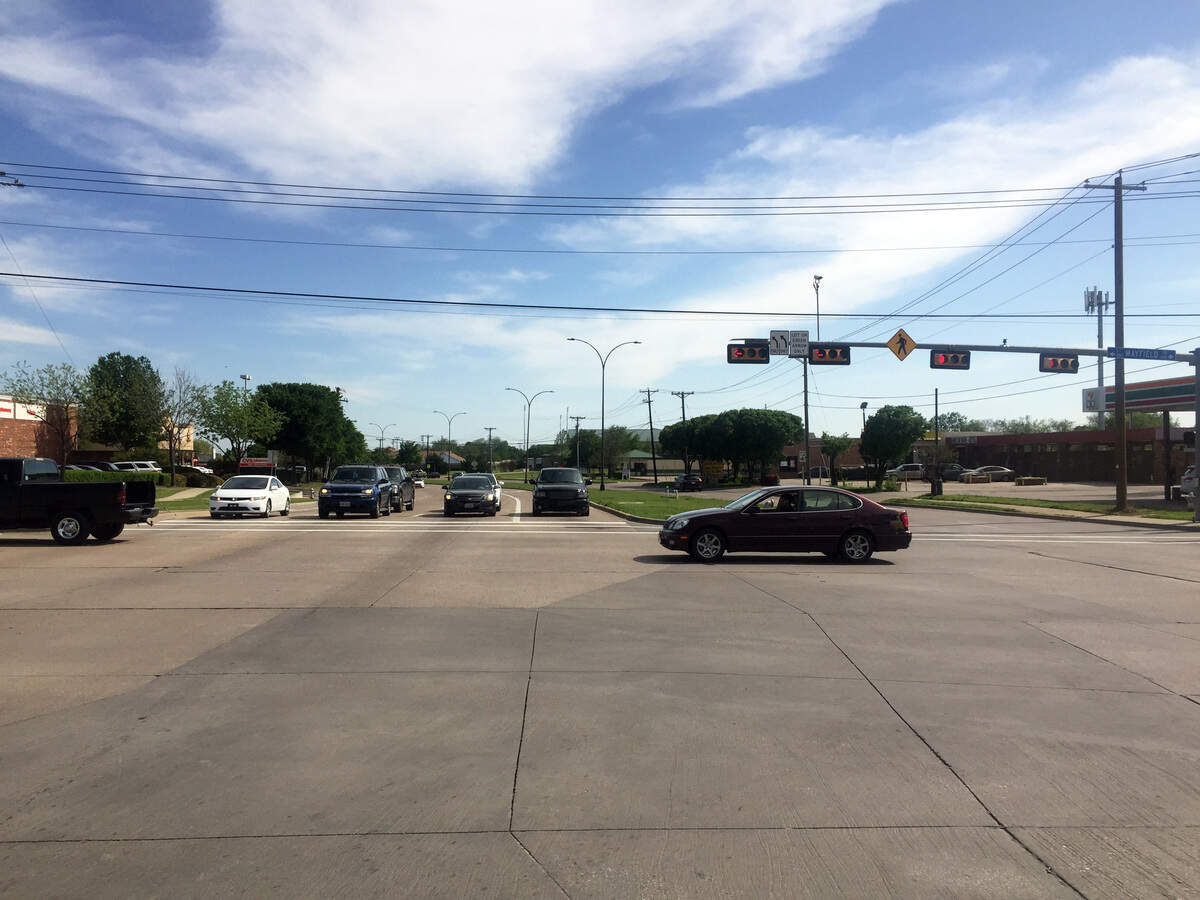
On other old country roads-turned-highways such as Southlake Boulevard or Boat Club Road, the Texas Department of Transportation is adding medians to improve safety and make walking less risky. Sure, drivers complain about U-turns. But unprotected left turns cause wrecks.
And Collins Street really needs to draw pedestrians.
From the corner of the stadium parking lot at Collins and East Sanford Streets, it’s only a half-mile to the flashy new Caravan Court hotel or the Rodeo Goat hamburger grill on East Division Street. It’s 1 mile to the shops in downtown Arlington.
But go look. Would you walk past car lots on that busy highway?
The prettiest thing on Collins Street might be the stadium parking lot.
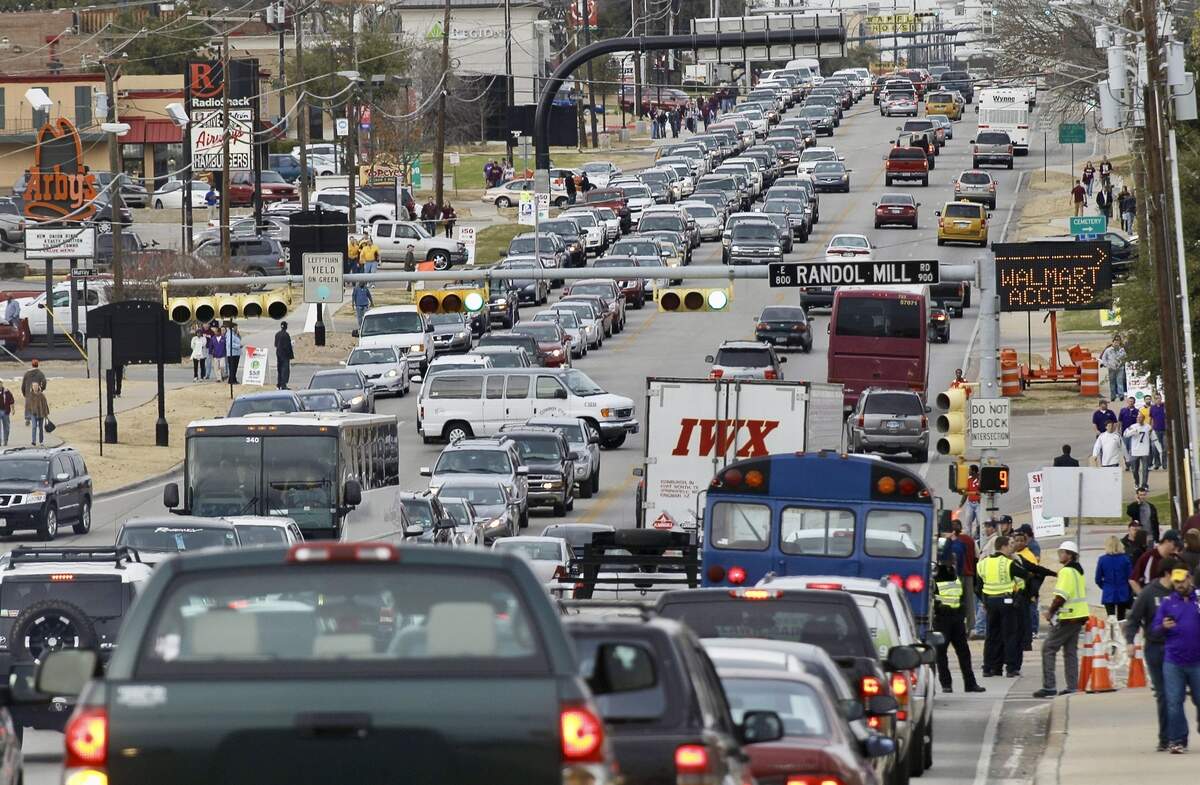
Arlington isn’t the only city with an important street that needs work. In Fort Worth, North Main Street to the Stockyards is a century-old federal highway that mostly looks it.
But Fort Worth provides a public “Orange Line” shuttle from downtown.
Arlington’s only tourist shuttle is solely for hotel guests along East Lamar Boulevard, the opposite direction from downtown. The public can’t even ride it.
Instead, downtown is served by private services such as the $26 Shuttle Kings buses from J. Gilligan’s Bar & Grill.
More than 1,250 fans rode the shuttles for the Norway-Ivory Coast match June 30, according to J. Gilligan’s owner Randy Ford.
He’s selling up to six times more burgers and beers on match days, he said.
But not everybody is sharing the success.
One block away at the Rocketbelly chicken tenders and bubble tea cafe, senior owner Mary Huynh took her frustration to Facebook.
“Since FIFA started, I’ve spent 13 hours a day sitting in my shop staring at empty streets and an empty space,” she wrote. The cafe is a partnership led by her daughter Olivia, 14.
“Like many small businesses downtown, I stocked up on ingredients, increased inventory, scheduled extra help, and prepared for the crowds we were told were coming. Instead, product is going to waste and sales are actually down.”
Unless you have a bar or serve barbecue or burgers, business has been quiet, she wrote.
Why? Because visitors mostly stick to the stadium area, where they have Texas Live!, 7-Eleven and Walmart.
“Other cities have invested in ways to connect visitors to local businesses: trolley systems, circulator shuttles, visitor maps, hop-on-hop-off transportation, and helping tourists know where to explore beyond the stadium area,” Huynh wrote.
“We have incredible local restaurants, coffee shops, dessert spots, boutiques, artists, and small businesses that make this city unique,” she said. “But if major events are going to benefit the entire city, we need better ways to connect visitors with the businesses outside the Entertainment District.”
It starts on Collins Street.