Immigrant-bashing is not only sick. It can also get you sued. Think before you post | Opinion
American law has not been suspended for the presidential campaign.
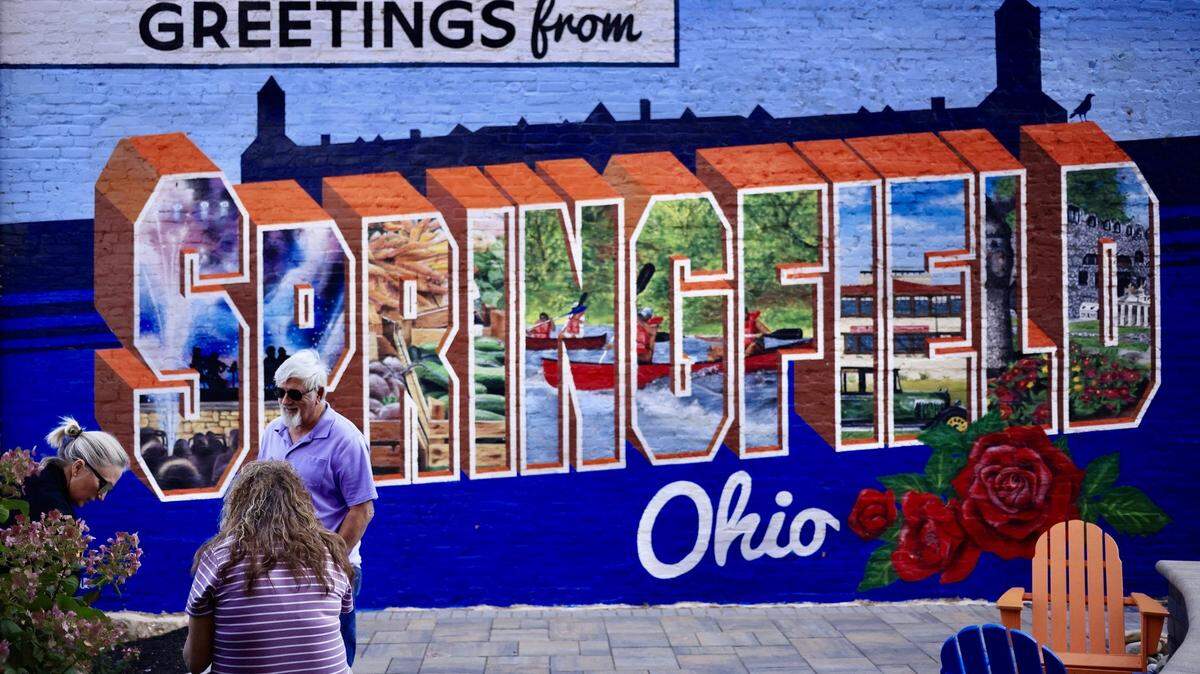
It only seems that way, after days of sick attacks against a city in western Ohio.
America still has laws against slander. They protect us all from malicious, damaging defamation.
And yes, those laws also protect immigrants working and living an honest life.
We’re all legally liable for both our comments and reshares on social media. If somebody posts or reshares a complete lie — like saying somebody here legally is a criminal or “illegal” — they can wind up owing damages in civil court.
Immigrant-bashing is a sickness, and America is in the middle of a pandemic.
I’m not talking about the border, or how many immigrants to admit, or how to stop anyone dangerous. Those debates have been stuck in the political quagmire for years.
This is just a reminder that slandering honest people can have a price.
And JD Vance is not going to pay off your court judgment.
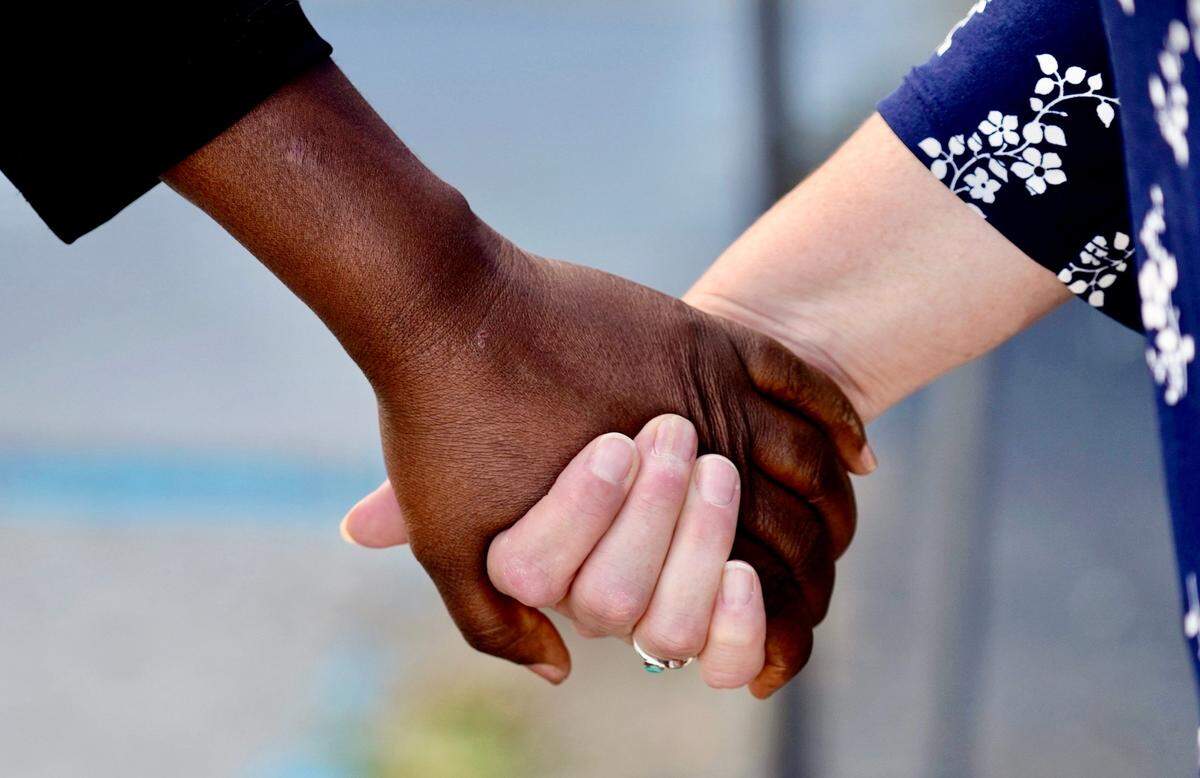
“It’s what social media has done to us,” said professor Lori Shaw Robol. She’s at the University of Dayton School of Law, about 30 miles southwest of Springfield, Ohio.
That city and its Haitian immigrant community are under siege from MAGA activists after some election-year hyperbole and accusations by national Republican candidates Vance and Donald Trump.
“I see people posting things on social media — these are people I went to school with, always good, kind people — that are just horrific,” she said.
We tend to think whatever we read is true. And we think it must be safe to forward or reshare.
“If you reshare something false, then you’re just as responsible,” Robol said.
Calling someone a lawbreaker is inherently damaging.
These are people living within the law. They don’t deserve our abuse.
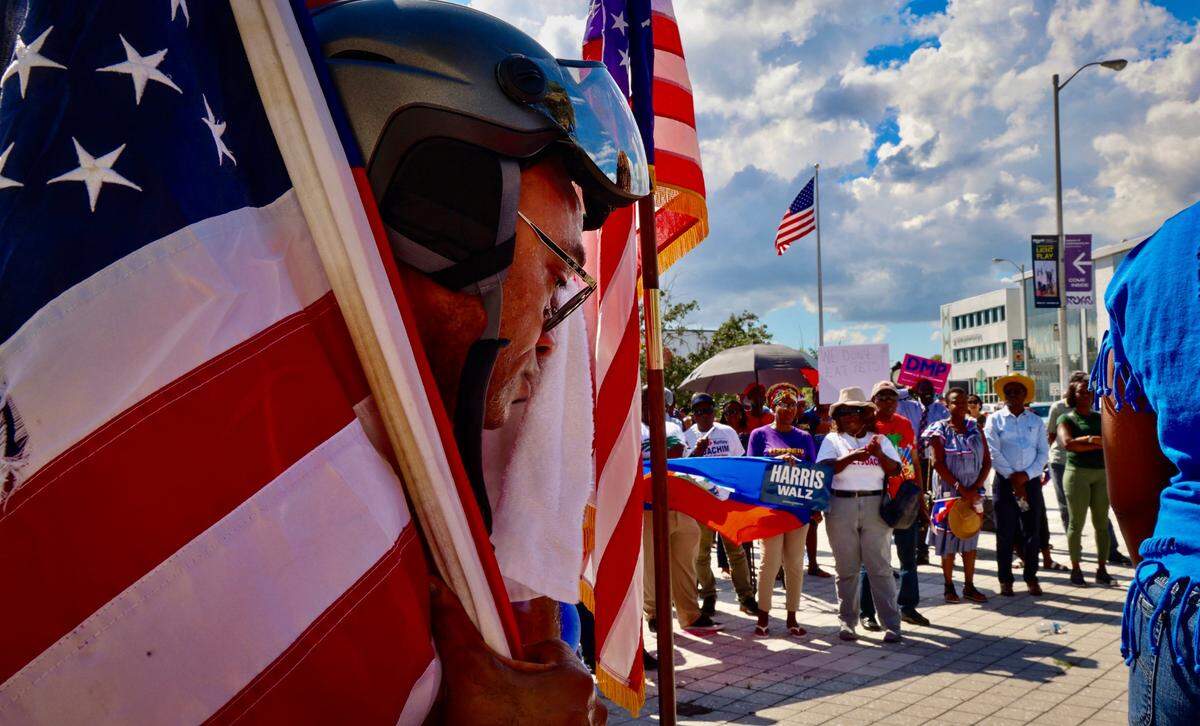
In this case, the Haitian immigrants in Springfield crossed the border but remained here legally with “temporary protected status” under a law created by Congress in 1990 for those fleeing disaster or civil disorder.
It was signed by President George H.W. Bush.
Generally, newcomers support the economy and bring growth to a decaying city. Springfield had lost a quarter of its population since 1980.
The Haitian immigrants can’t file a class-action lawsuit.
But any Haitian singled out can.
For example, one Springfield woman’s Haitian neighbors were the target of accusations when the woman’s cat, Miss Sassy, disappeared. Another resident retold a similar rumor on social media, triggering a panic that went all the way up to the Trump-Vance campaign.
As it turned out, Miss Sassy was hiding in the basement.
I would, too.
A neighbor who was maliciously accused might be able to sue, Robol said. The neighbor would only have to prove either that (1) the cat wasn’t stolen or (2) the neighbor isn’t “illegal.”
“If I said, ‘Sam is an illegal immigrant’ and that’s false — Sam could sue me for defamation,” Robol said.
Social media defamation has reached a fever pitch.
“I feel for Haitians. To have the whole world assuming that you’re here illegally ... ,” she said. “People need to stop and think before they hit the ‘share’ button — ‘Have I researched this? Can I back this up?’ “
Share that.
This story was originally published September 24, 2024 at 5:27 AM.