Quit griping about the Stockyards. It’s the best thing that could happen to Fort Worth | Opinion
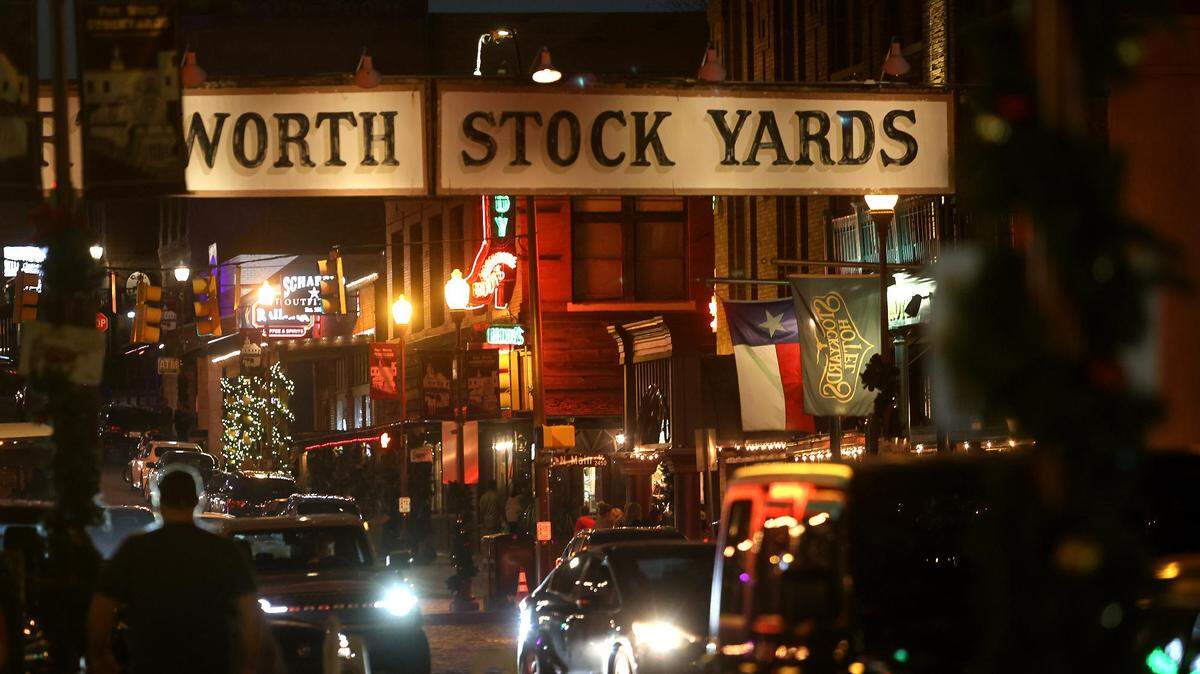
Ten years ago, here’s what visitors were saying about the Fort Worth Stockyards:
▪ From Georgia: “Went for the cattle drive. Cheesy stores and sketchy bars. Not impressed.”
▪ From Michigan: “Overpriced, cheap-looking trinkets.”
▪ From Florida: “Rundown. ... Extremely disheveled and in desperate need of being power-washed and painted. ... A bit sad.”
▪ From California: “If it weren’t for the cattle drive, I’d be bored.”
Ten years later, 9 million tourists a year visit Mule Alley, Cowtown Coliseum, Billy Bob’s Texas and the hotels, restaurants and shops.
Let’s check some recent reviews for the Stockyards:
▪ From Nevada: “MUST VISIT.”
▪ From South Carolina: “Really nice. ... My only regret is that we scheduled only one day.”
▪ From the United Kingdom: “Themed but based on authenticity and fact ... An absolute must-see.”
▪ From Illinois: “This place was amazing.”
A half-century ago, the Stockyards was known for flophouse hotels, vacant storefronts and a powerful aroma like fertilizer.
Now, it draws more tourists than the Eiffel Tower, the Taj Mahal or the San Antonio River Walk and Alamo.
Yet a few gripers still complain.
Look, adding new Western hotels and shops is not “Dallasing our Fort Worth.”
The story of the Stockyards is one of the most remarkable business turnarounds in America.
The comeback started in 1976 when rodeos and cowboys returned to a worn-out and empty Cowtown Coliseum.
But even 10 years ago, much of the Stockyards was still dark, ill-kept, unwelcoming and kitschy.
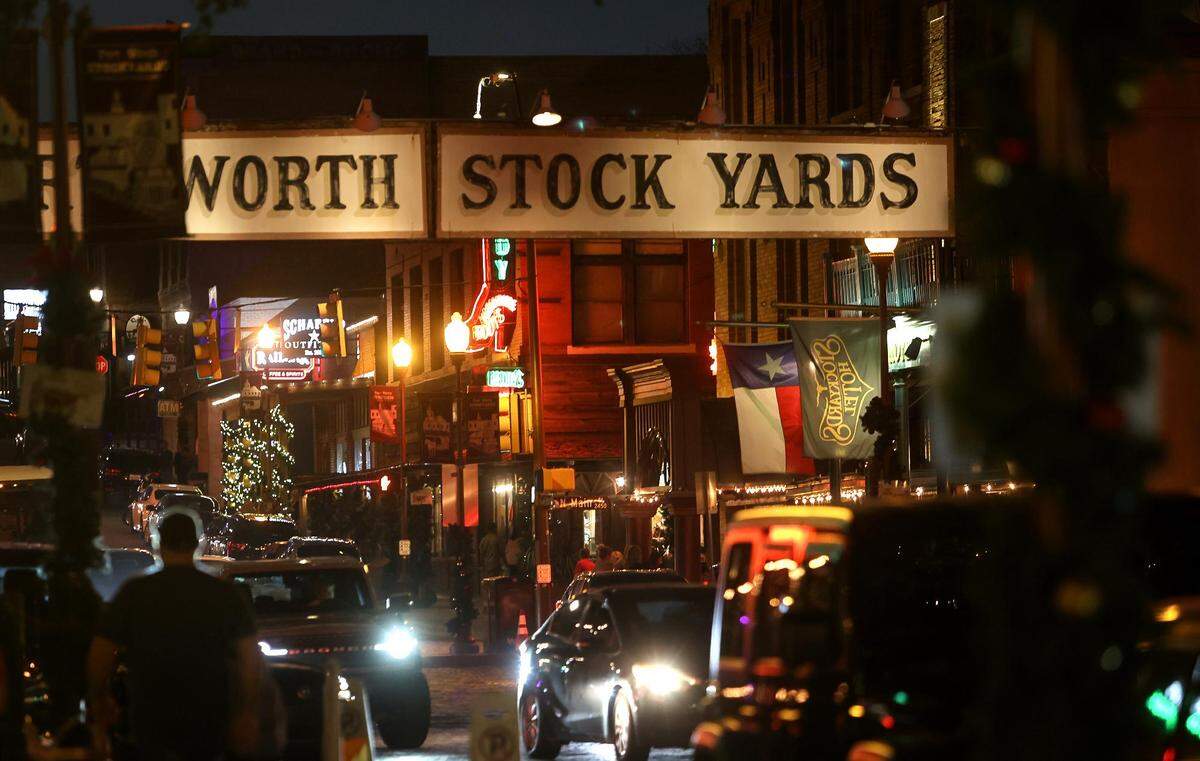
The Fort Worth Herd proudly showcased our history. But there wasn’t much to see inside the shops.
Now, instead of celebrating Mule Alley and a new nearly-$1 billion expansion on what had been dusty trailer lots off Stockyards Boulevard, some out-of-town critics are bashing leaders for bringing business and success.
Yes, I said out-of-town.
From what I can tell, the people who bellyache the most about the Stockyards never lived in Fort Worth, or don’t live here anymore.
They live in Decatur, or Stephenville, or Mansfield. They don’t like outsiders in the Stockyards. Some haven’t even gone since the last Willie Nelson picnic.
The Stockyards’ No. 1 sport is rodeo.
But the No. 2 sport is griping.
Some ornery old sidewinders are still mad they can’t park their horse trailer free. Or that the packinghouses went out of business 53 years ago and the cattle market has been gone for 32 years.
Look, I know. When it’s not Dallas Cowboys season, people in Texas look for something else to moan and groan about.
But before you get all riled up and turn Facebook into your personal dartboard, look at the spirit the Stockyards has brought to Fort Worth and the hundreds of people who now have jobs.
“I understand how people like to jump on social media and complain,” said restaurateur Tim Love, a Stockyards businessman for a quarter-century. He now owns seven restaurants and music clubs.
“A lot of those people haven’t been to the Stockyards. ... To me, we’re taking a piece of dirt that sat there forever and turning it into something very positive.”
We talk about Fort Worth as the home of “cowboys and culture.”
Cowboys still get top billing.
But for the rest of the world, Fort Worth is still the city hidden after the hyphen in Dallas-Fort Worth.
The more the world knows the Stockyards, the better it is for all Fort Worth.
This story was originally published July 5, 2024 at 5:30 AM.