Fort Worth Zoo’s spring break traffic mess is back. But after 20 years, there’s a new twist
The Fort Worth Zoo is a giant success, and maybe we had forgotten that.
On a day with sunny weather and a baby elephant, zoogoers rocked South University Drive like old times, and the combination of new GPS technology and rideshare users meant more traffic than ever before.
Traffic jams are nothing new on University, Forest Park Boulevard or Colonial Parkway. They happen five or six times a year when 47,000 fans go to TCU football games, when up to 30,000 patrons go to the Colonial pro golf tournament, and for a few days each spring when up to 25,000 people visit the zoo.
But now, Apple Maps, Google Maps, HEREWeGo and Waze take more cars down back roads and residential side streets.
The result is a bigger traffic jam for everybody.
In the old days, families would just line up on Interstate 30 at the South University Drive exit and wait their turn for the zoo. One year, the line of cars stretched all the way on Interstate 35W to Golden Triangle Boulevard in north Fort Worth.
Now, everybody takes a little back way.
That meant traffic jams on Eighth Avenue, Mistletoe Boulevard or Jerome Street through the Mistletoe Heights neighborhood almost to Baylor All Saints hospital. Traffic also gets thick on Rogers Road behind the University Drive shopping centers.
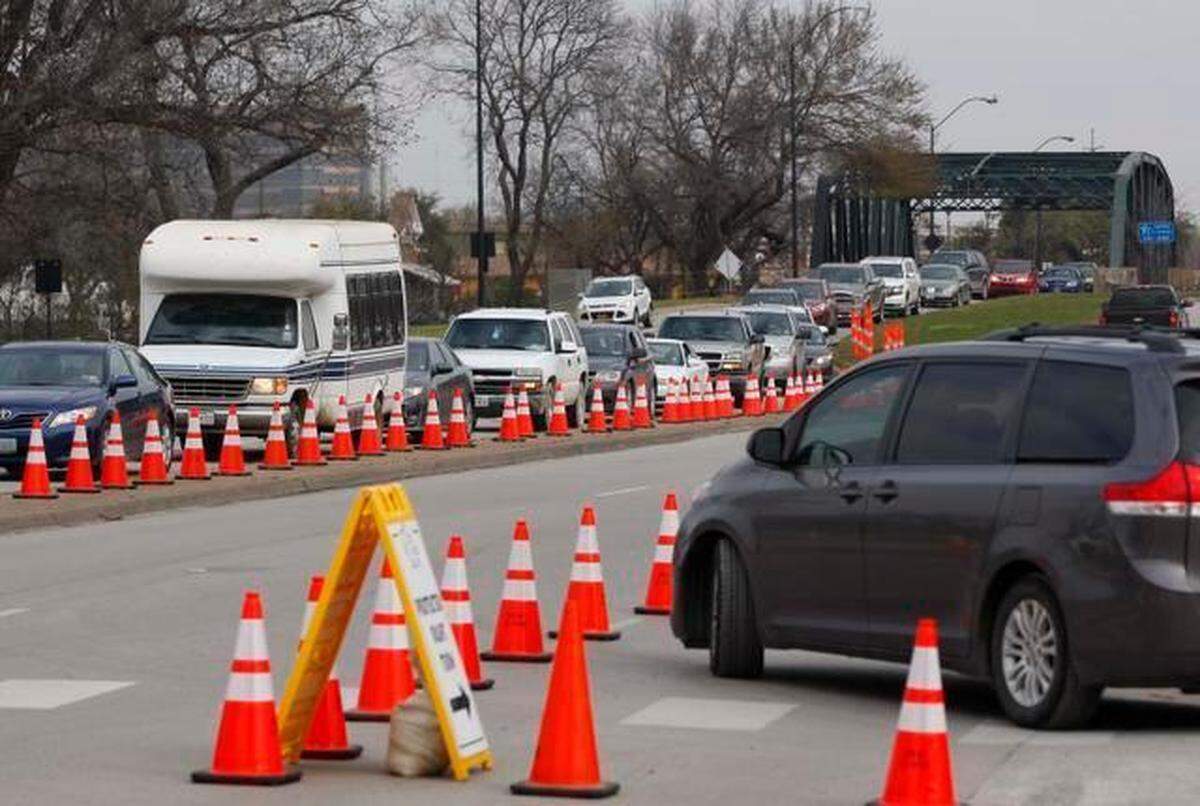
From what I could tell looking at traffic maps, streets were clogged everywhere except to the southeast and southwest.
So, here’s a reminder about the top rules of Fort Worth traffic:
▪ From the east, use West Berry Street to go to the zoo, TCU or Colonial. Stay out of the Interstate 30 traffic and off that tiny little 70-year-old cloverleaf exit at University Drive.
▪ From the North Tarrant Express toll lanes, Interstate 35W or from anywhere to the far north or west, always take Loop 820 West around the city and then come up to the zoo or TCU from Granbury Road.
This is nothing new. For more than 20 years, we’ve been talking about traffic and parking problems on University Drive and Forest Park Boulevard, particularly for TCU football and spring break at the zoo.
If I could wave a magic wand, we’d have a dedicated bus lane or transit route up and down University and Northside Drive moving people back and forth between TCU, the zoo, the Cultural District, West 7th, the Stockyards and potential public parking areas such as Rockwood Park or Paschal High School.
But that doesn’t solve all the problems.
Families with strollers coming to the zoo or with gear coming to TCU games don’t want to transfer onto a shuttle and off again. Rideshare drivers need their own dedicated pickup and dropoff zones out of other traffic.
For many years, zoo leaders wanted the city to build a second level of parking as a deck over the east lot.
Meanwhile, some neighbors wanted the traffic problems from the zoo, Colonial and TCU to just magically go away.
It’s a 20-year standoff with no solution.
City Council member Elizabeth Beck was elected last year. She represents the zoo neighborhood.
She said she hasn’t heard any conversation yet about a parking deck.
“That would certainly be a solution,” she said.
The crowds aren’t bigger, but the traffic and parking problems are worse.
That’s because now, when zoo patrons get stalled in traffic, they get rerouted by GPS to narrow back streets. Then they just park and walk.
In turn, that means residents can’t get in or out of driveways.
On Wednesday, the zoo drew a crowd of 24,612 people spread over seven hours.
That wasn’t a record. And that’s only half what TCU draws for football games, and about what Colonial draws for a typical final round.
“This is something we want to look at,” Beck said. “We don’t see this kind of traffic tie-up for Colonial. So what is Colonial doing differently?”
In the last 20 years, at least six city committees have crafted event traffic and parking plans. Then, along came GPS and ridesharing.
We need new plans for the next 20 years.
This story was originally published March 18, 2022 at 11:22 AM.