In rural Texas, ‘they’re angry at COVID.’ A small-town counselor treats the grieving
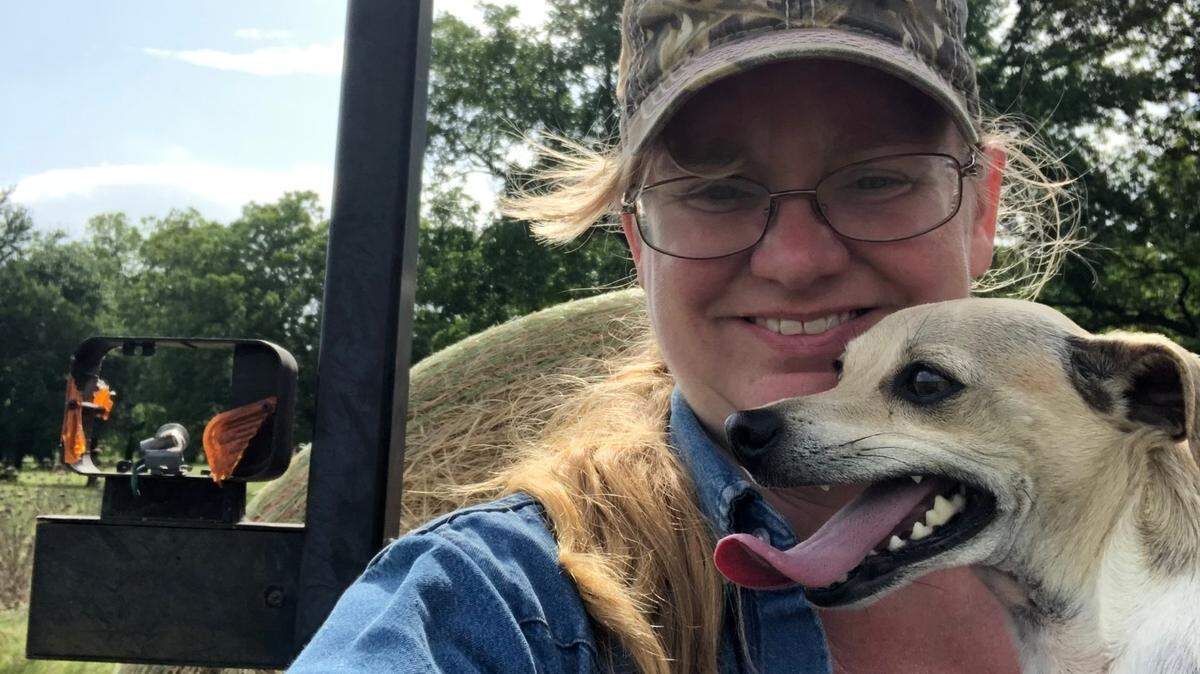
Sixty grandparents and parents are gone, and the families and children are grieving.
Some kids can’t learn math, or how to read, because they’re outside broadband range for virtual school.
Welcome to the counties racked by COVID-19 southwest of Fort Worth, where one lone social worker travels up to 120 miles per day to treat small-town Texans overwhelmed with grief and stress.
“Out here, there’s all this anger,” said Cynthia N. Newton, a traveling counselor from Comanche with a weekly radio show and a sturdy Chevy Traverse to help her reach anyone needing mental health treatment across four counties from Hamilton to Eastland.
“They’re angry at COVID,” she said.
“They’re angry at all the unanswered questions left behind. We all know anger is a stage of grief — that’s what we’re all experiencing.”
But that’s not all.
“Now, we’re seeing anger at a societal level,” Newton said Friday, on her only short break of a week of seeing 50 or more clients.
“I’m seeing a lot more individuals now who are angry at society, or they’re angry at governmental entities. We’re seeing it at more of a macro level, a more societal level.”
For the last few weeks, as COVID-19 raged first through El Paso and Amarillo and now through small towns in the Abilene and Wichita Falls regions, rural Texans’ view of the virus has pivoted from dismissal to distress.
On Thanksgiving weekend, I stopped off the Granbury square and saw few shoppers or families wearing masks or face coverings.
Last week, with the county’s only hospital full and the local death toll up to 31 in that county alone, a city-county COVID-19 testing station drew a two-hour waiting line.
“El Paso and Lubbock were bad, but right now, it seems to be worst from Abilene down into Waco,” said John Henderson of the Texas Organization of Rural & Community Hospitals.
That’s where Newton practices.
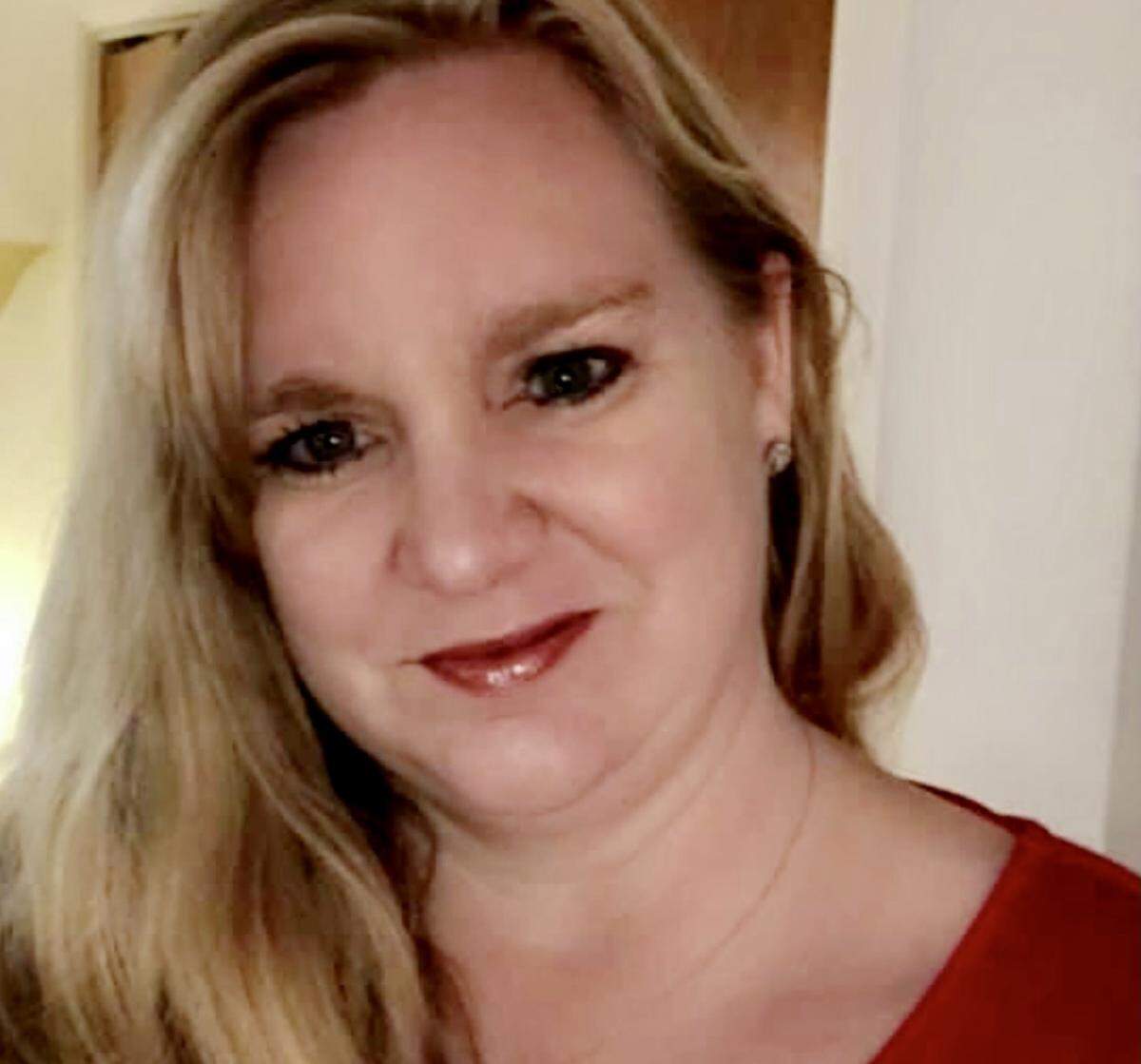
“Now is when people need mental health the most,” she said.
She is with HOPE Counseling of Texas, with offices in Comanche, Dublin, Eastland and Hamilton.
“Everybody who’s died in these towns, you’ve met that person or you know somebody related,” she said..
“There are all these questions — how did COVID get here, who do we have to blame, could they have lived a few more years, did we catch it soon enough, did the hospital have the equipment it needs,” she said.
I asked about masks.
“I do not believe people have taken COVID seriously enough,” she said gently, describing rural Texans’ view of COVID as more one of helplessness than denial.
Some county officials and civic leaders wore masks and enforced safe distancing, she said.
“Then the next county over, the leaders say, ‘It’ll pass, it’s just like the flu.’ “
That didn’t help keep schools open or parents safe.
“There’s so much more stress on parents, more anxiety, more depression — their schools close, the kids fall behind and the parents panic about how they can juggle it all,” said Newton, a mother raising three boys on a farm with horses and cattle.
“Every day — and I’m not exaggerating — we get 10 new phone calls saying, ‘Can you help me? My kids — I can’t handle them anymore,’ or ‘I lost my job,’ or ‘I don’t know how to function,’ or ‘I want to kill myself.’ “
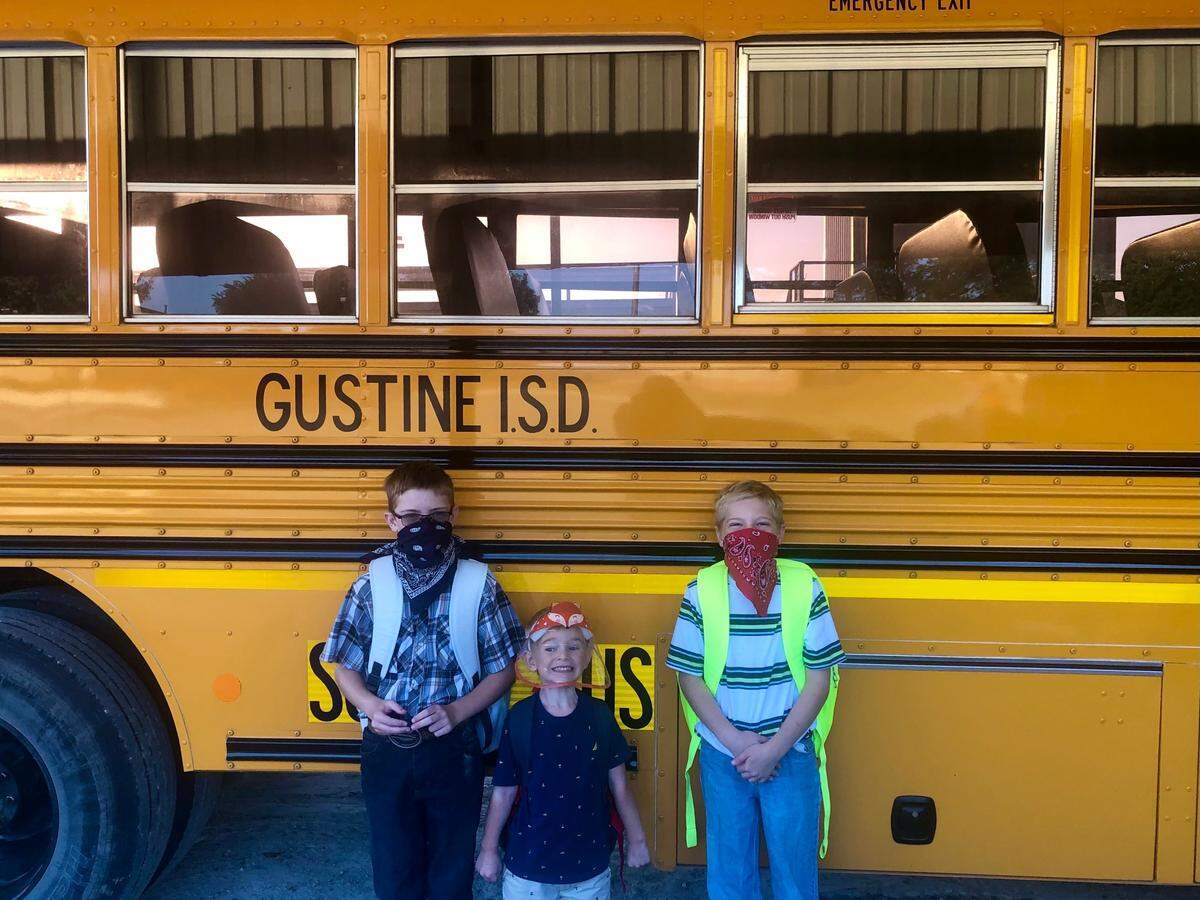
The start of school was a short break until students started getting sick or quarantining, she said.
“One day you’re at school,” she said: “The next day it’s,. ‘OK, no school for two weeks.’
“More than 50% of our parents don’t have a high school diploma — some don’t speak English — you can’t just say, ‘It’s OK, we’ll put them on a computer.’ “
Besides more nurses and better treatments — and extra help at small-town funeral homes and cemeteries — there is one thing rural Texas needs right now, Newton said.
“You can’t get good internet out here,” she said.
“You can’t expect virtual school to work. Even the hotspots they give us don’t work out here. People out here are expected to live in a world where we’re not equipped.”
It’ll take more than a vaccine to cure Texas.
This story was originally published December 12, 2020 at 3:40 PM.