Birdnappers! Who’s trying to trap and steal beautiful songbirds in an Arlington park?
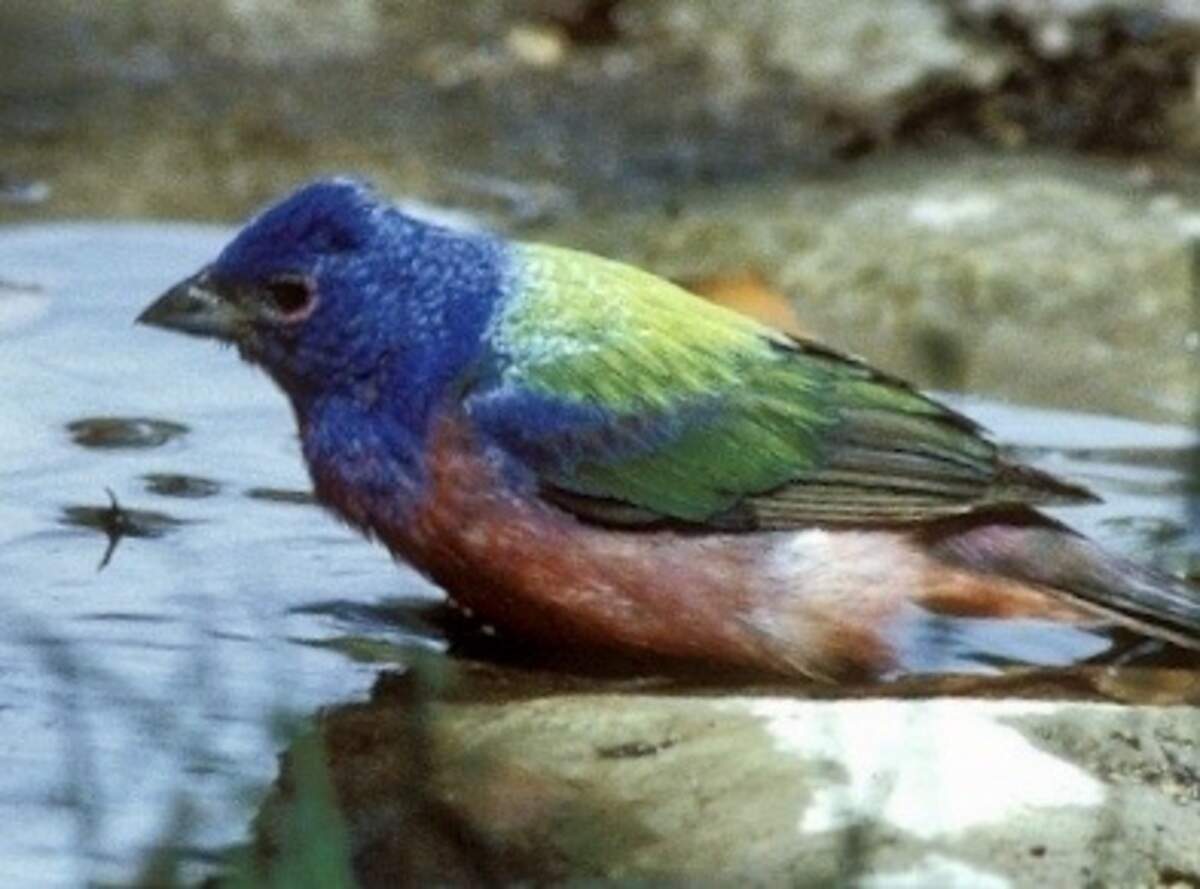
America’s most colorful songbird lives in Arlington, and a birdnapper was trying to steal them.
In a springtime when nature walks became our favorite escape, birdwatchers in River Legacy Park were out looking for Texas songbirds such as the painted bunting, covered with the colors of an artist’s palette.
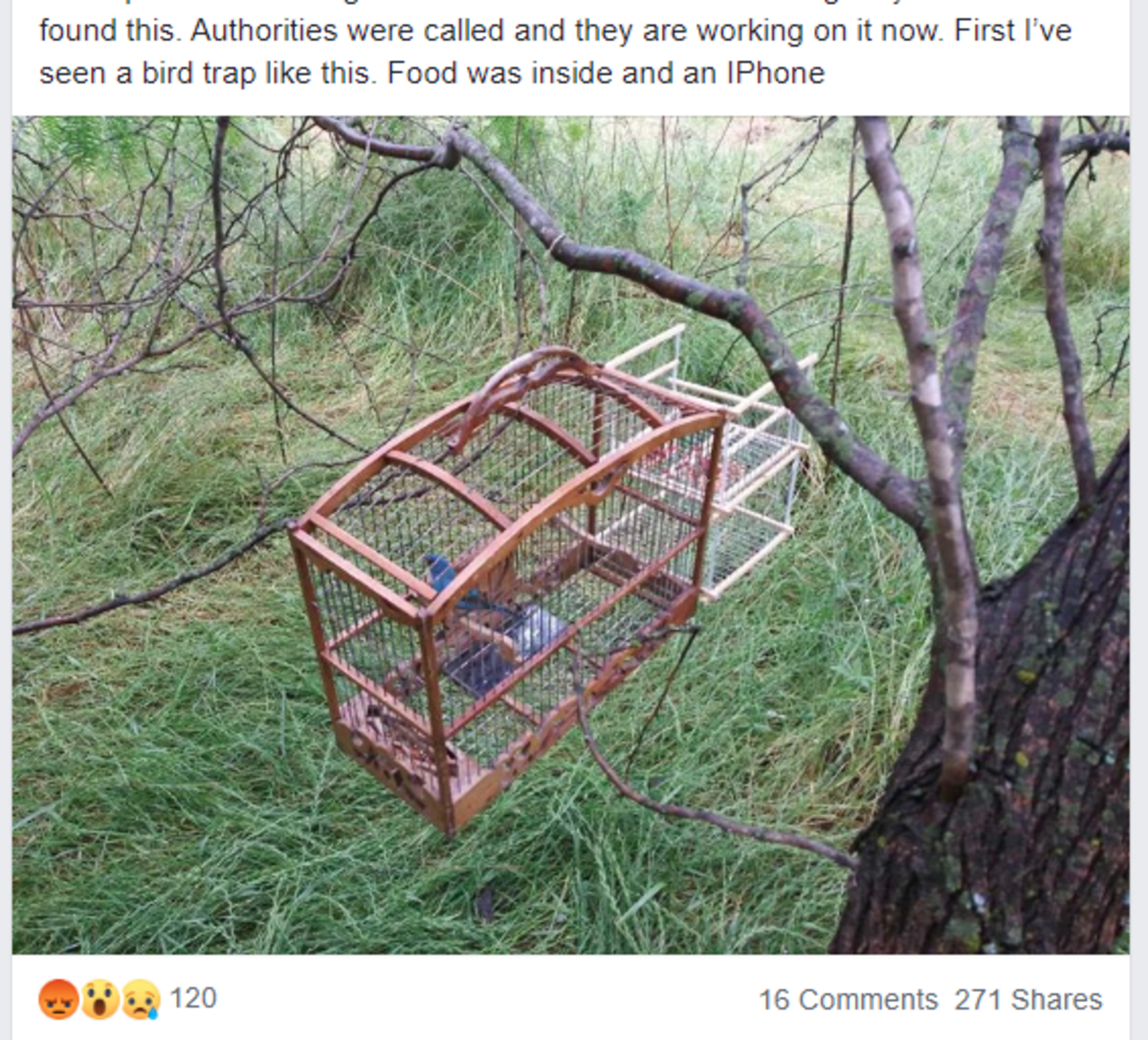
They found a songbird trap.
Texas game wardens’ investigation continues into the early May discovery of an elaborate trap with birdseed — and an indigo bunting planted as bait to lure and capture a nearby painted bunting or other birds.
This spring, River Legacy Park’s 1,300 acres and adjacent Village Creek drying beds have become a refuge for adults and an open-air classroom for desperate parents and families. In a morning’s walk, you might see 50 birds, from hawks and owls to woodpeckers, tanagers and phoebes.
Becky Nussbaum Gerro of the River Legacy Foundation said that in years walking the trail, she’s only seen a painted bunting twice.
“They’re very skittish,” she said.
“We don’t see them often. Somebody was denying all these other people a chance to see them.”
Illegal songbird traps are often found in Florida.
“But you don’t think of that going on in Arlington, Texas,” Gerro said.
It just shows River Legacy’s reputation is getting around.
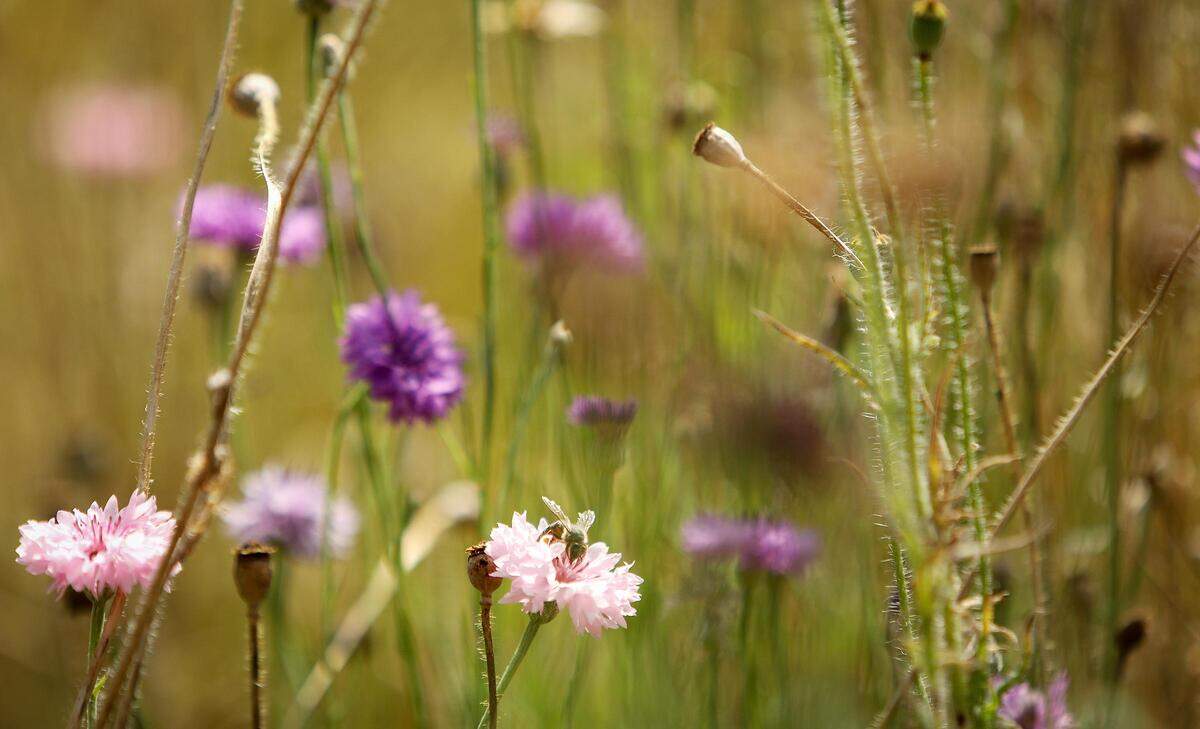
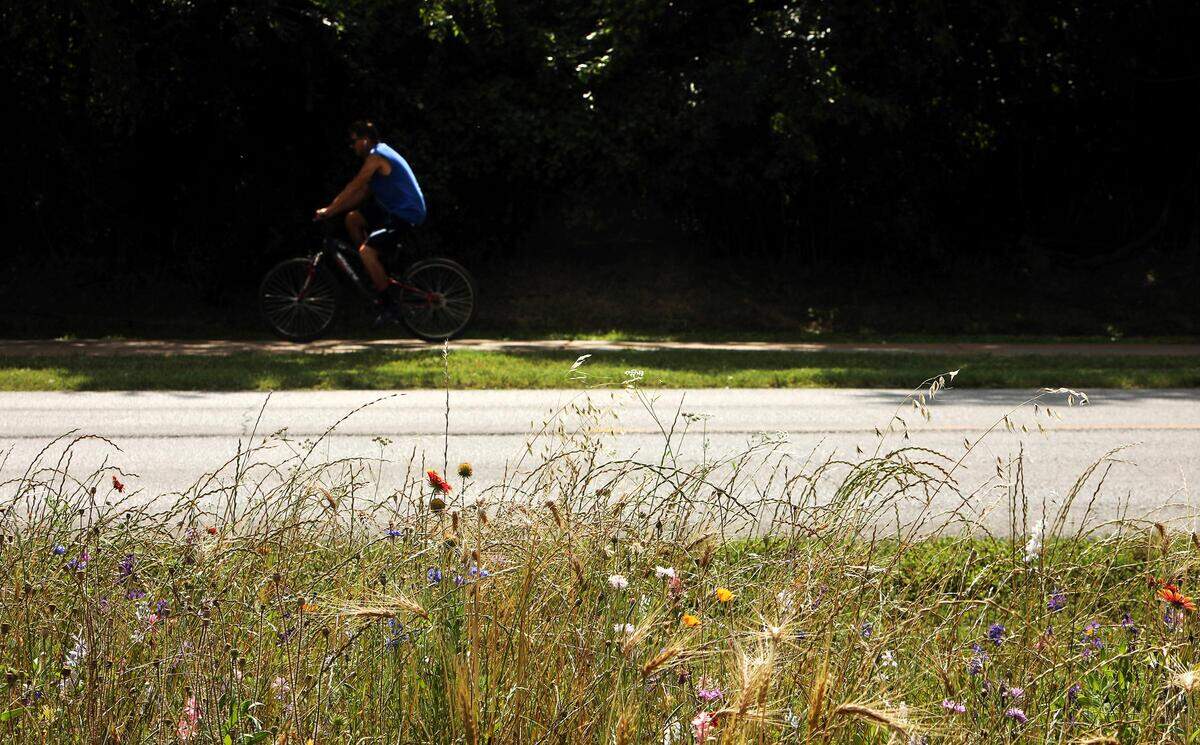
The giant hardwood-forest city park and wetlands at 701 NW Green Oaks Blvd. along the Trinity River between Dallas and Fort Worth has added a new wildflower parking area lined with red poppies and native Texas wildflowers among tall, shady post oaks.
“It’s great — people bring lawn chairs and come out” for social-distancing visits, said Jill Hill of the River Legacy Foundation.
On the trail, it’s not unusual to see a bobcat.
But the park’s biggest social media star is Hayley, an unusually affectionate possum who wound up at the River Legacy Living Science Center after a stint in rehab for a bone disease.
She’s drawn 700 Facebook viewers for a 10-minute video of Arlington’s most playful possum.
“Kids learn how important possums are,” Hill said. (For example, they eat ticks.)
Our springtime fascination with trails, parks and Texas wildlife has extended beyond River Legacy.
From his office at the Fort Worth Nature Center & Refuge, which has remained closed, manager Rob Denkhaus has seen Texans talking endlessly about our wildlife and birds after walks or hikes.
“People are at home, in the suburbs,” he wrote by email, “and they are simply getting a chance to see what has always been going on in their neighborhoods during the day.”
Urban wildlife biologist Rachel Richter of the local Texas Parks & Wildlife office sent a list of Texas wild species you might see in city neighborhoods: bluebirds, screech owls, eagles, porcupines
And who knew?
“The DFW Metroplex has always been filled with wildlife,” she wrote.
“I think that what’s happening now is not so much that new species are appearing, but people actually have the time to stop and notice the amazing creatures that have always been here.”
And we want to keep them.
This story was originally published May 23, 2020 at 5:45 AM.