Cowtown’s birthday: At 176, here are 7 things Fort Worth is known for | Opinion
AI-generated summary reviewed by our newsroom.
- The Army raised a flag over Fort Worth on June 6, 1849, and left four years later.
- The Drumstick originated in 1928 at Pangburn Ice Cream & Candy Co.
- The 1918 Stock Show rodeo was held at Cowtown Coliseum, but a 1917 event predated it.
The military base named Fort Worth was founded more than 175 years ago, but it didn’t last long.
On June 6, 1849, a U.S. Army mounted infantry led by Brevet Maj. Ripley Arnold raised a 30-star U.S. flag over new quarters atop the Trinity River bluff, on the blocks west of what is now the courthouse square.
Only four years later, the fort was gone.
The entire cavalry moved lock, stock and musket to a new fort 100 miles west, so the remaining residents were left to build a city that would give the world Kelly Clarkson, John Denver, Leon Bridges, the song “Hey! Baby” and the ice cream Drumstick.
Fort Worth isn’t just any ordinary city. It’s where Willie Nelson first smoked marijuana, where George Carlin launched his comedy act, where the Frontier Centennial festival of Texas independence included a nude burlesque show, and where cowboys competed in the first indoor rodeo, in a city later nicknamed “Where the West Begins.”
For the anniversary of the city that makes up two-thirds of DFW — just ignore that first letter — here’s a list of things to know about Fort Worth:
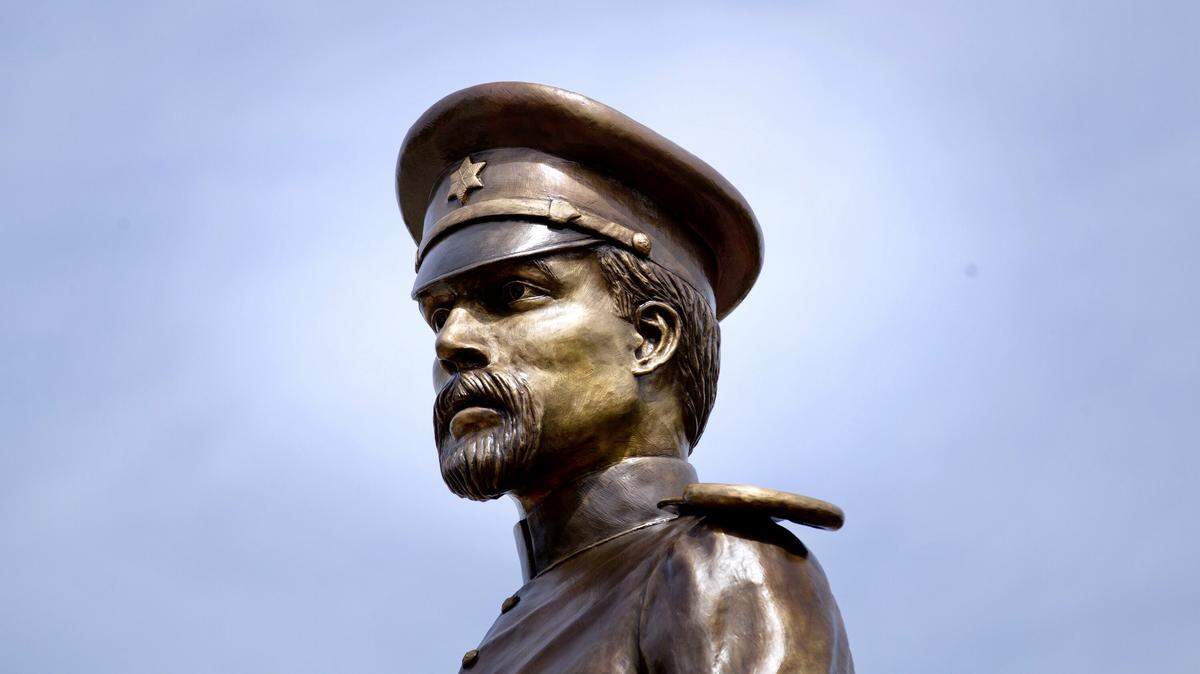
1. Yes, it really was a fort
The U.S. needed cavalrymen on the western frontier to keep peace between American Indian tribes and the settlers in what is now Arlington, Haltom City and Keller.
When the fort came to town, so did shops, businesses and residents along West Belknap Street. When the Army left, residents began campaigning to move the county seat and daily trials from a former courthouse to what was then Birdville, now at Broadway and Carson streets in Haltom City.
It took a couple of elections, but in 1856, Fort Worth won the county seat by deploying two invaluable political tools:
▪ Whiskey, and
▪ Voter fraud.
Birdville and Fort Worth leaders planned to give voters whiskey. But by some horrible stroke of fate, on Election Day, Birdville’s whiskey barrel came up empty.
Also coincidentally and absolutely completely by accident, Fort Worth somehow came up with an extra barrel of whiskey.
Birdville was still winning until late in the day, when Wise County settler Sam Woody brought 14 voters down from near Decatur for the free whiskey.
They voted the courthouse to Fort Worth.
2. Our most famous invention might be the ice cream Drumstick
Fort Worth’s first contibution to food was spicy: the first commercial chili powder blend, originally sold in 1890 as “chiltomaline” by what is now Pendery’s.
And with the Stockyards and meat packinghouses here, it only makes sense that we changed the steak business.
It was on East Exchange Avenue, in 1922, when North Macedonian immigrant Theo Yordanoff became the first restaurateur to batter, fry and sell “calf fries.”
(Look it up.)
Then, 1928, Fort Worth redefined the ice cream cone.
A vanilla ice cream cone with nuts fell into the chocolate at the old Pangburn Ice Cream & Candy Co. Promotions manager I.C. Parker’s wife, artist Jewel Parker, said it looked like a chicken drumstick.
Now, it’s a Nestle product with worldwide sales in the millions annually.
His former home on Simondale Drive near TCU has Drumstick-shaped turrets.
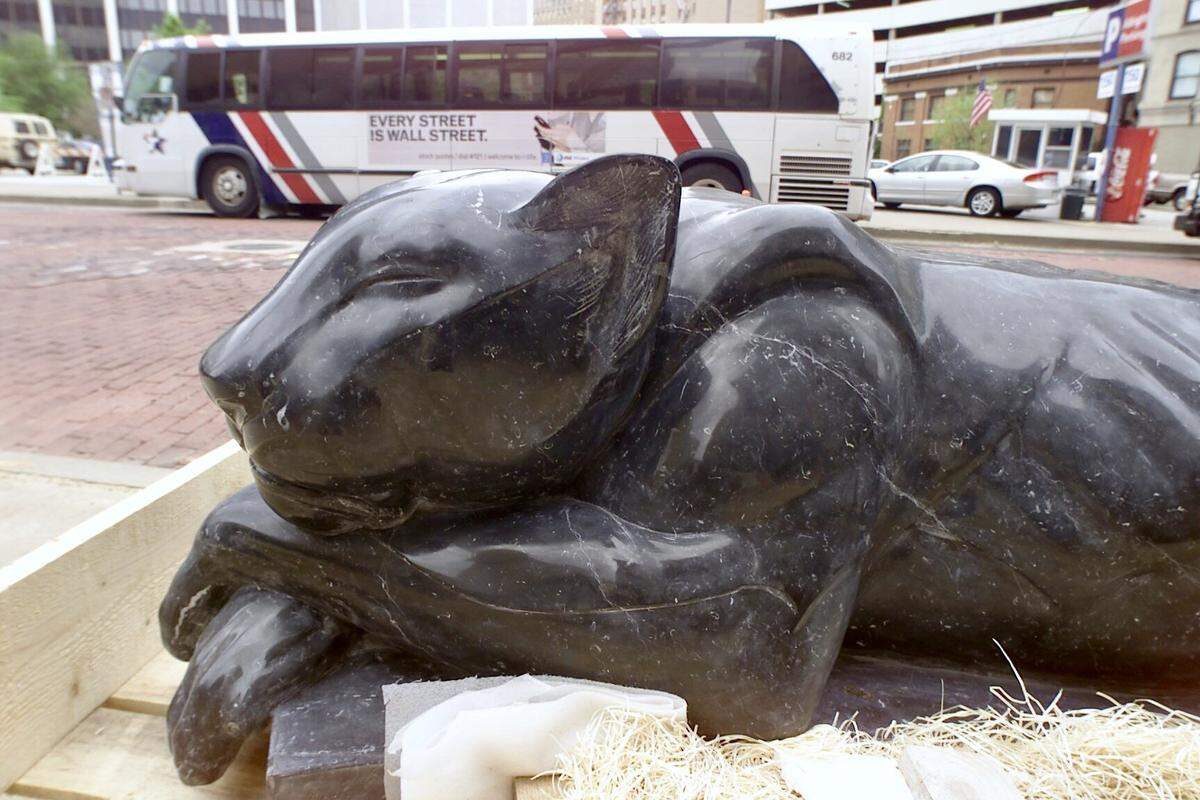
3. Yes, we’re “Panther City” — but nobody saw a panther
Most newcomers barely finish their second margarita at Joe T.’s before someone tells how, way back in the 1870s, Fort Worth was so drowsy that a mountain lion was sleeping in the street.
The way the Panther story goes, Dallasites made fun of us, and residents rose up and turned the big cat into a symbol of civic pride.
Now we have Panther Island, a panther on city police badges, the Fort Worth Panthers/Cats of baseball lore and both the original city high school mascots, the Paschal and Terrell Academy Panthers.
Fact check: Nobody ever actually saw a panther.
A Baptist parson known for dramatics, the Rev. A. Fitzgerald, was trying to shock his sleepy congregation one Sunday in February 1875. He told them he saw an outline in the dust on West Weatherford Street where a big panther must have been sleeping.
Poking fun, the Dallas Daily Herald mockingly reported a “wild panther wandering at will.“
Fort Worth got riled up. The city adopted two cubs as town mascots. and the nickname “Panther City. “
The legendary “sleeping panther” truly roared a year later when townfolk, up against a deadline, pitched in themselves to help build bridges, lay ties and extend the first railroad from Dallas near what is now the Trinity Metro T&P Station in Fort Worth.
We now have two panther sculptures. But still no panther.
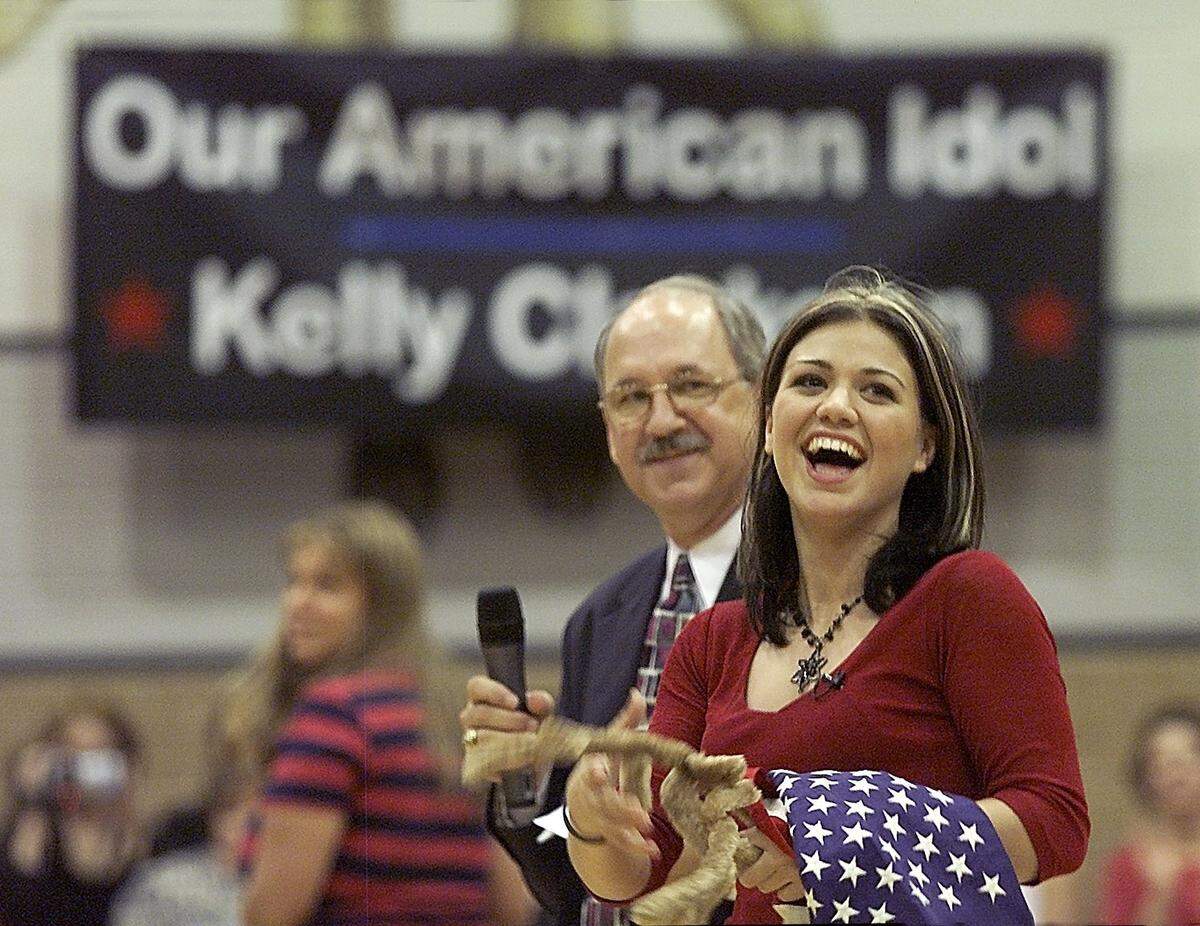
4. Our most famous singer is Kelly Clarkson
At least, that’s according to current Google searches. Clarkson, 41, grew up in Burleson and was living in Joshua in 2002 when a friend woke her up and made her go to “American Idol” tryout.
But she was born in Fort Worth and went to South Hi Mount Elementary and Luella Merrett Elementary.
Clarkson is now the leading star from a city that’s also home to:
▪ The late John Denver, a balladeer who lived in the Western Hills neighborhood when he was going to Arlington Heights High School.
▪ Leon Bridges, a Crowley product who sings worldwide today in front of a neon backdrop reading “Fort Worth.”
▪ Kirk Franklin, a Wyatt High School graduate who led his church choir at 11 and has gone on to become one of the best-selling gospel singers and musicians ever.
▪ Betty Buckley, another former Western Hills resident who became one of Broadway’s greatest voices of all time.
▪ And the late Townes Van Zandt, the troubled soul of Texas singer-songwriters and a former Arlington Heights Elementary School student now buried here in a cemetery near Eagle Mountain Lake.
Willie Nelson is from Hill County, but worked here in two stints, hosting a radio show and selling encyclopedias door-to-door while he taught Sunday school at an independent fundamentalist Baptist church.
(Nelson has told how in spring 1954, in the middle of Sen. Joseph McCarthy’s Commie-hunting Senate TV hearings, he first smoked marijuana. Sometimes he said he was leaving a Jacksboro Highway bar where he was watching the hearings, and sometimes he said he was at another musician’s house on Akers Avenue northeast of downtown. He might not remember.)
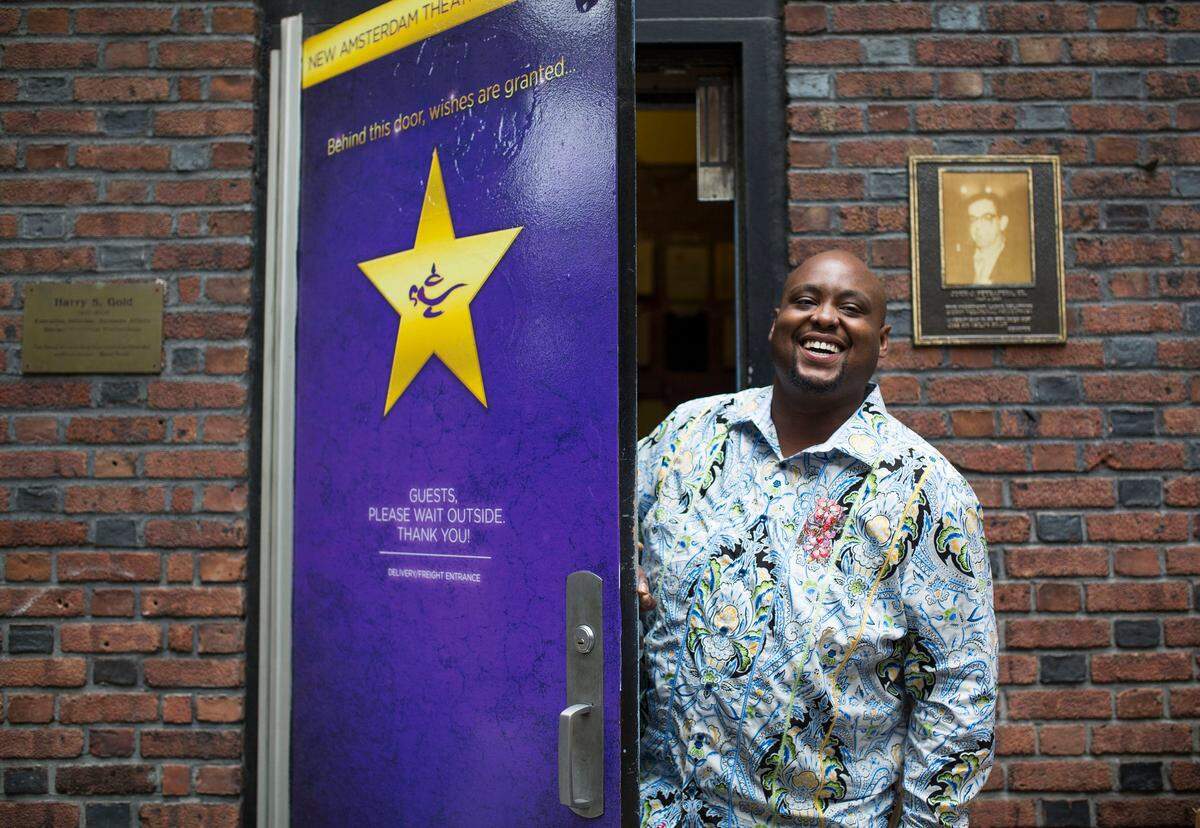
Broadway star Major Attaway, the Genie in “Aladdin,” is an Arlington Heights High School graduate.
Jazz saxman Ornette Coleman, “King” Curtis Ousley and Dewey Redman were among the many stars who played in the Terrell High School band.
Bluesman-rocker Delbert McClinton is from the west side. One night in 1961, in a sound studio at 1705 W. Seventh St., he played harmonica as Grapevine singer Bruce Channel recorded a song Channel co-wrote: “Hey! Baby.”
Late guitarist Stephen Bruton and singer-producer T-Bone Burnett are from here. Country’s Pat Green moved here as an adult. Bands such as Green River Ordinance, Toadies and Pentatonix (Arlington) have roots here.
Western swing music originated here nearly a century ago with bandleader Milton Brown and later, Bob Wills.
5. Yes, Butch and Sundance hid out here
Fort Worth is a great city for keeping a low profile, as outlaws Butch Cassidy and the Sundance Kid found when they came to hide out in the bawdy saloons of “Hell’s Half Acre” in the southern end of downtown.
That was the fall of 1900, when they were living in a hotel upstairs at 1014½ Main St. and decided to sit for what is now a famous portrait of the Wild Bunch, made at John Swartz’s studio upstairs at 705½ Main St.
Swartz was proud of the photo portrait, and put it in his reception area. Police detective Charles R. Scott saw it and notified marshals.
Some of our western history is part story, part history. (For example, the cowboys and cattle herds passing through downtown were on their way to ride “up the Chisholm Trail.” But they weren’t on it yet.)
The Butch and Sundance story is very much true. So are the 1930s visits by Dallas outlaw Clyde Barrow and Bonnie Parker.
They didn’t rob or kill anyone in Fort Worth. But they killed a state trooper from Fort Worth.
.JPG "PHi_j0073(5).JPG")
On Easter Sunday 1934 in what is now Southlake, Barrow killed rookie state trooper H.D. Murphy of Alto. Either Parker or gang member Henry Methvin killed trooper Ed Wheeler, a Fairmount resident.
Wheeler’s widow did not talk to reporters for 60 years. But in 1996, when a new TV movie on the desperadoes came out, she called the newsroom upset.
“What is everybody thinking?” she asked me: “My husband was killed by Bonnie and Clyde!”
Three months later, she proudly watched as we dedicated a Dove Road marker to the memory of Murphy and Wheeler.
6. A Julia Roberts movie premiered here
One night in February 1988, everybody in the Ridglea Theater crowd was talking to local screenwriter and author Dan Jenkins.
But one of the faces in the crowd at the premiere of the HBO movie “Baja Oklahoma” was young star Julia Roberts.
She’s not from here, but plenty of stage stars are:
▪ Ginger Rogers grew up on the near south side’s Cooper Street as the daughter of a newspaper entertainment writer.
▪ In 1925, she won a dance contest at the old Majestic Theater downtown. The runner-up was Weatherford teenager and future Broadway star Mary Martin, who later lived on El Campo Avenue when she gave birth to son Larry Hagman, J.R. Ewing in TV’s “Dallas.”
▪ The late Bill Paxton grew up on the west side and went to Arlington Heights and Aledo high schools. In high school, he made his first film, “Victory at Auschwitz,” where he and a teenage friend dressed as soldiers and “captured” the west side railyard.
▪ Comedian George Carlinstarted in radio in Boston, then came here in July 1959 and eventually brought along a Boston friend, newsman Jack Burns. It was here at the old Cellar nightclub, 1001 Main St., where they worked up the Burns & Carlin comedy act that lifted Carlin to fame.
Some familiar character actors are from Fort Worth, including the late Norm Alden, Harriet Sansom Harris (“Frazier”) and Lisa Whelchel (“The Facts of Life”). Actors Ethan Hawke and Peter Weller didn’t grow up here but often visited close family.
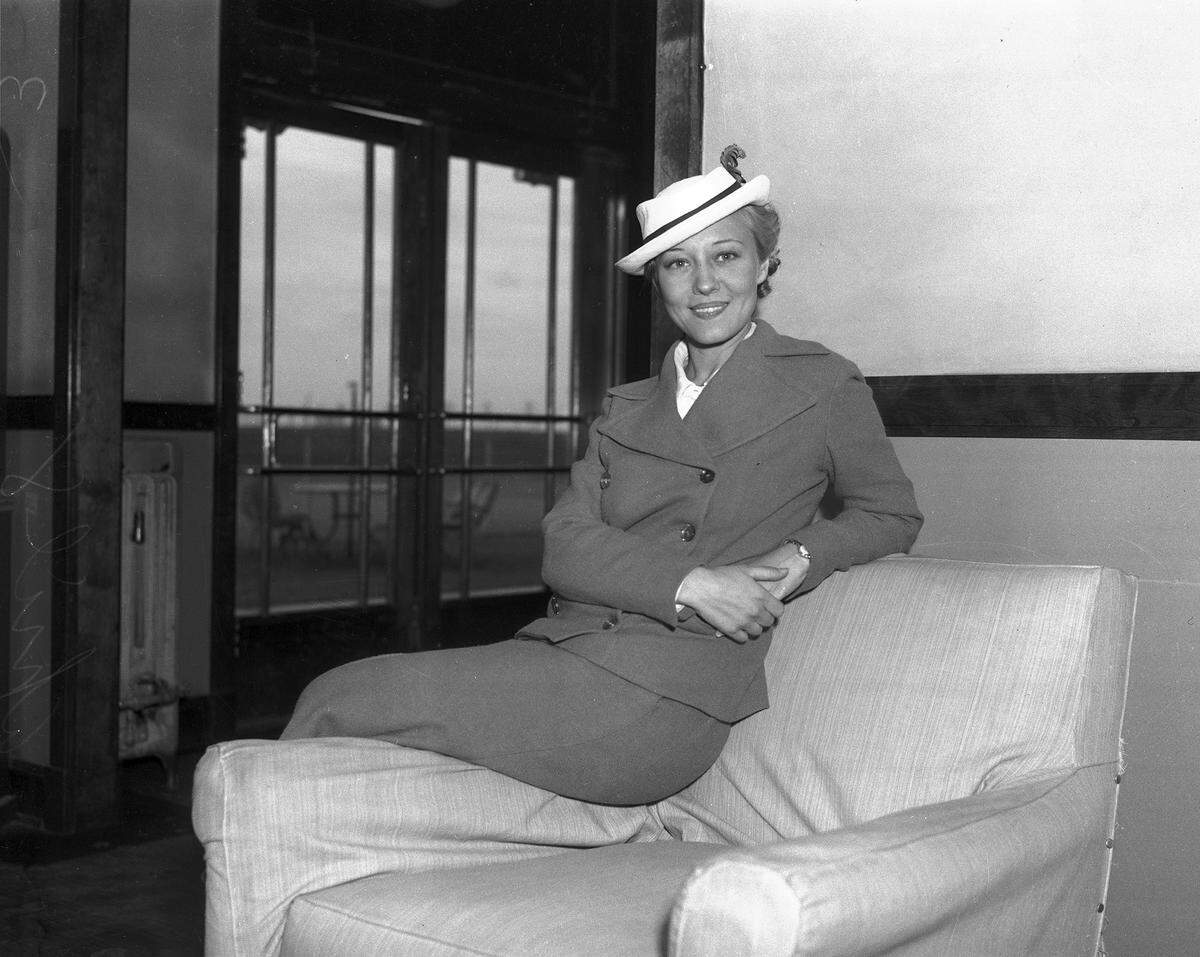
Another stage star wasn’t from Fort Worth, but her performances here left nothing to the imagination.
In 1936, burlesque dancer Sally Rand was 32 when she brought her peekaboo balloon dance to the Frontier Centennial, an exposition organized by Star-Telegram publisher Amon G. Carter to compete with the Texas Centennial fair in Dallas.
“Sally Rand’s Nude Ranch” was among the best-attended events at the festival, which also included a “Casa Mañana Revue” dinner show produced by Broadway showman Billy Rose feasturing orchestra leader Paul Whiteman.
A billboard outside Fair Park in Dallas promised “Wild & Whoo-pee — 45 minutes west.”
7. We’re the home of indoor rodeo. But not the one you think
Fort Worth didn’t invent cowboys or rodeo.
But we did bring them inside.
The Stock Show rodeo, the first indoor contests called a “rodeo,” began in 1918 in what is now Cowtown Coliseum.
The rodeo has its own list of firsts: It was the first rodeo to release bucking broncs sideways from a bucking chute, the first rodeo to be broadcast on radio or on network TV (thanks to Carter’s WBAP, now KXAS/Channel 5 of Fort Worth, which was the first TV station in the southwest or south central U.S.).
But technically, the Stock Show rodeo wasn’t the first indoor rodeo.
A year earlier, in 1917, Lucille Mulhall’s Round-Up came to the coliseum for “frontier sports,” roping and bronc riding contests. The newspaper called it “the championship riding contests of the Southwest.”
“It was a competition, for prize money, under a roof — as far as we’re concerned, that was the first indoor rodeo,” curator Richard Rattenbury of the Oklahoma-based National Cowboy & Western Heritage Museum said in a 2012 interview.
We didn’t know it at the time.
But it was our first rodeo.
This story was originally published June 1, 2019 at 6:00 AM with the headline "Cowtown’s birthday: At 176, here are 7 things Fort Worth is known for | Opinion."