
Next man to be executed in Texas may be innocent
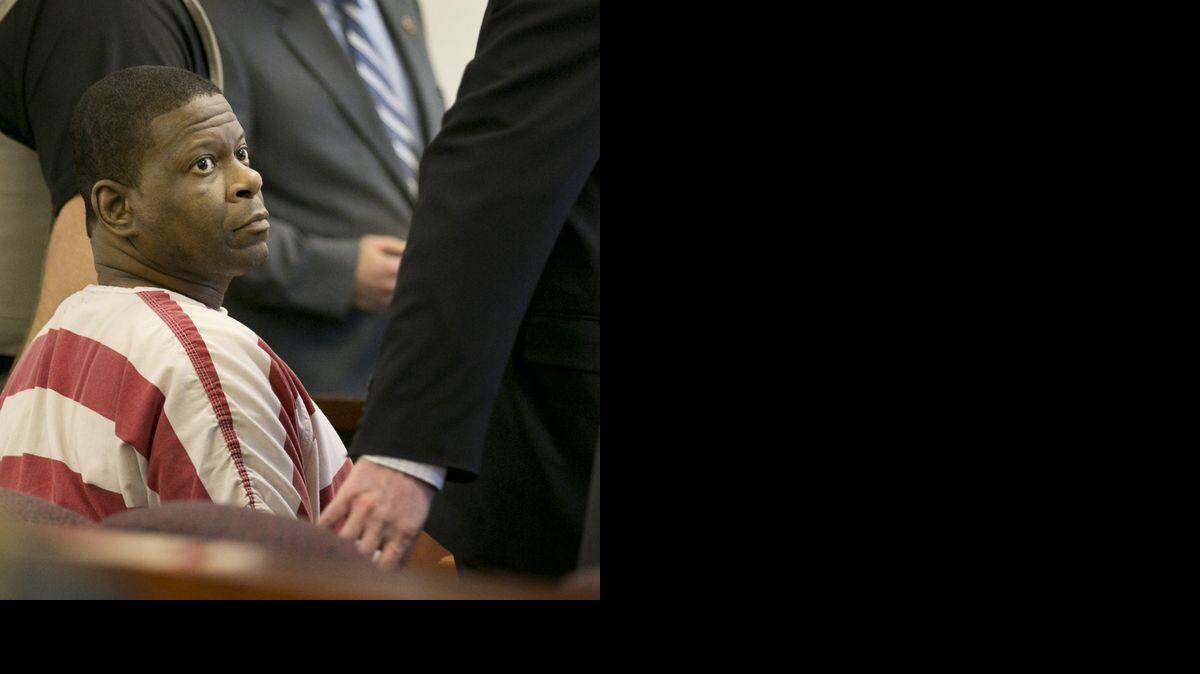
Texas has already executed three people this year, and eight more Death Row inmates have been scheduled to die during the next three months.
The next execution is set for March 5 and, if carried out, could very well be the killing of an innocent man.
Rodney Reed was convicted of the 1996 rape and murder of Stacey Stites, 20, whose body was discovered on the side of a road in Bastrop County.
New evidence from three nationally known forensic pathologists, as well as the original medical examiner in the case, indicates that she was killed several hours before the time of death (around 3:30 a.m.) that was cited at Reed’s trial, and that the sexual contact was hours before that.
Reed’s lawyers have submitted to the trial court and the Texas Court of Criminal Appeals affidavits from those pathologists, including Dr. Michael Baden, former chief medical examiner of New York City; Dr. LeRoy Riddick, former state medical examiner of Alabama; and Dr. Werner Spitz, author of the textbook Medicolegal Investigation of Death, the forensic pathology bible.
The Austin Chronicle reported that, after studying autopsy reports, other documents and photos and videos of the crime scene, “the three independently concluded that enough inconsistencies exist to debunk the belief that Stites died the morning of April 23. Instead, as Spitz specifies: “all findings point to a postmortem interval of about 20-24 hours prior to the time the body was filmed” (shortly after 5 p.m.).
If that’s the case, Reed’s attorney Bryce Benjet said, “It is medically and scientifically impossible for Mr. Reed to have committed the crime.”
The courts should stop this execution while the state formally re-investigates this case and, if the facts warrant, Reed should be exonerated. At the very least, this man deserves a new trial.
And lest you think that mistakes of this magnitude don’t happen, just consider that this state has had 185 exonerations since 1989 and led the nation last year with 39 of the 125 exonerations recorded, according to a report released last month by The National Registry of Exonerations.
One encouraging thing about the new report is that there was cooperation by county prosecutors. Newly created Conviction Integrity Units help examine the cases of people who might have been wrongly convicted.
“There were 49 CIU exonerations in 2014, including 10 murder exonerations in Brooklyn, and 29 of the 33 Harris County drug crime exonerations,” the report stated.
Dallas and Harris counties now have CIUs. More should be created in this state.
In many of the Houston cases, defendants pleaded guilty to crimes before seized “drugs” were tested. In fact, they admitted to committing crimes that didn’t exist.
It is not uncommon for innocent people to plead guilty to avoid long jail stays while awaiting trial, or to accept a lesser prison term than they would likely receive should a jury find them guilty.
I’ve had people say to me that the “exonerations prove that the system works. Once we determine they’re innocent, we set them free.”
That’s nonsense.
How do you rationalize sending people to prison for a number of years, much less sentencing them to death, for something they didn’t do?
“Excluding the drug cases, most of those exonerated in 2014 were convicted 10 to 39 years before,” the registry’s report states. “We can’t tell from those cases whether we’re getting better or worse at avoiding wrongful convictions in the first place.”
Yes, at some point we have to figure out ways to stop these injustices, and in recent years there has been some legislative action to clean up the criminal justice process.
But at the same time, we must be bold enough to act in cases like Rodney Reed’s.
Somehow this execution must be stopped.
Bob Ray Sanders’ column appears Sundays and Wednesdays. 817-390-7775
Twitter: @BobRaySanders
This story was originally published February 17, 2015 at 6:25 PM with the headline "Next man to be executed in Texas may be innocent."