
Be prepared for strong thunderstorms in North Texas Thursday afternoon
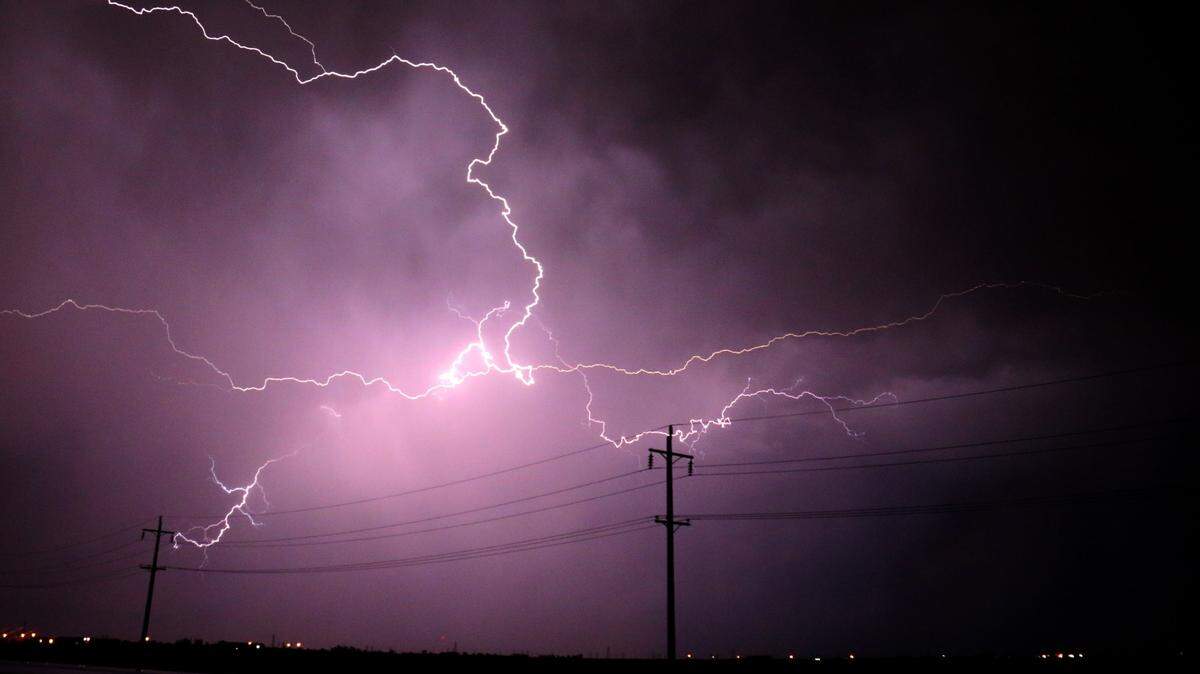
A weather alert issued by the NWS Fort Worth TX on Thursday at 2:19 p.m. is warning residents of strong thunderstorms until 3 p.m. The alert is for Denton, Collin and Dallas counties.
Residents may experience wind gusts of up to 40 mph.
"At 2:19 p.m., Doppler radar tracked a strong thunderstorm near Plano, moving southwest at 15 mph," states the NWS. "Gusty winds could knock down tree limbs and blow around unsecured objects."
Expect strong thunderstorms in the following locations:
• Dallas, Plano, Carrollton, Frisco, The Colony, and Hebron around 2:25 p.m.
• Richardson and Addison around 2:30 p.m.
• Farmers Branch around 2:40 p.m.
Other locations impacted by this storm include Buckingham and White Rock Lake this includes Interstate 35E between mile markers 438 and 447.
According to the NWS, "If outdoors, consider seeking shelter inside a building. Torrential rainfall is also occurring with this storm and may lead to localized flooding. Do not drive your vehicle through flooded roadways."
This alert is in effect until 3 p.m.
How to react when facing a lightning hazard?
Lightning hits the United States approximately 25 million times annually. The majority of these strikes happen during the summer, causing around 20 fatalities each year, according to the NWS. The likelihood of lightning increases as a thunderstorm gets closer and reaches its highest point when the storm is directly overhead. This risk decreases as the storm moves away.
Here are suggestions for staying safe during a thunderstorm:
• To minimize risk of being struck by lightning, when going outside, have a plan to get to a safer place.
• If the sky becomes threatening and thunder can be heard, find a safe place to shelter.
• Once indoors, avoid touching corded phones, electrical equipment, plumbing, and windows and doors.
• Wait 30 minutes after the last lightning or thunder before going back outside.
If finding indoor shelter is not an option:
• Avoid open fields, the top of a hill, or a ridge top.
• Avoid tall, isolated trees or other elevated objects. If you are in a forest, stick to areas with shorter tree cover.
• If you are in a group, disperse to prevent the current from passing between group members.
• When camping in an open environment, select a campsite in a valley, ravine, or low region. Just remember, tents do not offer protection from lightning.
• Keep a distance from water, wet articles, and metal objects. While water and metal do not draw lightning, they are proficient conductors of electricity.
Rainy weather driving tips
• Turn on headlights — Even in daylight, using headlights can help improve visibility and let other drivers know where you are.
• While on the road — Opt for the middle lanes and remain on higher ground. Rainwater tends to gather along the road edges.
• Steer clear of puddles — Driving into puddles or low areas of rainwater can cause vehicles to hydroplane or skid out of control.
• Do not follow large vehicles closely — Large vehicles like trucks or buses can create a spray of water that can reduce your visibility.
• Steer clear of flooded areas — When coming to a flooded road, turn around and head back. Flash flooding currents are strong and can sweep drivers off roadways. Driving through deep water can also affect a vehicle’s mechanical and electrical systems.
What is hydroplaning?
Hydroplaning is the term for when a vehicle begins sliding uncontrollably on wet roads.
This happens when water in front of the tire builds up faster than the vehicle’s weight can push water out of the way. The water pressure then causes the vehicle to rise and slide on a thin layer of water between the tires and the road, making the driver lose control. The three main causes of hydroplaning are:
1. Vehicle speed — When a vehicle’s speed increases, the tire-traction grip and ability to control the vehicle decreases. Drive at a reduced speed during wet weather.
2. Water depth — The deeper the water, the sooner a vehicle loses traction on the road. It doesn’t matter how deep the water is, even a thin layer can lead to hydroplaning.
3. Tire tread depth — Checking your tire tread before hitting the road is important, as low or no tread can lead to sliding.
In the event of your vehicle hydroplaning, here’s what to know:
• Ease off the accelerator — Step off the gas to slow down the vehicle until the tires find traction.
• Turn into the skid — Turning into the skid can help the vehicle’s tires realign to regain control.
• Make sure the tires reconnect with the road — During the skid, wait until the tires reconnect with the road and then gently straighten the wheels to regain control.
• Brake gently as needed — Brake normally if the vehicle has anti-lock brakes and pump brakes gently if in an older vehicle.
Source: The National Weather Service
This story was originally published July 18, 2024 at 2:34 PM with the headline "Be prepared for strong thunderstorms in North Texas Thursday afternoon."