
North Texas under a flood advisory Friday evening, says the NWS
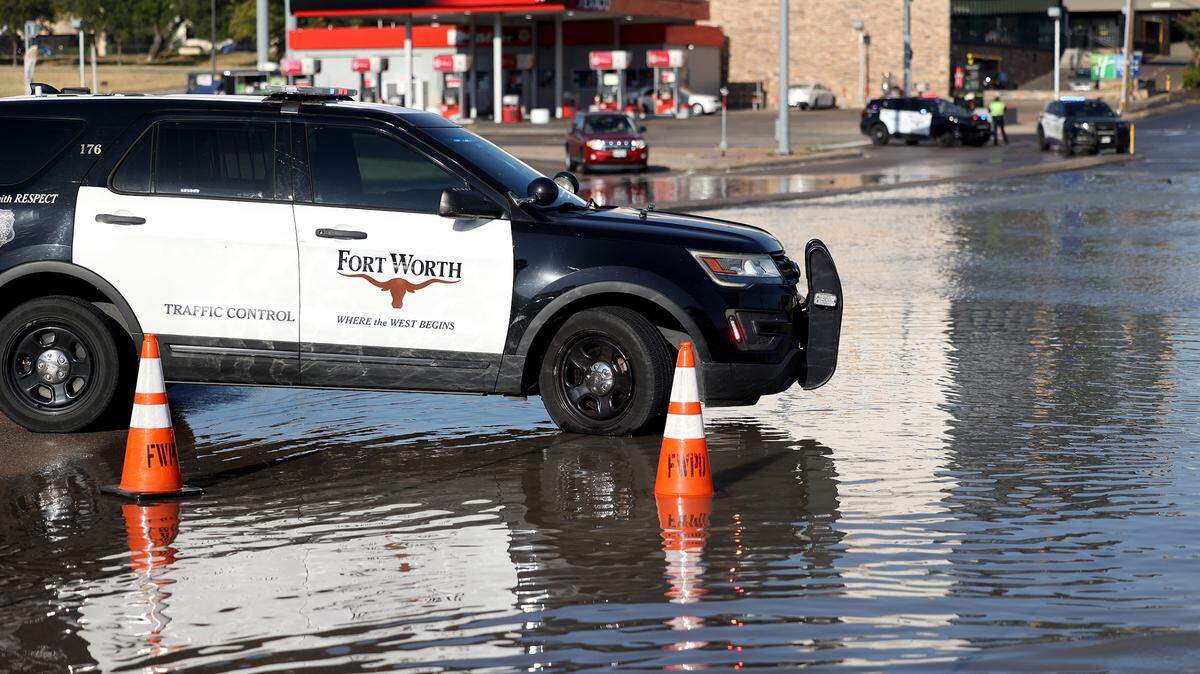
On Friday at 5:35 p.m. the NWS Fort Worth TX issued a flood advisory. The advisory is for Dallas, Kaufman and Rockwall counties.
Urban and small stream flooding caused by excessive rainfall is expected for Dallas, Kaufman and Rockwall counties until 7 p.m.
"Minor flooding in low-lying and poor drainage areas," explains the NWS. "Turn around, don't drown when encountering flooded roads. Most flood deaths occur in vehicles."
This advisory is in effect until 7 p.m.
Ways to stay safe during a flood according to the NWS
In case you reside within a flood-prone area or are currently camping in a low-lying zone, it is crucial to promptly seek higher ground. If told to evacuate, do so immediately. Ensure your home is securely locked when vacating the premises. If time permits, disconnect utilities and appliances. Avoid entering basements or rooms with submerged electrical outlets or cords. Should you observe sparks or hear buzzing, crackling, snapping, or popping sounds, evacuate immediately. Refrain from entering water that might carry an electric current and avoid walking through floodwaters. Remember, as little as 6 inches of moving water can knock you off your feet. If trapped by moving water, seek the highest possible point and contact emergency services by calling 911.
When heavy rain occurs, there is a potential for flooding, particularly in areas that are low-lying or prone to floods. It is crucial to never drive through water on the road, even if it appears shallow. According to the NWS, as little as 12 inches of fast-flowing water can carry away most vehicles.
What steps to follow when driving in the rain?
• Switch on headlights — Even during daylight hours, using headlights can enhance visibility and signal your presence to other drivers.
• While driving — Stick to the middle lanes and stay on elevated ground. Rainwater tends to accumulate at the road edges.
• Avoid puddles — Driving into puddles or low rainwater areas can lead to vehicles hydroplaning or losing control.
• Don't tail large vehicles closely — Trucks or buses can kick up a water spray that obstructs visibility.
• Avoid flooded areas — When encountering a flooded road, do a U-turn and head back. The strong currents from flash floods can pull drivers off roadways. Driving through deep water can also negatively affect a vehicle's mechanical and electrical systems.
What is hydroplaning?
Hydroplaning occurs when a vehicle begins to slide uncontrollably on wet roads.
This happens when water in front of the tire builds up faster than the vehicle’s weight can push water out of the way. The water pressure then causes the vehicle to rise and slide on a thin layer of water between the tires and the road, making the driver lose control. The top three contributors to hydroplaning are:
1. Vehicle speed — When a vehicle’s speed increases, the tire-traction grip and ability to control the vehicle decreases. Drive at a reduced speed during wet weather.
2. Water depth — The deeper the water, the sooner a vehicle loses traction on the road. It doesn’t matter how deep the water is, even a thin layer can lead to hydroplaning.
3. Tire tread depth — Checking your tire tread before hitting the road is important, as low or no tread can lead to sliding.
In the event of your vehicle hydroplaning, here’s what to know:
• Ease off the accelerator — Step off the gas to slow down the vehicle until the tires find traction.
• Turn into the skid — Turning into the skid can help the vehicle’s tires realign to regain control.
• Make sure the tires reconnect with the road — During the skid, wait until the tires reconnect with the road and then gently straighten the wheels to regain control.
• Brake gently as needed — Brake normally if the vehicle has anti-lock brakes and pump brakes gently if in an older vehicle.
Source: The National Weather Service
This story was originally published March 8, 2024 at 5:45 PM with the headline "North Texas under a flood advisory Friday evening, says the NWS."