
Is a ‘Blue Norther’ headed our way? Here’s what that means.
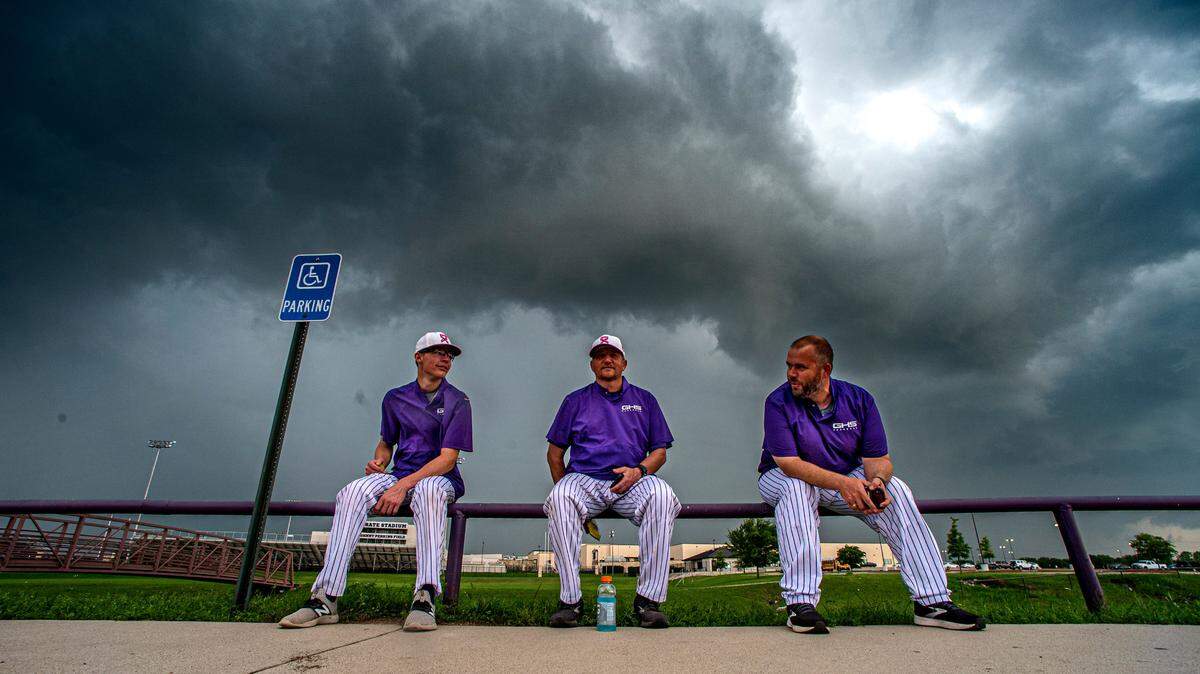
As temperatures dip to near freezing in North Texas later this week, this may be a good time to bring up the weather phrase “Blue Norther.”
The phenomenon mostly occurs in large swaths of the world’s temperate regions, according to the Texas State Historical Association. But it is commonly associated with the Texas Panhandle.
“A Blue Norther is a fast-moving cold front that causes temperatures to drop dramatically and quickly. Common characteristics are a dark blue-black sky, strong winds, and temperatures that can drop 20-30 degrees Fahrenheit in a few minutes,” according to weather.com.
How the phenomenon got its name is not exactly clear. Here are three folk attributions, according to the Texas historical association.
- First, some say the term refers to a cold coming from the north that sweeps into Texas under a blue-black sky – a cold front named for the appearance of its leading edge.
- A second account says the name refers to the appearance of the sky after the front has blown through, “as the mid-nineteenth century variant blew-tailed norther illustrates.”
- A third account states that the name comes from what happens after one turns blue from the cold.
So, now you know.