Sports betting is illegal in Texas. What about prediction markets like Kalshi?
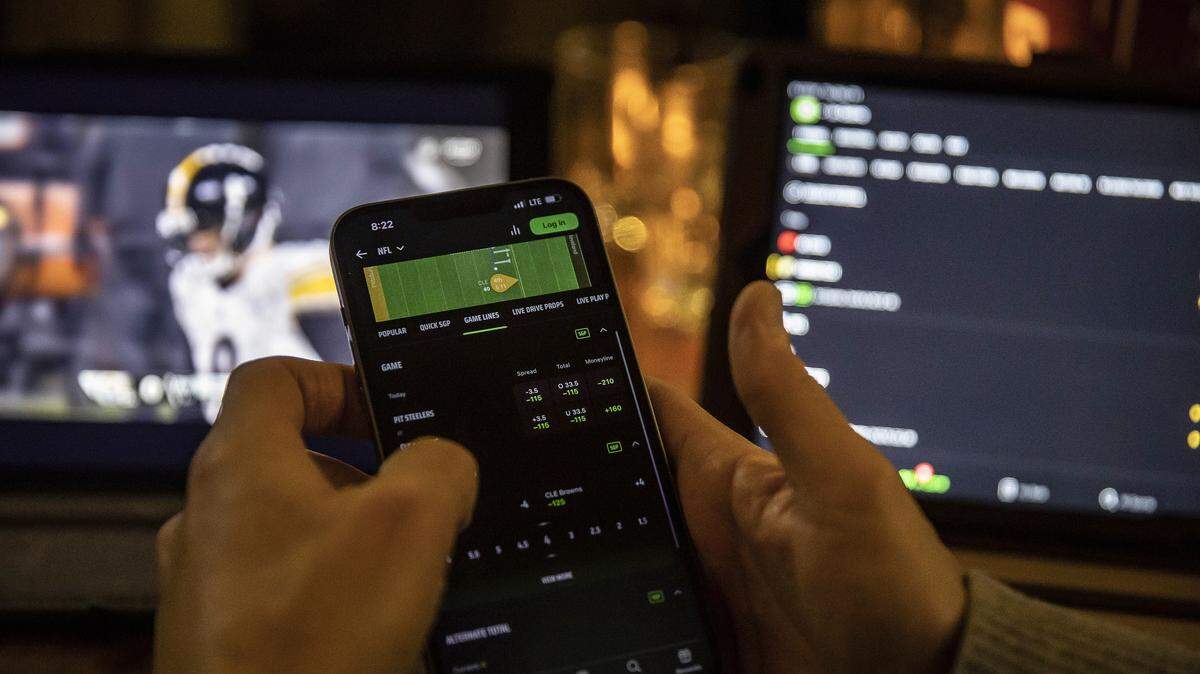
Sports betting is illegal in Texas, but that doesn’t mean it doesn’t happen.
Prediction markets like Kalshi and Polymarket allow people to make money based on what they think will happen in sports, politics and other real world events.
The platforms have grown in popularity, giving users a way to put their predictions to the test.
But if Texas doesn’t allow sports betting, how can these markets operate in the state? Are they legal?
Here’s what to know.
Are prediction markets legal in Texas?
Yes. Prediction markets can legally operate in Texas because they’re regulated by the federal government rather than under state gambling laws.
In the U.S., prediction markets are referred to as “event contract markets.” The Commodity Futures Trading Commission regulates those markets, where people can trade contracts based on whether a future event will happen.
Kalshi, for example, is regulated by the CFTC as a designated contract market, a type of financial exchange approved and overseen by the federal agency.
That federal oversight allows Kalshi to offer its prediction market to users in Texas.
How are prediction markets different from sports betting?
The biggest difference between prediction markets and traditional sports betting is how people put their money on an outcome.
For example, on a prediction market, a contract could ask whether a team will win its next game. Users can then trade “Yes” or “No” contracts with other users based on what they think will happen.
The price of each contract can range from 1 cent to 99 cents. If a contract is trading at 70 cents, for example, the market is estimating a roughly 70% chance the event will happen, according to Sports Illustrated.
Once the outcome is decided, a correct contract is worth $1 and an incorrect contract is worth nothing.
Traditional sportsbooks work differently. A sportsbook sets the odds for a game or other event, and a person places a bet with the sportsbook based on those odds.
Instead of betting against a sportsbook, prediction market users trade contracts with each other, and prices change based on what people are willing to buy and sell.
Could Texas ban or restrict prediction markets?
Texas leaders are already considering whether the state should crack down on prediction markets.
Lt. Gov. Dan Patrick has directed the Texas Senate to study what he called a “prediction market gambling loophole” ahead of the 2027 legislative session, according to the Texas Tribune.
The review will look at whether the state needs to regulate the platforms and protect minors from gambling related harm.
The Texas Medical Association is also calling for restrictions on prediction markets, including requiring users to be at least 21 years old and limiting advertisements that target children and young adults.
But whether Texas can regulate federally overseen prediction markets remains an open question.
The CFTC has maintained that it has exclusive authority over event contract markets, setting up a broader debate over how much power states have to restrict the platforms.