Texas police can now arrest people suspected of entering U.S. illegally. What to know
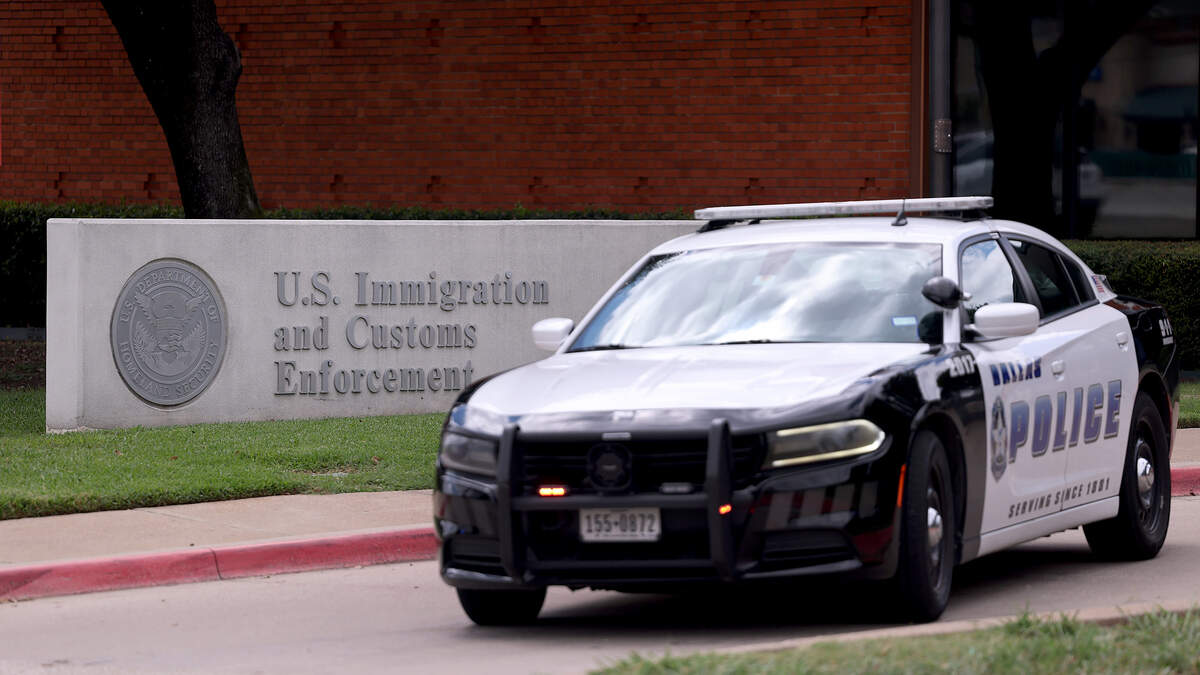
Texas police can now arrest people they suspect entered the country illegally under a state law that had been blocked for years.
A federal appeals court recently allowed Senate Bill 4 to take effect after overturning a lower court order that had kept the measure on hold.
The law creates new state crimes for illegal entry and reentry and allows judges to issue return orders in certain cases.
Supporters call the law a major border security victory, while critics warn it could lead to wrongful arrests and racial profiling.
Here’s what to know.
What can Texas police do under Senate Bill 4?
The law allows police to arrest people they believe crossed into the country through Texas illegally without waiting for federal immigration authorities to take action.
It also applies to people who return to the country after being deported, removed or denied admission.
After an arrest, the person can be taken before a judge or magistrate, who may then issue a return order requiring them to return to the country they left before coming to the United States.
If the person agrees to comply with that order, the judge may dismiss the criminal charge.
What penalties can someone face under Senate Bill 4?
People who refuse to comply with a return order can face additional criminal penalties under the law.
According to SB 4, a person accused of illegally entering the country can be charged with a Class B misdemeanor, which is punishable by up to 180 days in jail.
A person accused of illegally reentering the country after being denied admission, deported or removed can face a second-degree felony charge.
Under Texas law, a second-degree felony is punishable by two to 20 years in prison.
Where can’t Senate Bill 4 be enforced?
According to the law, officers generally cannot arrest someone under SB 4 at a public or private primary or secondary school.
The law also restricts arrests at places of worship and health care facilities when a person is receiving medical treatment.
In addition, officers generally cannot make arrests under SB 4 at facilities where sexual assault forensic medical examinations are performed.
These restrictions were included as lawmakers debated how and where the law could be enforced.
What are people saying about Senate Bill 4?
After the Fifth U.S. Circuit Court of Appeals lifted the injunction, Attorney General Ken Paxton celebrated the ruling.
“Texas’s right to arrest illegals, protect our citizens, and enforce immigration law is fundamental,” Paxton wrote in a news release. “This is a major victory for public safety and law and order,” Paxton said.
Critics argue immigration enforcement should remain the responsibility of the federal government.
In guidance published after SB 4 took effect, The ACLU of Texas said “S.B. 4 places our communities and those traveling in Texas at higher risk of racial profiling and over policing. In that respect, we are all at risk, but our Brown and Black communities are at greater risk of enforcement of this cruel and unlawful law.”