Can you go to jail for not signing a traffic ticket in Texas? What to know.
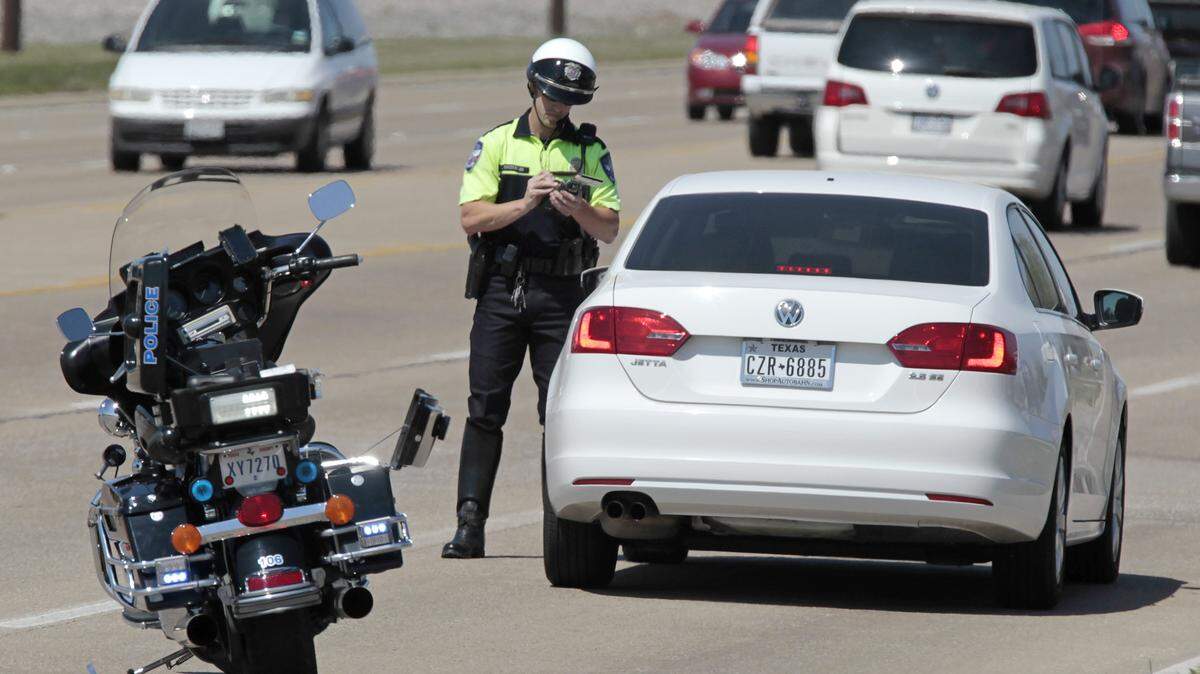
What happens when a police officer in Texas hands you a traffic ticket and asks you to sign it, and you don’t want to? Do you legally have to sign, and if you do, does that mean you’re admitting fault?
In Texas, that moment can quickly change how a traffic stop unfolds, especially if you refuse right there on the side of the road.
Before you find yourself in that situation, here’s what to know.
Can I go to jail for not signing a traffic ticket in Texas?
Yes. According to the Texas Transportation Code, an officer can only release you from custody if you sign a written promise to appear in court.
“If they refuse to sign the citation, the person could sit in jail until the court date. Or alternatively, sign a promise to appear and be released from jail to appear in court at a later date,” Texas attorney Eric Toberson said in a blog post.
That means the arrest isn’t for the traffic violation, it’s for refusing to sign the citation.
“By signing the citation, a person is only promising to appear. They are not admitting to an offense,” Toberson said.
Refusing to sign may seem like a way to push back, but Toberson said it’s best not to argue on the roadside.
“Sign the ticket and argue about it later in court. Sure, this will cost money and time. But the alternative will cost money, time and being arrested and jailed,” he said.
Are there any traffic violations where I wouldn’t be arrested?
Yes. Toberson said most routine traffic violations are handled with a citation and release, as long as you sign the ticket.
That includes offenses like speeding, texting while driving, and open container violations.
In those cases, you’re typically allowed to leave after signing and deal with the ticket later.
“However if a driver is speeding considerably over the speeding limit there is a possibility of being arrested for reckless driving,” Toberson said.
Toberson also noted that if racing leads to a death or serious injury, the charge can be elevated to a second-degree felony, punishable by up to 20 years in prison.
This story was originally published March 27, 2026 at 11:06 AM.