
Is it illegal to pick Texas’ state flower? What to know during bluebonnet season
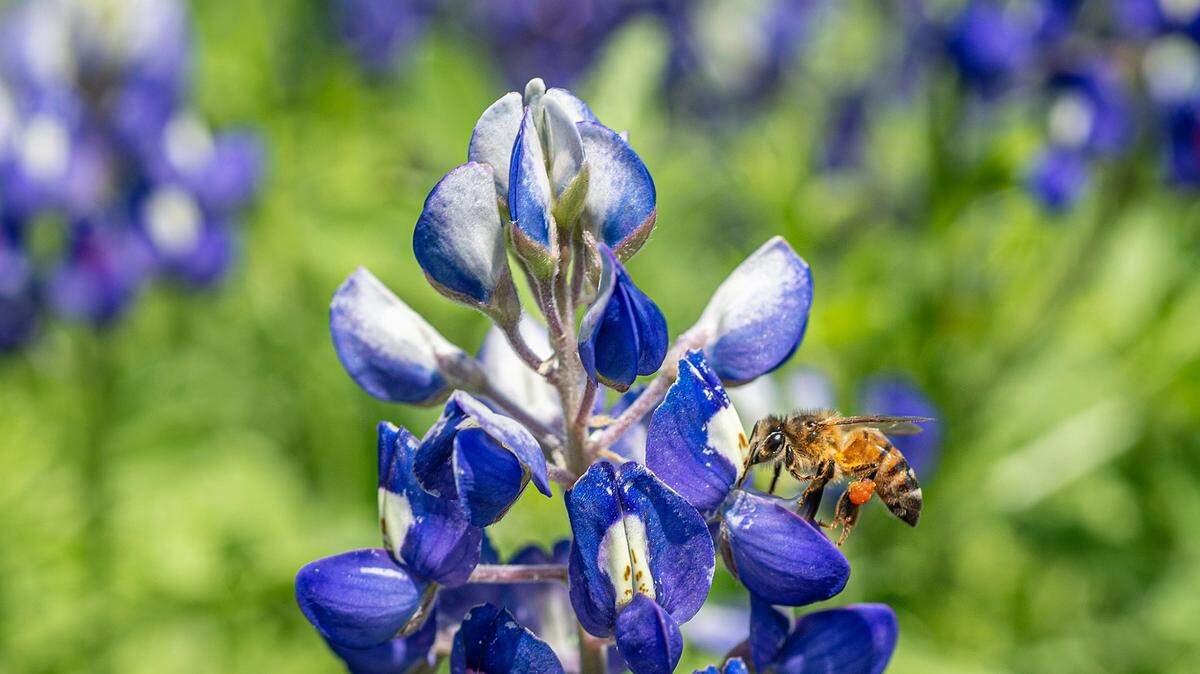
It’s the Texas state flower’s time to shine.
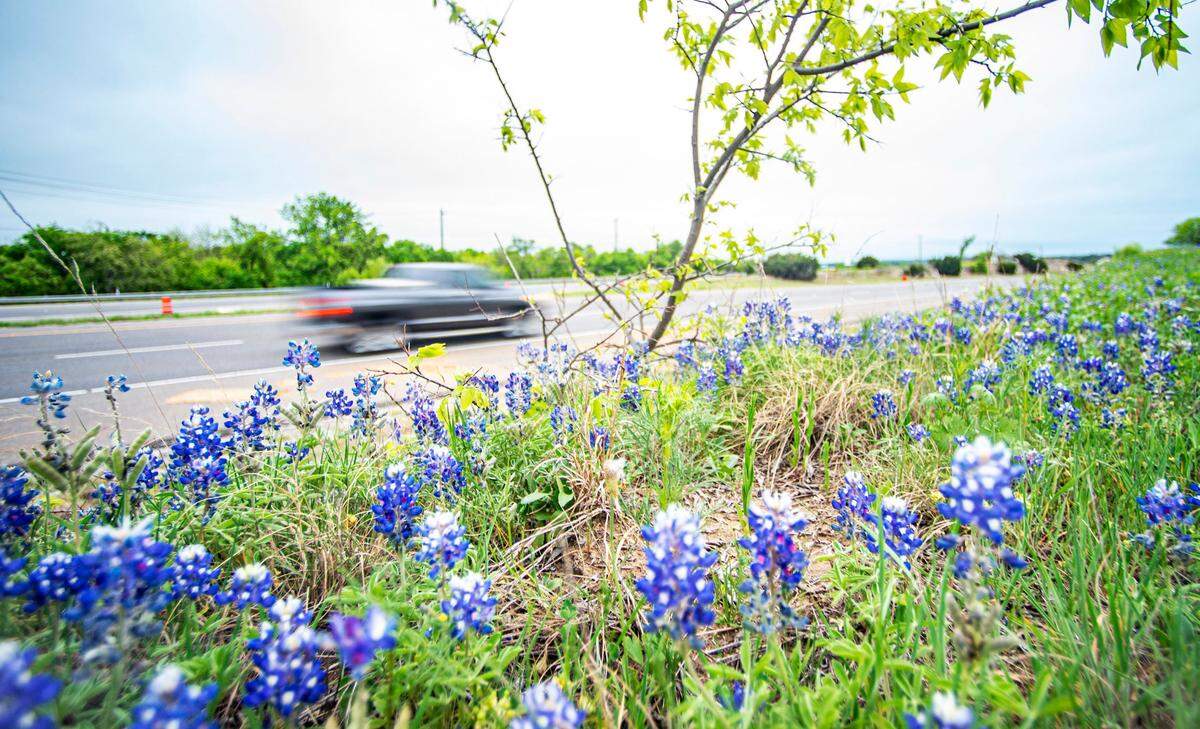
According to the Lady Bird Johnson Wildflower Center, the wildflower capital of Texas, wildflower season begins in mid-March, so Texans may start to notice the sides of highways blanketed by the blue and purple bluebonnets.
Bluebonnets are the pride of Texas. The 27th Texas Legislature adopted the bluebonnet as the state flower on March 7, 1901. The wildflowers get their name from the individual bloom’s resemblance to the sunbonnets women wore to guard against the grueling Texas sun.
They thrive on poor, rocky soil under a full sun, which is why they thrive in Texas on pastures that have been heavily grazed or experienced recent fires and on land that has been mown, such as roadsides.
But is it against the law to pick the purple state flower?
Whether you see bluebonnets on whim while driving along Interstate 30, or if you are planning a road trip dedicated to Texas wildflowers, here’s what you should know when frolicking about.
Is it legal to pick bluebonnets?
Contrary to popular rumor, there is no law that prohibits picking bluebonnets in Texas, according to the Texas Commission on Environmental Quality “Take Care of Texas” campaign.
You can also take photos with the bluebonnets as long as you don’t damage the flowers.
TxDOT discourages picture-taking that damages the flowers because if too many are trampled, they will die and not go to seed.
Some state parks or protected lands in Texas may kindly ask visitors to avoid picking the state flower. But as far as public land goes, Texans can pick bunches of bluebonnets all they want.
When do Texas bluebonnets bloom?
The typical bluebonnet season is from March through May, but more wildflowers can be seen at different times of the year depending on the region.
The TxDOT plant hardiness zones are:
- Region 6: Early April – Mid August
- Region 7: Late March – Mid September
- Region 8: Mid March – Late October
- Region 9: Early March – Early November
Tarrant County is situated in both regions 7 and 8, so other native wildflower species can be found in the fall once bluebonnets are out of bloom. However, peak bluebonnet season is during April.
This article was inspired by reporting from former Fort Worth Star-Telegram service journalism editor David Montesino.