Medicaid restrictions could lead to 45,000 missed cancer screenings in Texas
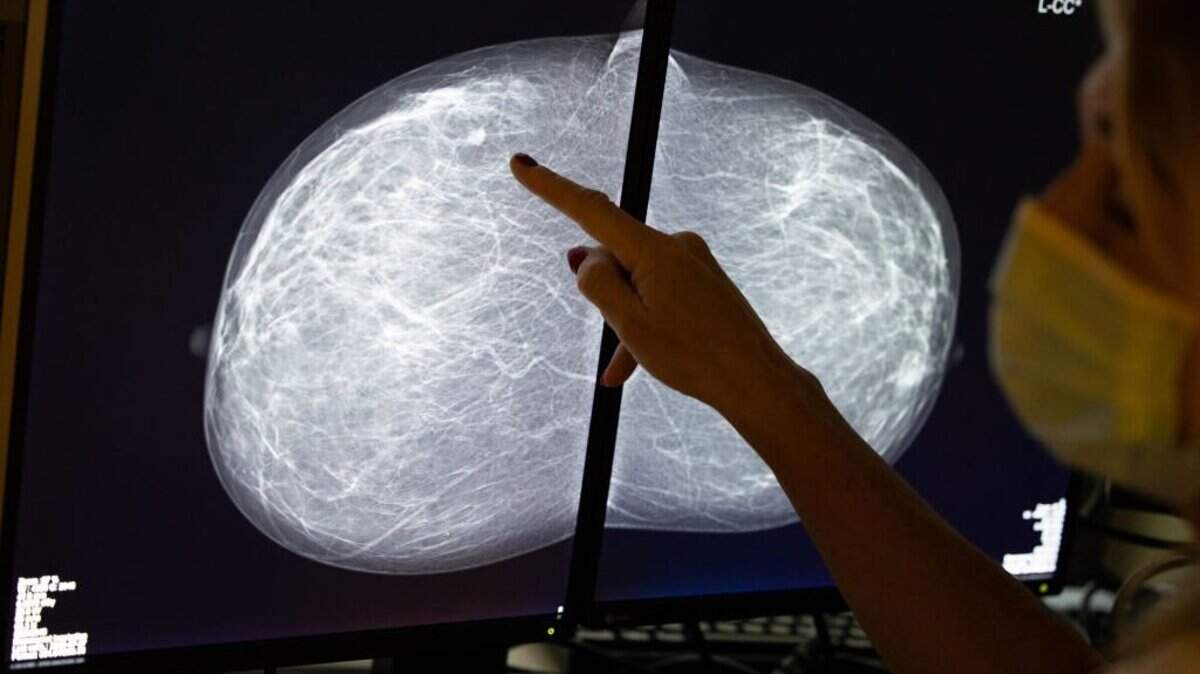
New Medicaid restrictions could lead to 45,000 missed breast, lung and colorectal cancer screenings in Texas, a new study projects.
Next year, new Medicaid requirements passed as part of the One Big Beautiful Bill Act will go into effect. These requirements will cause an estimated 7.5 million people nationally to lose Medicaid over the first two years. A study published this month in JAMA Oncology estimates that those who lose health insurance will miss more than 1.1 million cancer screenings over two years. Those missed screenings will lead to 155 preventable deaths, according to the study.
In Texas, the study projects that there will be 45,107 missed screenings, about 85 additional cancer cases, 12 excess late-stage cancers, and at least five preventable deaths from those cancers across two years.
“These policy decisions, whether you agree with them or not, they do have real-world consequences for real patients,” said Dr. Adrian Diaz, a surgical oncologist and co-author of the study.
Diaz noted that the study measures only a share of the preventable deaths that will come from people losing health insurance. The research doesn’t account for those Medicaid enrollees who might lose coverage while they are already undergoing cancer treatment.
President Donald Trump signed the One Big Beautiful Bill Act last year. The law cuts nearly $1 trillion from Medicaid, in part by requiring states to check that Medicaid recipients are working or doing another qualifying activity for at least 80 hours a month. The law also requires states to re-verify that recipients are still eligible for the program every six months. The new requirements go into effect in 2027.
The study used data from two previous Medicaid experiments to project how many people will be removed from Medicaid. First, the study used data from Arkansas’ work requirements, which were in place from 2018 to 2019. The study also used data from the Medicaid unwinding process, when states had to check whether enrollees were still eligible for the program after protections from the COVID-19 pandemic had expired.
The requirements will have a smaller effect in Texas, because the state is one of 10 that has decided not to expand Medicaid to cover more low-income adults. As a result, most of the adults on Medicaid in Texas are disabled, pregnant or recently gave birth. Still, Texas Medicaid covers about 958,000 Texans over the age of 21, according to state data.
Diaz noted that the study doesn’t capture those adults in Texas who are uninsured. Texas has the highest rate of uninsured residents in the nation, with 21.6% of adults lacking coverage, according to the U.S. Census. Those uninsured adults won’t be impacted by the new Medicaid requirements, Diaz said, but are likely already missing cancer screenings.
“The projections from our study have been the reality many uninsured Texans have been experiencing for years,” Diaz said.