When can I legally stand my ground, using deadly force? What Texas law says
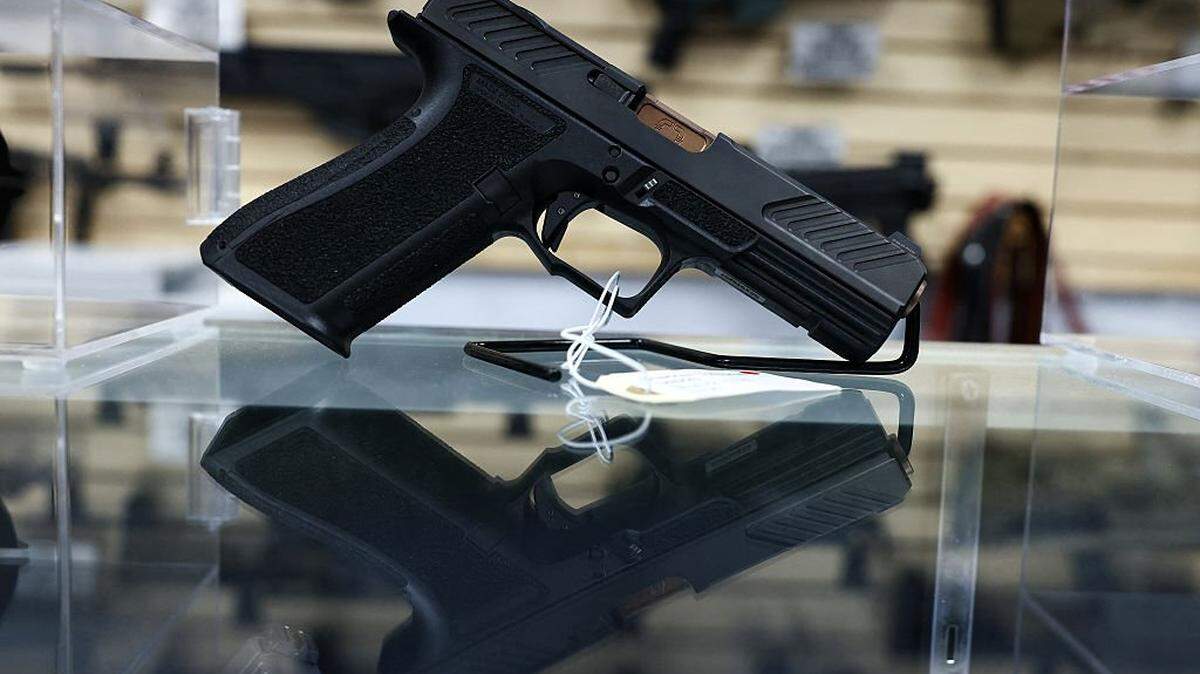
Most people never expect to face a moment where they have to protect themselves with deadly force, but it can happen anywhere.
A parking lot after dark, a tense moment on the road, even your own front porch.
Texas law gives you the right to defend yourself without trying to run away first, but that right comes with strict rules that not everyone knows.
Before you ever find yourself making a split-second decision, it helps to understand how the law actually works.
What does ‘stand your ground’ mean in Texas?
Stand your ground in Texas means you don’t have a legal duty to retreat before defending yourself, if you’re in a place where you’re allowed to be.
That includes your home, car, workplace or public spaces.
According to the Texas Penal Code, this applies if you “reasonably believe the force is immediately necessary” to protect yourself from an imminent threat.
Your belief doesn’t have to be perfect, but it has to make sense to the average person. The danger also has to feel real at the moment, not something that might happen later.
It’s also important to know that “stand your ground” doesn’t give you permission to use any level of force you want.
For example, if someone swings at you in a parking lot, you don’t have to run away, but that doesn’t mean you’re allowed to shoot them.
The law still requires that the force you use matches the level of the threat.
Stand your ground also doesn’t guarantee protection from charges. Authorities will still review what happened and decide whether your actions were reasonable for the situation.
When can I legally use deadly force in Texas?
Deadly force has a much higher standard than regular self-defense.
According to the Texas Penal Code, you can use deadly force only in very serious situations, including aggravated kidnapping, murder, sexual assault or robbery.
The danger has to be happening right then.
For example, if someone breaks into your home at night, the law sees that as an immediate threat. In a moment like that, a higher level of force may be justified because someone has forced their way into your space.
This idea connects to the castle doctrine, providing stronger protections when you’re defending yourself in places like your home, your car, or your workplace.
The doctrine allows the law to assume your response was reasonable when someone enters those spaces unlawfully and with force.
Officials may still review what happened afterward, but the main question is whether the threat at that moment was serious enough to justify your response.
Are there any limits or exceptions to the stand your ground law?
Texas law doesn’t apply stand your ground protections to every situation.
You can’t claim self-defense if you started the fight or escalated the conflict. You also can’t claim it if you were committing a crime at the time.
Verbal threats alone don’t count because the danger has to be immediate and physical.
Texas law firm Harrell and Paulson notes that “excessive force beyond what is necessary to neutralize an imminent threat could lead to legal complications and potential charges,” even if you believed you were protecting yourself.
What can affect my self-defense claim in Texas?
Several things can weaken or cancel a self-defense claim, according to Harrell and Paulson law firm.
That includes:
- Provoking someone on purpose and then trying to claim self-defense.
- Acting in a way a reasonable person wouldn’t see as dangerous or necessary.
- Using far more force than the situation calls for.
- If you were breaking the law during the incident.
If you ever find yourself in a situation where you need to claim self-defense, Harrell and Paulson recommend calling police once you’re safe and sharing only basic details until you speak with a lawyer.
They also suggest saving any evidence that explains what happened, including photos, videos or damaged items.