Sneezing lately? This winter allergy has North Texans reaching for tissues
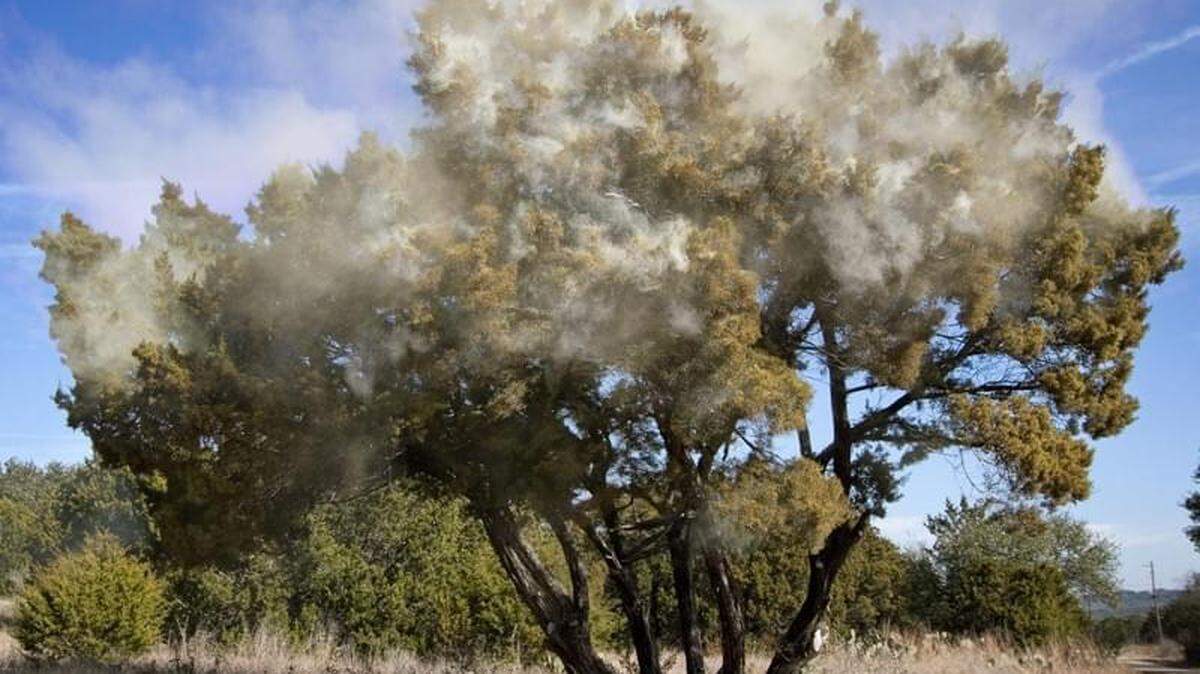
If you’ve been sneezing nonstop or waking up with watery eyes and a stuffy nose, it may not be a winter cold.
North Texas has entered the early stages of cedar fever season, that time of year when mountain cedar trees start releasing thick clouds of pollen into the air.
The fine yellow dust can travel for miles on strong winter winds, coating cars and triggering allergy-like symptoms in thousands of Texans.
This seasonal wave of sniffles isn’t caused by a virus but by a tree that isn’t even a true cedar. Here’s what to know.
What is cedar fever?
Cedar fever is an allergic reaction to pollen from Ashe juniper, a type of juniper tree often called mountain cedar.
Despite the name, these trees aren’t true cedars, they were nicknamed that by early settlers who thought they looked similar.
Each winter, from about mid-December through mid-February, male cedar trees release millions of pollen grains into the air to fertilize nearby female trees.
The pollen is so light that gusty winds carry it far beyond Central Texas, spreading sneezing and congestion across much of the state.
Even people who don’t usually deal with allergies can feel it. Pollen levels are so high that biologists with the Texas A&M Forest Service say it can feel “like trying to breathe in a dust storm.”
And despite its name, cedar fever isn’t a true fever at all. The “fever” part comes from how the allergic reaction can make you feel: tired, inflamed, and slightly warm.
When is cedar fever season in Texas?
Right now, North Texas is in the early part of cedar fever season.
Pollen counts are beginning to climb and will likely peak in late December and January before tapering off around Valentine’s Day.
According to Texas A&M Forest Service experts, cold fronts and strong north winds help move pollen north from the Hill Country into the Dallas-Fort Worth area, often after a temperature drop.
Some years, counts reach 20,000 to 30,000 grains per cubic meter of air, a level that can overwhelm even healthy immune systems.
This year’s cedar season is expected to be typical but intense, thanks to dry conditions and stronger winter winds.
If you’re feeling congested or sluggish after a cold front, chances are it’s not the flu, it’s cedar season kicking in.
What are the symptoms of cedar fever?
Cedar fever can mimic a cold or even the flu, which is why many Texans confuse the two. According to the Cleveland Clinic common symptoms include:
- Runny or stuffy nose
- Sneezing and coughing
- Itchy, watery eyes
- Sore or scratchy throat
- Fatigue or mild fever
- Partial loss of smell or taste
One key difference: if your mucus is clear, it’s likely allergies. If it’s colored or cloudy, you may be dealing with a cold or infection instead.
How can I treat cedar fever?
The best treatment depends on how sensitive you are to cedar pollen.
Most people find relief with over-the-counter antihistamines like Claritin, Zyrtec, or Allegra, or nasal sprays such as Flonase. For severe allergies, doctors may recommend prescription medication or allergy shots.
Allergy experts say it’s best to start medication before pollen peaks, since prevention often works better than waiting until symptoms hit. Other helpful steps include:
- Check daily pollen counts through weather apps or sites like IQAir and Pollen.com
- Limit outdoor time on dry, windy days when pollen spreads most easily.
- Keep windows and doors closed to prevent pollen from coming inside.
- Shower and change clothes after being outdoors.
- Use HEPA filters in your home’s HVAC system or vacuum.