
Oncor plans electricity rate increase. Here’s how much it could cost you
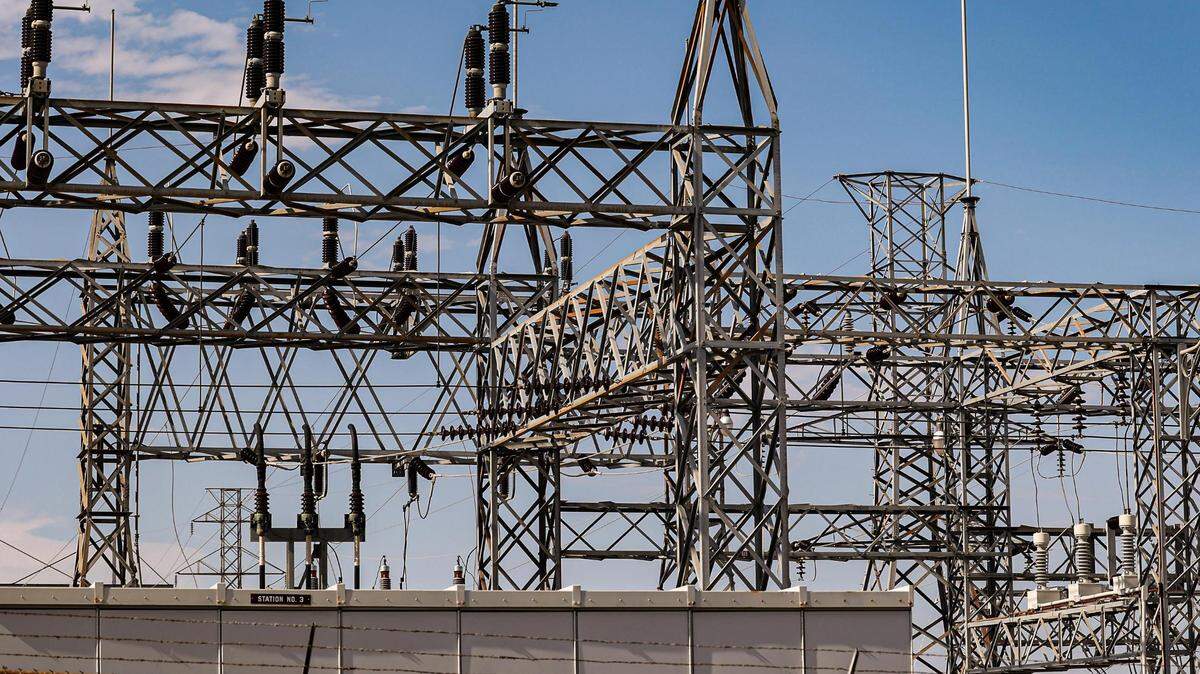
North Texans may soon see an increase in their electricity bill that’s not related to how low they are keeping their air conditioning this summer.
Oncor, the state’s largest electric transmission and distribution company, filled an intent to increase rates in all municipalities with the Public Utility Commission of Texas on June 26. This move would increase its revenue to $834 million. June 26.
Residential customers’ bill would go up approximately $7 for those using 1,000 kilowatt-hours of electricity per month. Average use in Texas is 1,146, according to the U.S. Energy Information Administration.
The proposed increases would result in a 13% increase for cities and a 12.3% increase for streetlights.
In the filing, Oncor said that while its deadline to file a rate increase was not until 2027, it needs to adjust its rates much sooner to keep up with the state’s growth.
What are North and Central Texas cities plan to address the increase?
A committee of 170 cities served by Oncor is considering a resolution to suspend the effective date of July 31, to allow it at least 90 days to study the request and to hire legal and consulting services to negotiate on behalf of all the cities in the committee.
The city of Euless and others have already passed the resolution, Keller will vote Tuesday.
A spokesperson for the City of Fort Worth, said in an email the Mayor and city council are scheduled to take action to suspend application of a proposed rate increase in accordance with state law to allow time for more through review of filing and determination of reasonable rates on Aug 12.
Why is Oncor asking for a rate increase?
Recovering storm-related costs: Oncor said in a statement that it has experienced an average of 31 major storms every year the past three years. The rate increase would help recover the costs already spent and projected damage costs in the future.
Adjusting for rising costs and inflation: It stated that current rates are based on 2021, noting that wage inflation rates reached 13% in 2024, and its insurance premiums have increased by 500% since 2021.
Helping keep debt costs low: In the statement, Oncor said that it is executing on the largest investment plan in its history to support the rapid growth in Texas and to enhance the grid reliability and capacity.
“These efforts require Oncor to attract, train and maintain the safety of a large and active workforce and obtain materials and equipment on a record scale,” said Debbie Dennis, senior vice president, chief customer officer and chief HR officer, in a statement.
Dennis said that Oncor recognizes the potential impacts of a rate increase on its customers, and it would do its best to balance these impacts with the company’s ability to continue to meet the needs of a growing state.
Molly Shortall, president of the Steering Committee of Cities Served by Oncor and Arlington city attorney, said that the next steps is to review the filing. She expects a hearing in three to four months.
Shortall said ratepayers can intervene at the Public Utility Commission of Texas or submit protest statements, which will not be formally considered by the commission.
This story was originally published July 14, 2025 at 5:00 PM.