
Spring is here in North Texas, which means wildflowers are back. Where to find bluebonnets
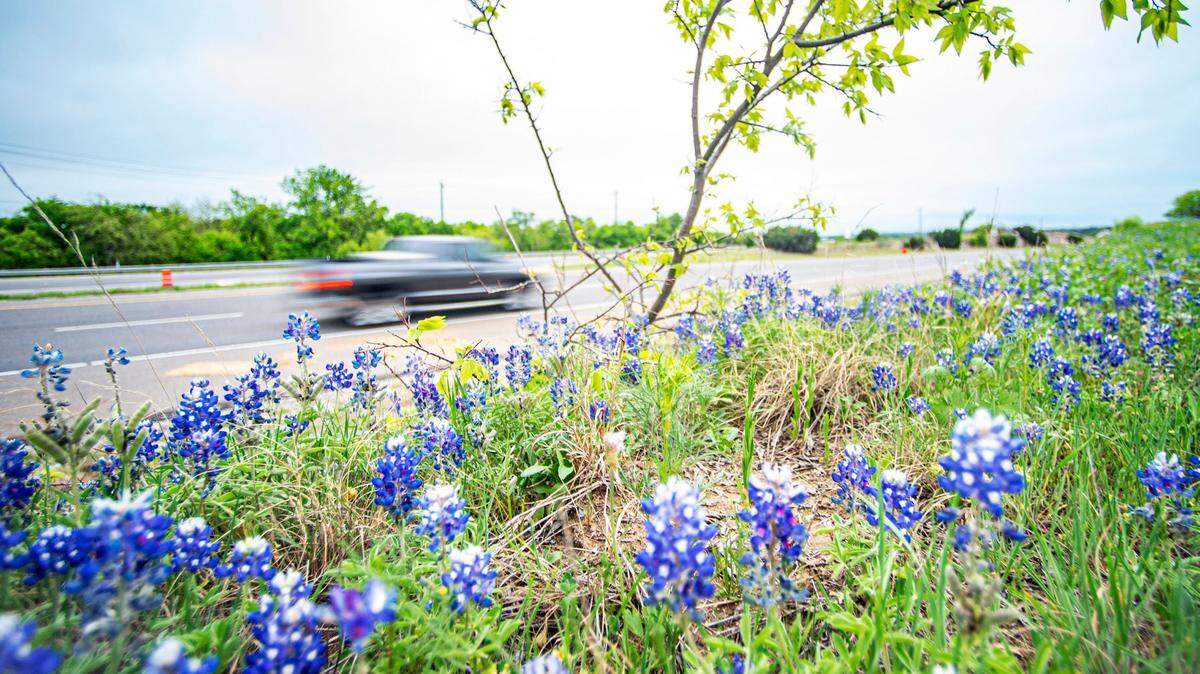
Out with the frost and in with the blooms.
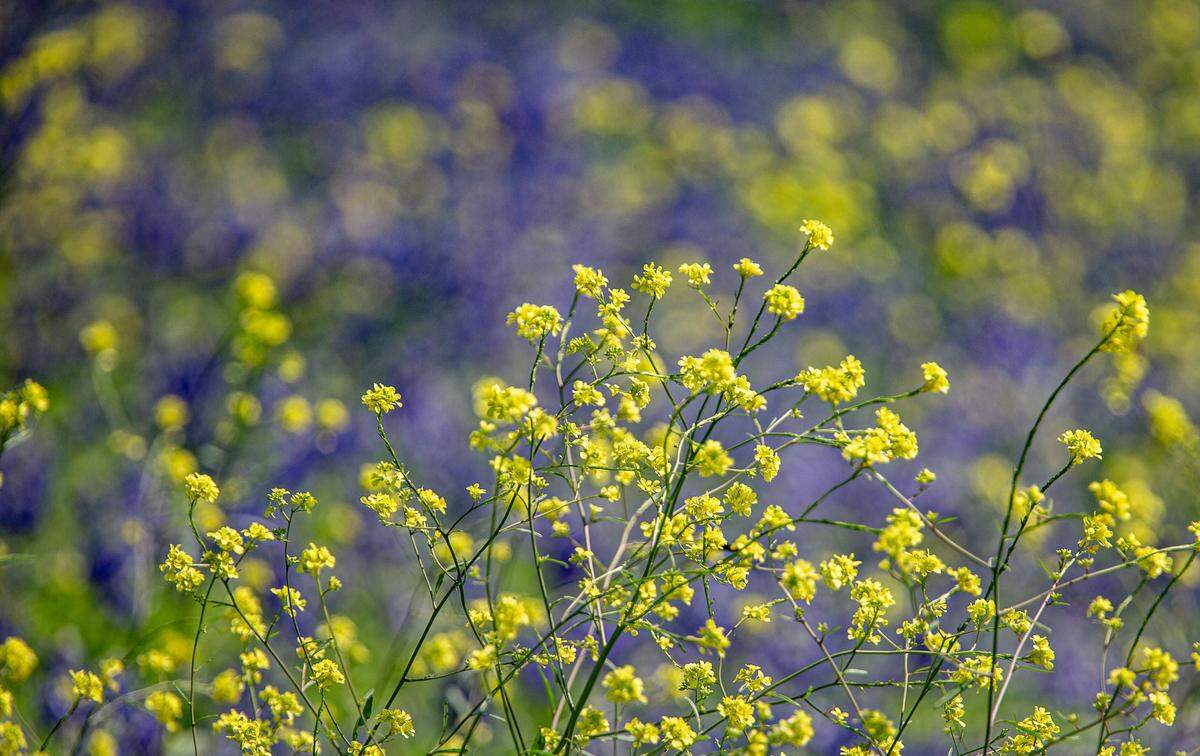
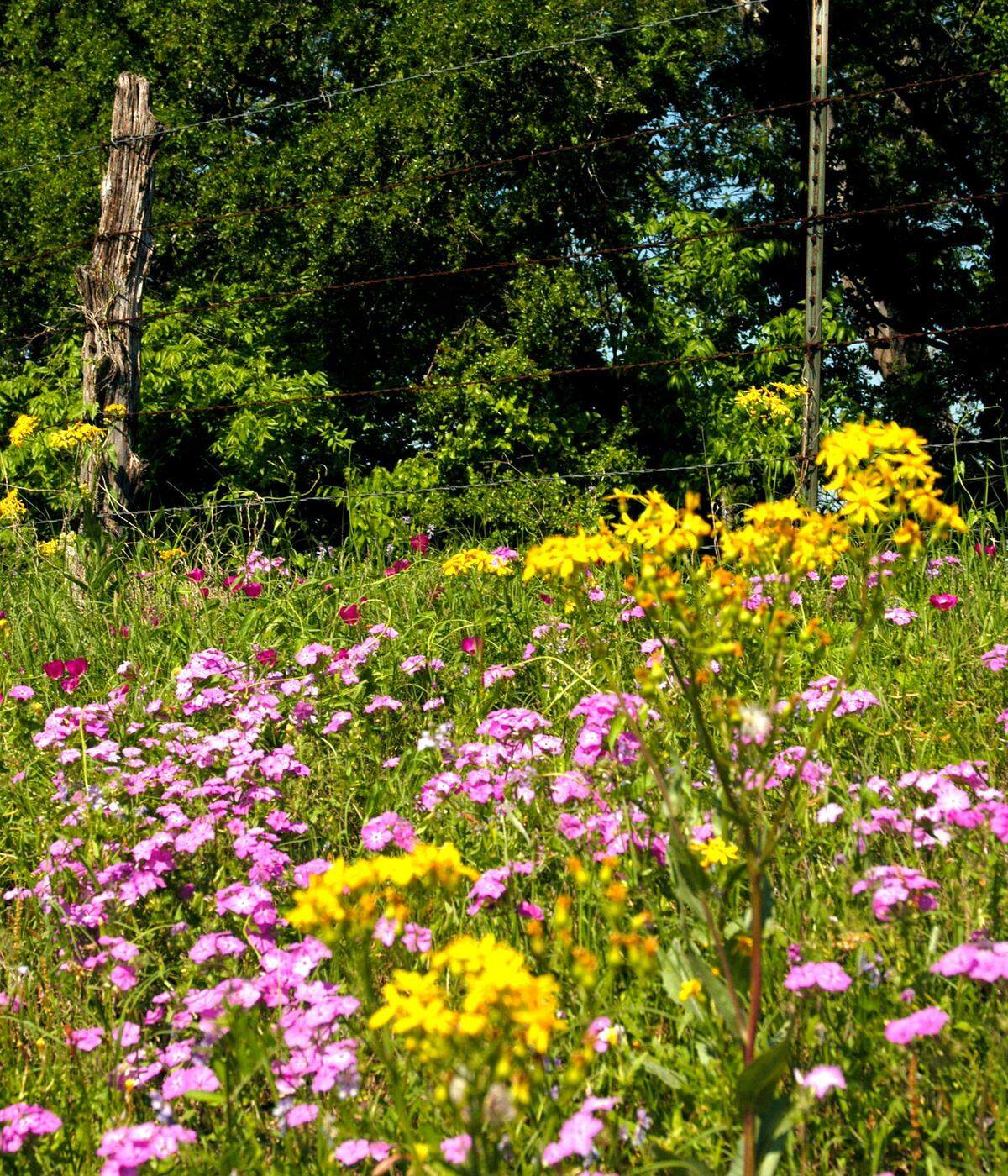
A telltale sign of a Texas spring is wildflowers. Beginning mid-March in North Texas, the sides of Interstate 30 and Interstate 35 practically become a roadside painting.
The Lady Bird Johnson Wildflower Center is predicting a later start to the busy bloom season this year due to the 2024 fall drought. Early bloomers like the popular Texas state flower, the bluebonnet, and the Texas paintbrush may not be as plentiful.
However, that just means that “later spring and summer flowers have more room to flourish,” according to the LBJ Wildflower Center. Wildflowers like the red and yellow firewheel or the purple horsemint are predicted to be abundant, especially if there is a wet spring.
The Farmers Almanac is predicting a warm and dry spring for Texas. This is not to say that wildflowers will not bloom.
“I think we’ve had enough precipitation to give them a boost and get them blooming but it’s too late in the game to germinate new seeds, which will affect the numbers of plants we have,” a news release from the LBJ Wildflower Center said. “However, eastern parts of the state are tracking to have a strong showing.”
Where can I find Texas wildflowers?
There’s no need to drive too far to see Texas wildflowers. Keep your eyes peeled because wildflowers can bloom just along North Texas highways.
But if you really want to see a burst, here are some North Texas spots that are sure to deliver a vibrant sight.
Wildflowers in North Texas:
Fort Worth Nature Center and Refuge: 9601 Fossil Ridge Road in Fort Worth. Ask staff where the best wildflower sights are.
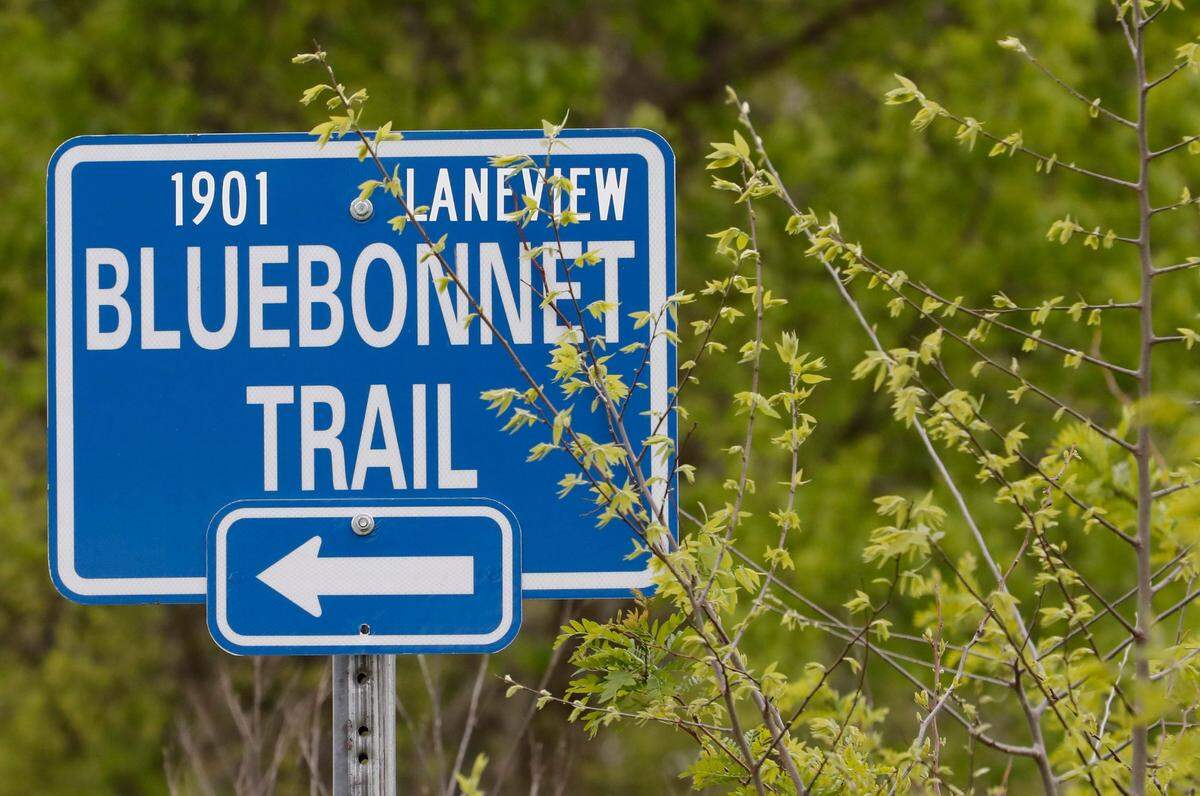
Ennis Blue Bonnet Trail: 201 NW Main in Ennis features 40 miles of mapped bluebonnet trails, with a bluebonnet festival from April 11-13.
Laura W. Bush Native Texas Park: 2943 SMU Boulevard in Dallas features bluebonnets and all kinds of seasonal wildflowers– scrambled eggs flowers, Mexican plum, honey mesquite, Texas paintbrush, clasping coneflower, green milkweed.
River Legacy Nature Center: 703 NW Green Oaks Blvd. in Arlington has redbud, red violet, Mexican plum, golden groundsel.
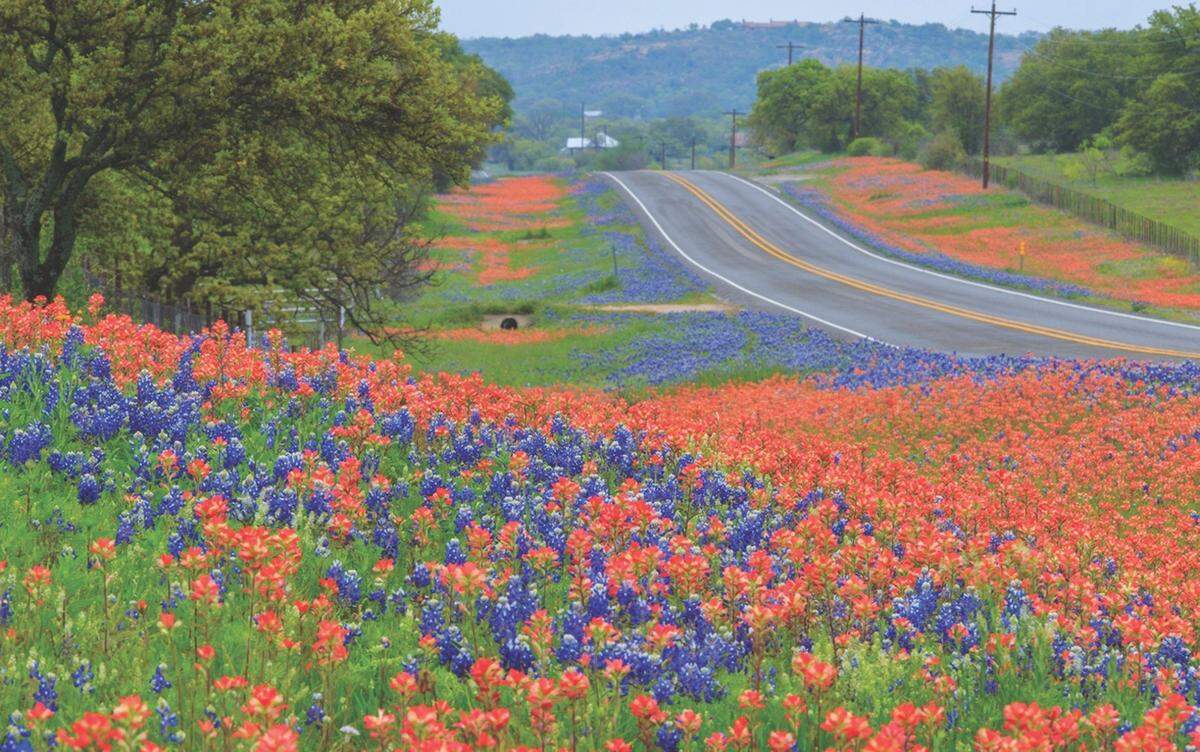
Wildflower road trip destinations in Texas:
Burnet, or the “Bluebonnet Capital of Texas”: At the intersection of Texas 29 and U.S. 281. Festival April 10 until April 13.
Kingsland: Follow a trail of the flowers from Llano to Kingsland on Texas 29, then south on Ranch Road 1431.
Marble Falls has five different routes that will make you stare in awe out your car window.
Lady Bird Johnson Wildflower Center, located at 4801 La Crosse Ave. in Austin, features 900 species of native Texas wildflowers and plants.
What wildflowers will I see in Texas?
While there are approximately 5,000 species of native plants in Texas, about 2,700 species are considered wildflowers.
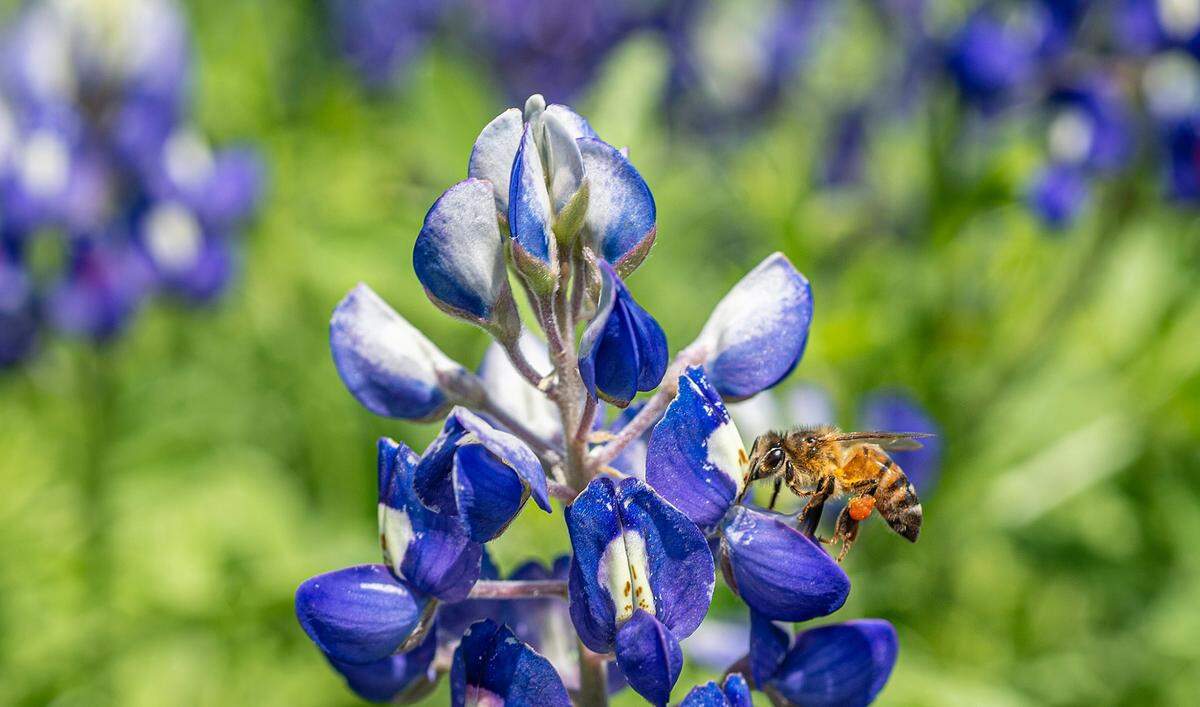
The most common is the state flower, the Texas bluebonnet. This flower decks out fields in purple. There are five different species of these flowers, all recognized as the state flower.
The LBJ Wildflower Center recognizes these 20 flowers as the “Texas Top 20”:
Texas bluebonnet: tube-shaped stem with purply-blue flower heads that cluster at the top.
Texas Indian paintbrush: red, paintbrush-shaped petals.
Firewheel: red centers with yellow outer petal edges.
Pink evening primrose: four-petaled flowers with dark pink to white ombre petals.
Horsemint: purple, tuft-like flower heads with white spikes.
Drummond phlox: cluster of pink, white or red flowers at end of stem.
Mexican hat: long, leafless stock with dropping red or yellow petals, resembling a sombrero.
Winecup: fuzzy stems with chalice-shaped maroon petals and a white center.
Black-eyed Susan: bright yellow, daisy-shaped flowers with a dark brown center.
Prairie verbena: clusters of pink, lavender, or purple flowers. It resembles hydrangeas.
Blackfoot daisy: low, round plant with flower heads of white petals surrounding a small yellow center.
Texas spiderlily: three white spikes and three white petals formed at a cluster of two to three flowers on top of stem.
White prickly poppy: cupped, white flower with golden center that turns yellow once it has died.
Rain lily: white trumpet-shaped flowers with white petals that eventually open up.
Huisache daisy: yellow daisies with an orange-yellow center. Grows in clusters, like a “yellow blanket.”
Plain coreopsis: abundant yellow flowers, “painted” maroon near the middle and a reddish-purple center.
Plains wild indigo: flowers are cream colored and pea-like with green leaves that turn gray towards the end of summer.
Engelmann daisy: Long-stalked, yellow, eight-petaled flowers that fold up under intense heat and open later in the day.
Antelope horns: hairy stems possess clumps of white flowers which contain milkweed.
Texas thistle: Purple spikes atop a two to six foot tall stem without branches and minimal leaves.