
You shouldn’t drive in reverse down a road. But is it illegal in Texas? What to know
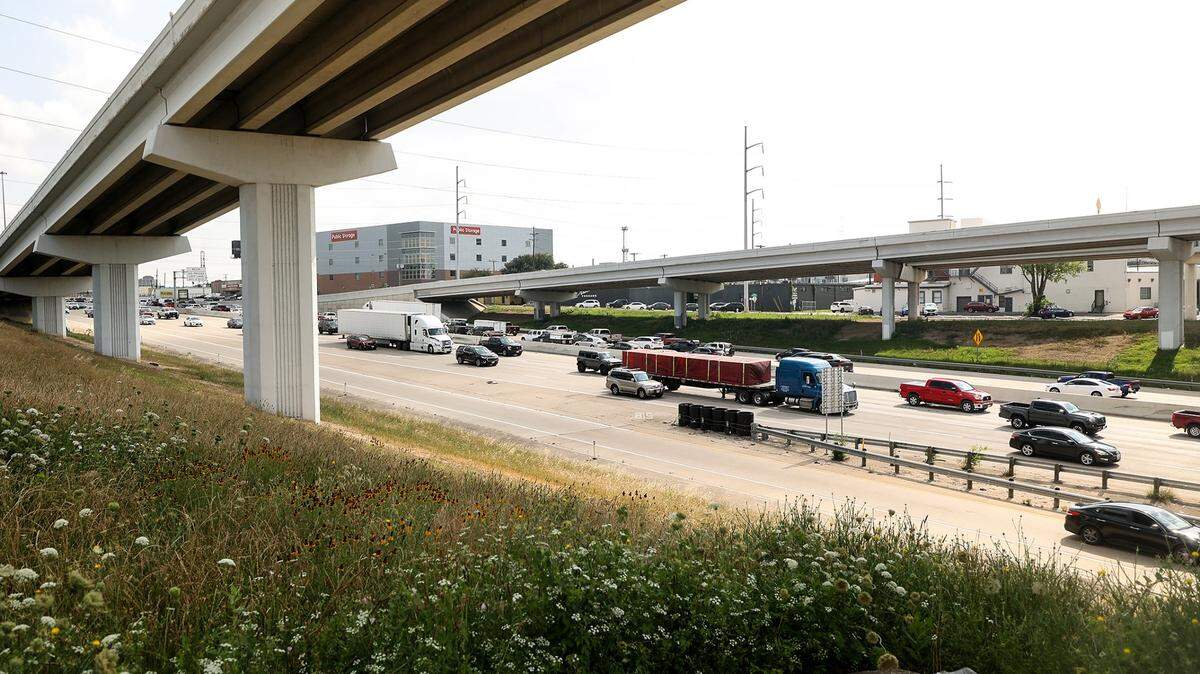
At some point, we’ve all made the mistake of missing a turn or driving too far past a destination while arriving at businesses or a home.
Many would likely try to correct the error and turn around. Others, however, simply drive in reverse until they reach where they need to go.
But how far can drivers take it? Are motorists allowed to travel in reverse for short distances? What about down a road or highway?
Let’s determine what Texas law says.
Texas laws on driving in reverse
Texas law indicates that driving backward is considered unsafe if the action cannot be performed “without interference with other traffic,” according to the Texas Transportation Code.
“An operator may not back the vehicle on a shoulder or roadway of a limited-access or controlled-access highway,” the Texas Transportation Code says.
Texas law also says that “an operator may not back the vehicle on a shoulder or roadway of a limited-access or controlled-access highway.”
“This one is straightforward. Never, ever back up on the freeway, even on the shoulder,” says the Texas Highway Man. “Besides being illegal, this is extremely dangerous. Traffic is coming toward you at high speed, and if you’re backing up, you’re essentially going the wrong way and risk the equivalent of a head-on collision.”
Drivers who commit this violation can be fined up to $200, though the state does not say how far a person can go in reverse.
The Highway Man advises that if a driver misses an exit and needs to turn around, they should drive to the next exit, turn around, and go back. “In most cases, you’ll only lose a couple of minutes. Next time, make sure you know where you’re going and pay attention to the signs.”
What if an accident occurs?
“Determining fault in a backup accident works the same as determining fault in any other accident,” according to Houston-based Stevenson and Murray law firm. “The fact that one motorist was operating their vehicle in reverse is only one piece of what might be a very complex puzzle. There are no special laws, criminal charges, or legal protections that arise as a direct result of the fact that somebody was backing up.”
If you cause an accident while driving in reverse, you could get points on your license and your insurance premiums could increase. You could also be held liable for any injuries or damage you caused, the law firm said.
However, if a driver who is backing up hits a vehicle that is illegally parked or a vehicle where the driver is speeding or distracted in some way, they may not be considered at fault, according to the firm.