
Can children stay in school with lice? What Texas policies, CDC suggests parents do
Everyone hates creepy crawlies, but what about them living on your head?
Going back to school comes with parents gearing up for COVID-19, flu season, and allergies. But also lice.
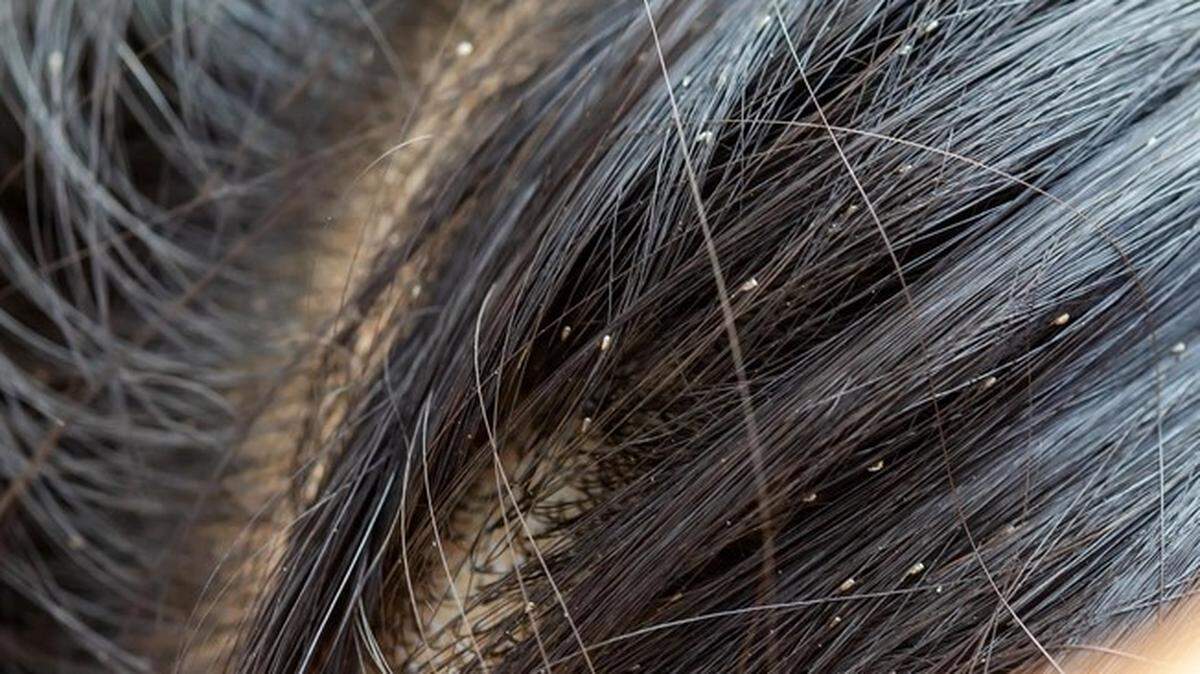
According to Texas Health and Human Services, “lice are small tan to grayish-white insects, about the size of a sesame seed and have six legs.” These creatures are not poisonous or disease-ridden but do feed on your blood for up to 30 days.
Should children with lice be sent home from school?
In Texas, state law does not address the exclusion of children in school with lice. “DSHS urges school districts to ensure that its policies and procedures do not unnecessarily cause children to miss class,” says DSHS, “School districts’ policies and procedures should not encourage the embarrassment and isolation of students who have repeated cases of head lice.”
However, the Texas Education Code does require the nurse to send a notice to all children’s families in the same classroom as the child with lice.
The CDC has recently updated its guidelines on how schools and families should handle head lice infestations. One significant change is that students with head lice no longer need to be sent home early from school. Students are now allowed to finish the school day, receive a home lice treatment and return to class as soon as the following morning.
So, while head lice is not a health threat, it’s still a hassle. Here is everything you need to know about the critters.
How to know if you or your child has head lice
There are head, body and crab lice. Texas has not seen reports of body lice for years, according to DSHS. Crabs lice is only common among adults and appears in genitalia. When it comes to being concerned about lice in school, you should only worry about your child getting head lice.
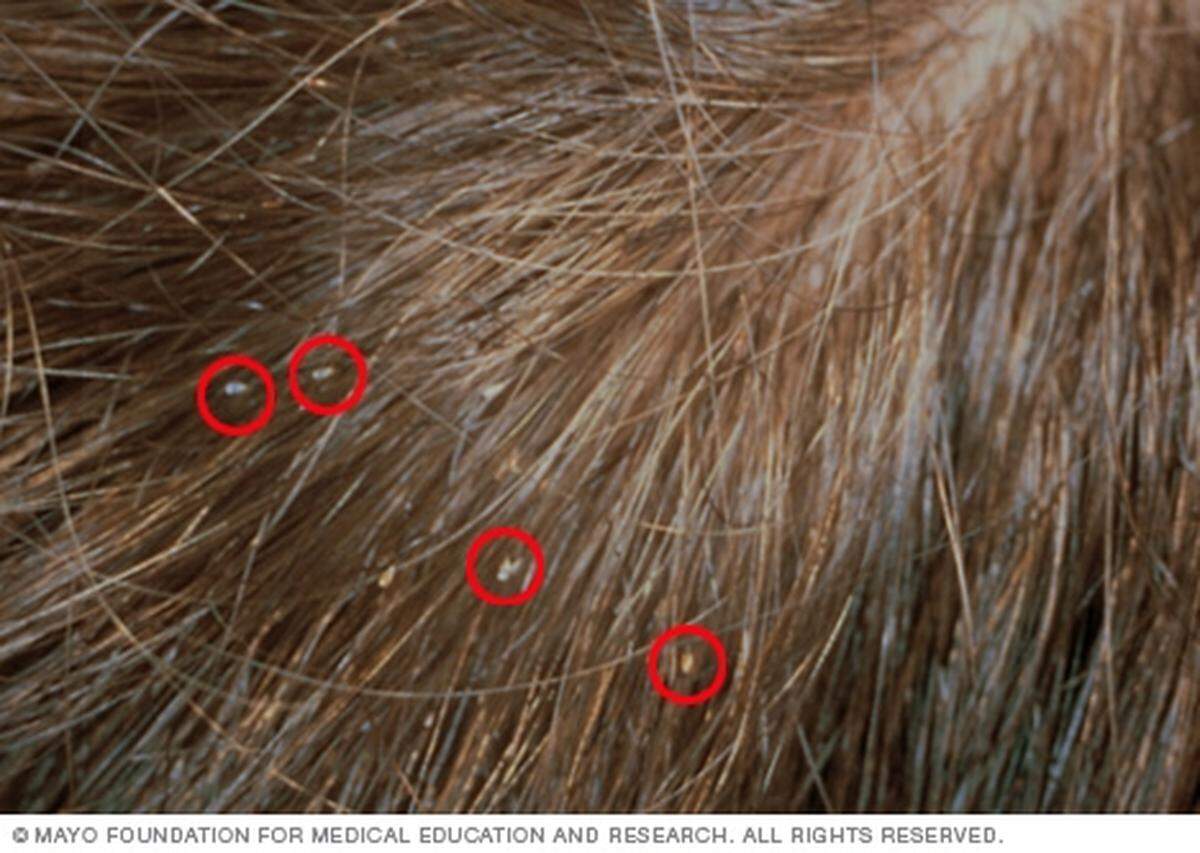
Head lice lay up to 150 eggs that are called “nits.” These are not considered to be alive so they are not as much of a threat. You may find nits before you find a louse. However, nits must be removed to ensure that lice are no longer present.
The way children get lice is through contacting other children who are infested. The tiny bugs cannot fly or jump, but they can crawl from child to child in close contact. They also can be spread by sharing hair tools or head accessories.
While there is a stigma against lice, especially among youngsters who may feel embarrassed, lice can happen to anyone. It has nothing to do with how sanitary one may be.
The most obvious sign that your child may have lice is itching. In that case, you should check your child’s head, paying attention to behind the ears and the hairline on the back of their neck.
The Centers for Disease Control and Prevention recommends, “If you find crawling lice or nits, examine all household members for head lice every 2 – 3 days.”
How to treat lice
Lice don’t just live on children’s heads. They can spread to blankets, couches, or pillows in between feedings. So, if your child has lice, you should take extra precautions to wash every fabric in your home. Note that pets do not get lice.
There are over-the-counter and prescription treatments available, though the CDC does not have any recommendations. Using a fine tooth comb or flea brush with a pediculicides medication is the most effective treatment. Tarrant County has a plethora of small businesses that also offer comb through treatments (as well as products).
It can take more than one combing treatment to remove lice. But to prevent them from coming back, you can follow these measures recommended by the CDC:
- “Do not use a combination shampoo/conditioner, or conditioner, before using lice medicine. Do not re–wash the hair for 1 – 2 days after removing the lice medicine.” according to CDC.
- Check hair and remove nits two to three days after treatment, checking for two to three weeks.
- Soak hair tools in hot water for five to 10 minutes.
- Vacuum floor and surrounding areas.
Lice treatment in Dallas-Fort Worth
According to Yelp, here are a few highly rated DFW lice businesses that treat the condition.
Christine’s Family Hair Care: 920 Roberts Cut Off Rd, Ste A, River Oaks
Lice Lifters: 101 River Oaks Dr. Ste 110, Southlake
The Royal Lice Treatment Center: 471 W Harwood Rd, Hurst
Lice Care Solutions: 1408 N Riverfront Blvd, Ste 242, Dallas
Lice Clinics DFW- North Richland Hills: 8241 Mid Cities Blvd, Ste 101, North Richland Hills